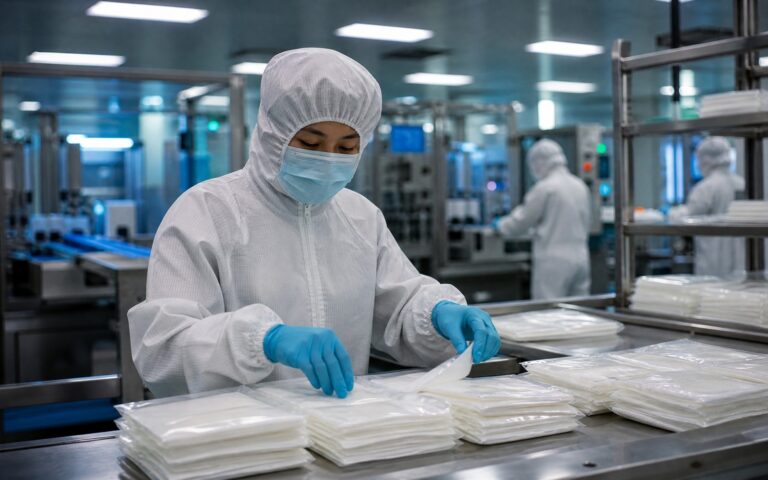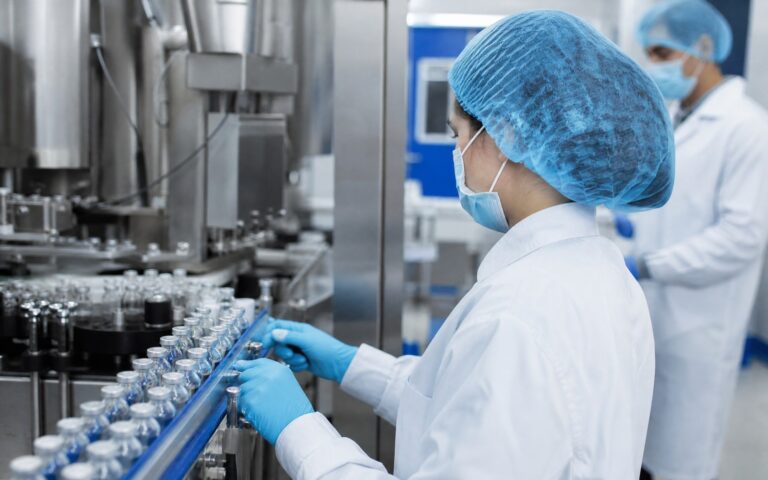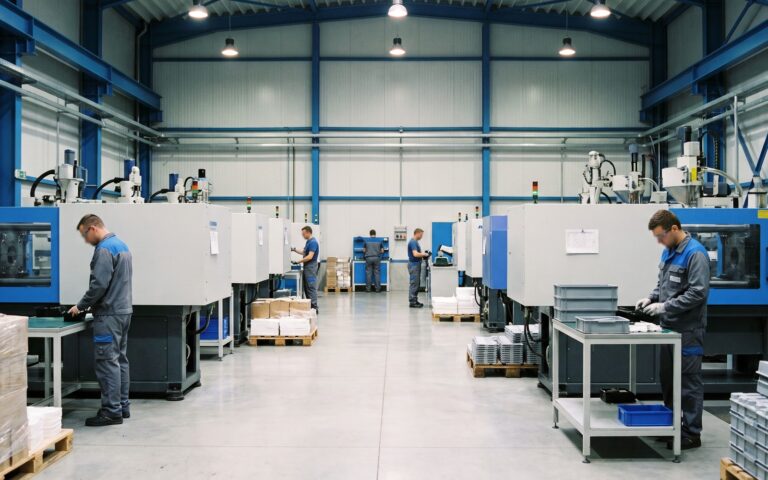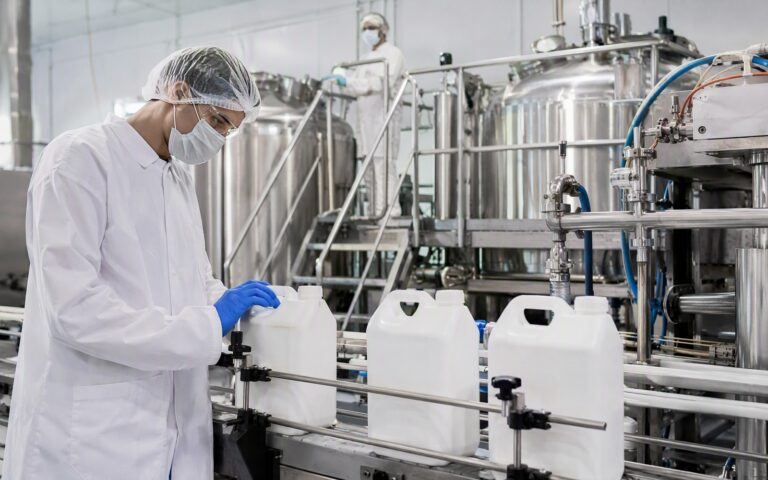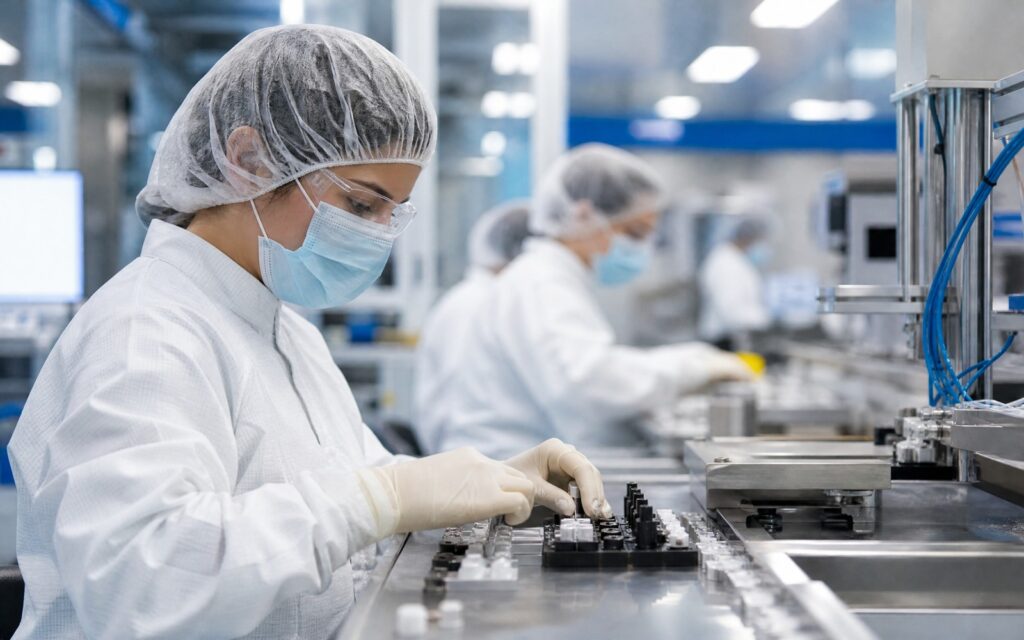
Medical device manufacturing facilities are complex structures subject to high quality standards and strict regulations. The establishment of such facilities is not limited to the physical construction of production areas; it also includes the integration of quality management systems, regulatory compliance, and validation processes. A turnkey approach encompasses all these processes, helping businesses save time and costs.
You can review the services we provide, from design to commissioning, on our Medical Products and Medical Devices page.
Sectors and Products Covered
Medical device manufacturing facilities are critical for the medical sector. These facilities cover the production of Class I and II medical devices. The product range includes devices such as surgical instruments, diagnostic kits, implants, and patient monitoring devices. Additionally, some facilities may specialize in more specific areas, such as dental equipment and rehabilitation devices.
Medical Device Manufacturing Facility Establishment Process
The establishment process of a medical device manufacturing facility involves a series of steps, each requiring careful planning. Here are the key steps of this process:
1. Needs Analysis and Feasibility Studies
Before starting any facility establishment, it is important to conduct a comprehensive needs analysis. This process involves determining factors such as the types of devices to be produced, production capacity, and target market. Feasibility studies to be conducted are critical for assessing the economic sustainability of the facility and the return on investment.
2. Design and Planning
The design phase involves planning the physical structure and internal layout of the facility to maximize the efficiency of production processes. During this phase, necessary arrangements must be made to comply with GMP (Good Manufacturing Practices) and HACCP (Hazard Analysis and Critical Control Points) standards. Additionally, the facility’s energy efficiency and environmental impacts should also be considered.
3. Construction and Infrastructure Setup
Once planning is completed, the construction process begins. At this stage, the facility’s infrastructure, production lines, and supporting systems are established. Critical components such as water purification systems, HVAC (Heating, Ventilation, and Air Conditioning) systems, and sterilization equipment are vital for the operation of the facility.
4. Equipment Selection and Installation
The selection of equipment necessary for production is a critical step in terms of quality and efficiency. Equipment must be suitable for the type of devices to be produced and must be documented for compliance with international standards. Additionally, calibration and testing processes should be meticulously carried out during the installation of the equipment.
5. Quality Management System Integration
The quality management system ensures that all operations of the facility are conducted in a compliant and effective manner. International standards such as ISO 13485 form the basis for quality management in medical device manufacturing. The integration of these systems is necessary for the continuous monitoring and improvement of production processes.
6. Regulatory and Compliance Processes
Medical device manufacturing facilities are subject to strict regulations. Therefore, a comprehensive compliance process must be conducted to ensure the facility’s compliance with national and international regulations. This process includes obtaining the necessary approvals and certifications before products are brought to market.
7. Validation and Audit Preparation
Validation involves a series of tests and inspections conducted to verify the compliance of production processes and equipment with established standards. This process is critical for preparing the facility for audits. Audit preparation includes organizing all documentation and training personnel.
Requirements and Standards
Medical device manufacturing facilities must comply with international standards and local regulations. These requirements include standards such as GMP, ISO 13485, and CE certification. Additionally, the facility must also comply with environmental management systems and occupational health and safety standards.
Cost and Time Management
The cost of establishing a medical device manufacturing facility varies depending on the size of the facility, production capacity, and technology used. CAPEX (Capital Expenditures) items include construction, equipment procurement, and infrastructure setup. Time management is also critical to ensure that the establishment process is completed within the planned timeframe.
Common Mistakes and Precautions
Common mistakes made when establishing medical device manufacturing facilities include inadequate planning, neglecting regulatory compliance, and errors in equipment selection. To avoid these mistakes, detailed planning and expert consultancy are recommended at every stage. Additionally, continuous training and audits can enhance the effectiveness of quality management systems.
Related guides: How to Establish a Contact Lens Manufacturing Factory?, How to Establish a Plastic Mold Production Factory? and How to Establish Medical Product Manufacturing Facilities?.