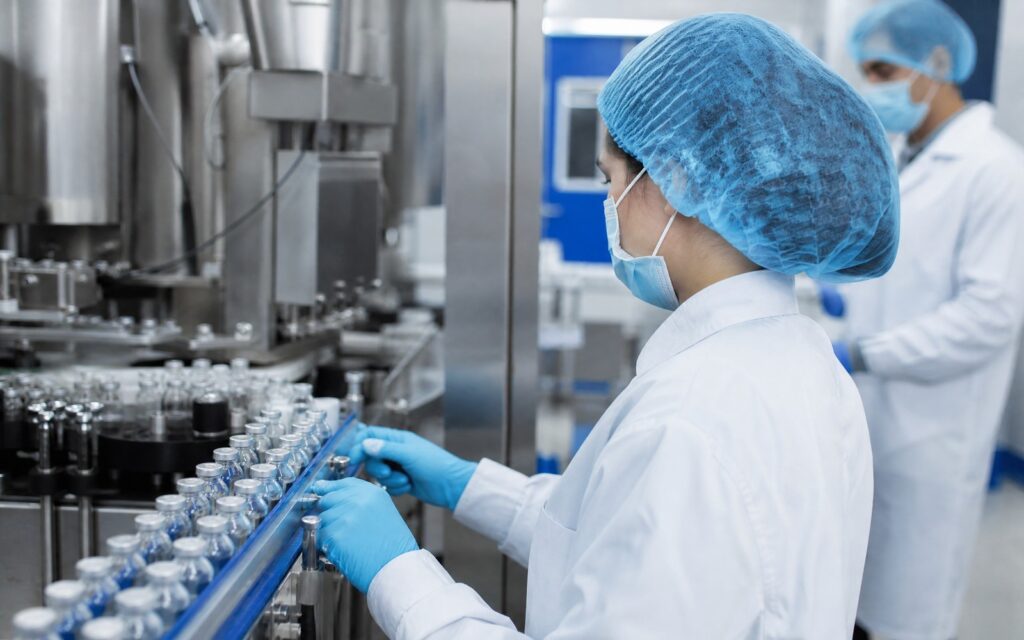
Veterinary drug manufacturing facilities are places where products critical to animal health and treatment are produced. The establishment of these facilities requires not only the creation of the physical structure but also the integration of quality management systems, ensuring regulatory compliance, and creating a structure ready for inspection. So, how are veterinary drug manufacturing facilities established? In this article, we will detail the steps and requirements of this process.
You can review the services we provide, from design to commissioning, on our Human, Veterinary and Traditional Herbal Medicine Production page.
Sectors and Products Covered
Veterinary drug manufacturing facilities provide critical infrastructure for companies operating in the animal health sector. In this context, various pharmaceutical products necessary for animal nutrition and health are produced. The products produced include various veterinary drugs such as antibiotics, antiparasitics, vaccines, vitamin and mineral premixes. Additionally, these facilities have the capacity to develop special formulations for both large and small livestock.
Establishment Process of Veterinary Drug Manufacturing Facilities
The establishment of veterinary drug manufacturing facilities requires comprehensive planning and careful execution of various stages. Here are the key steps to be followed in this process:
1. Needs Analysis and Feasibility Studies
Before starting the facility establishment, a comprehensive needs analysis must be conducted. This analysis should include elements such as the types of products to be produced, the capacity of the facility, targeted markets, and regulatory requirements. Subsequently, feasibility studies assess the economic and operational sustainability of the investment.
2. Design and Planning
After completing the feasibility studies, the design and planning of the facility are carried out. At this stage, the layout of production lines, storage areas, laboratories, and other support units is planned. International standards such as GMP (Good Manufacturing Practices) and HACCP (Hazard Analysis and Critical Control Points) should be considered in the design.
3. Permits and Regulatory Compliance
Before starting construction of the facility, all necessary permits must be obtained. These permits may include construction permits from local authorities, environmental impact assessment reports, and approvals from the Ministry of Health. Additionally, necessary documents and certificates must be obtained to ensure the compliance of the products to be produced with regulations.
4. Construction and Infrastructure Setup
After obtaining the permits, the physical construction of the facility begins. At this stage, production areas, sterilization units, laboratories, and storage areas are constructed. At the same time, necessary infrastructure systems (water, electricity, ventilation) are installed and tested.
5. Equipment Selection and Installation
The selection of equipment to be used in veterinary drug manufacturing should be made considering production capacity and product diversity. During the installation of the equipment, the application of correct calibration and validation processes is critical.
6. Quality Management System and Training
Before the facility is put into operation, an effective quality management system should be integrated. This system is necessary for the continuous monitoring and improvement of production processes. Additionally, necessary training should be provided to ensure personnel compliance with these systems.
7. Test Production and Validation
After the facility establishment is completed, test production is carried out. At this stage, the effectiveness of production processes and equipment is evaluated. Validation processes confirm the compliance of products with quality standards.
Requirements and Standards
During the establishment of veterinary drug manufacturing facilities, certain requirements and standards must be met. These requirements are critical to ensure that products are produced safely and effectively.
GMP and HACCP Standards
Good Manufacturing Practices (GMP) and Hazard Analysis and Critical Control Points (HACCP) standards are fundamental standards that must be adhered to in veterinary drug manufacturing. These standards ensure that production processes are kept under control and product quality is guaranteed.
Regulatory Compliance
Veterinary drug manufacturing facilities must comply with local and international regulations. These regulations cover the safety, efficacy, and quality control processes of products. Necessary certificates and permits should be obtained to ensure the legal compliance of the facility.
Cost and Time Management
The establishment of veterinary drug manufacturing facilities requires significant investment. Costs vary depending on the size of the facility, production capacity, and technology to be used. Therefore, detailed budgeting should be done to manage costs effectively. Additionally, time management is a critical factor to ensure the project is completed on time.
Common Mistakes and Considerations
There are common mistakes and points to consider during the establishment of veterinary drug manufacturing facilities. Here are the common mistakes encountered in this process:
- Inadequate Planning: Insufficient planning in facility establishment can lead to project delays and increased costs. Therefore, each stage should be planned in detail.
- Regulatory Violations: Ignoring regulatory requirements can lead to serious legal issues. All regulations must be carefully monitored and adhered to.
- Neglecting Quality Management System: The integration of an effective quality management system directly affects product quality. Neglecting these systems can jeopardize the reliability of products.
The establishment of veterinary drug manufacturing facilities requires careful planning and management. Taking the right steps and ensuring necessary standards in this process ensures the successful operation of the facility.
Related guides: How to Set Up Granule Production Facilities?, How to Set Up Tablet Coating Production Facilities? and How to Set Up a Tablet Manufacturing Factory?.