
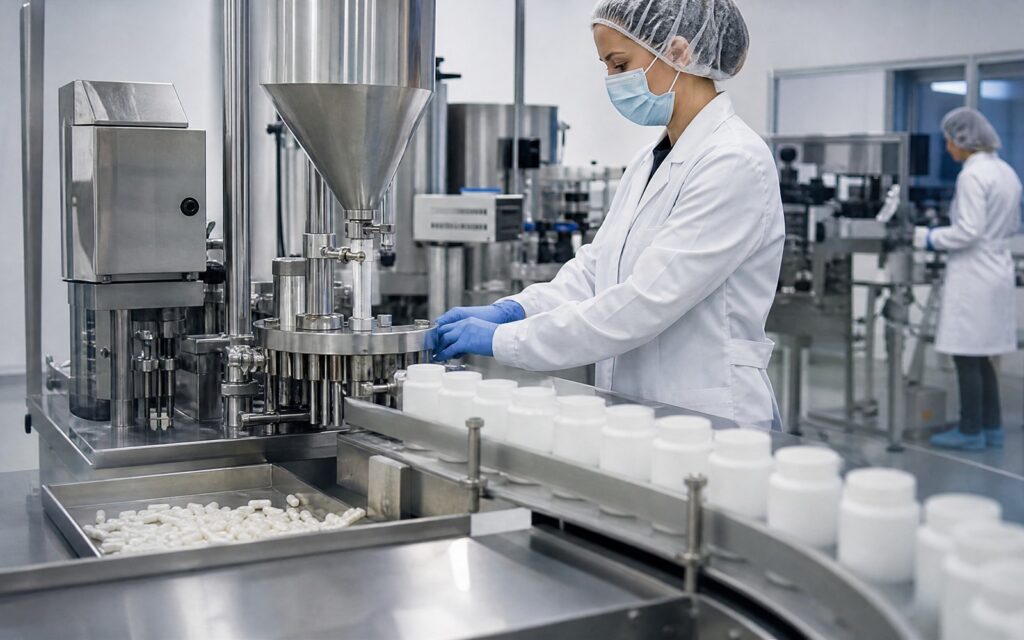
Dietary Supplements Solutions
Create safe and efficient production processes with specialized facility solutions for the dietary supplements sector. Solutions compliant with hygiene and quality standards.
Get free consulting for your Dietary Supplements project
The dietary supplements industry has gained significant momentum with the rise of healthy living trends. Companies operating in this field are seeking effective solutions to optimize their production processes and offer high-quality products. Dietary supplement manufacturers, vitamin and mineral producers, sports food companies, probiotic producers, herbal supplement manufacturers, OEM producers, health product distributors, functional food manufacturers, natural supplement makers, food supplement brands, capsule manufacturers, and powder mix producers are all part of this sector.
These companies look for specialized solutions to ensure that their production facilities meet hygiene standards, are efficient, and sustainable. The use of the right equipment and technology at every stage of the production line directly affects product quality. Additionally, compliance with regulations is of critical importance. Hence, topics such as the establishment of dietary supplement production facilities, filling lines, and the design of hygienic areas are emphasized.
For dietary supplement manufacturers, there are many factors to consider during the design and establishment of production facilities. Hygiene standards must be maintained at every stage of the production process, and product safety must be guaranteed. Moreover, the energy efficiency of the facilities and minimizing environmental impacts are essential. Installing the right MEP (mechanical, electrical and plumbing) systems and integrating HVAC (heating, ventilation and air conditioning) effectively are vital.
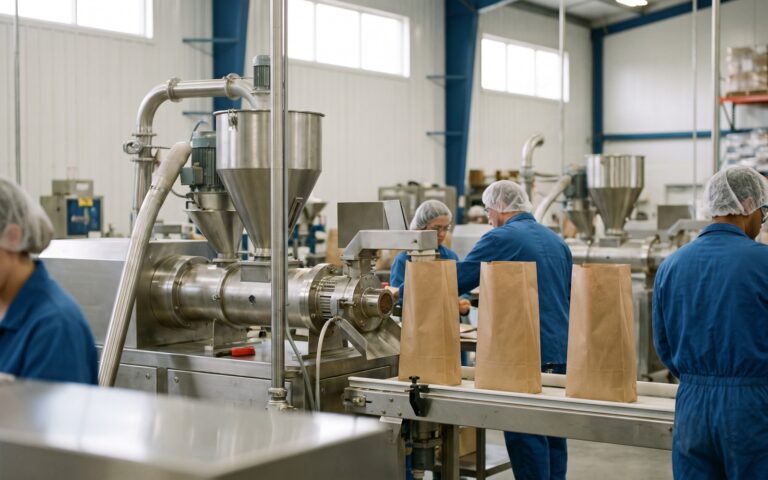
Optimization of production processes is a critical element for reducing costs and increasing efficiency in the dietary supplements sector. The automation of filling lines increases production speed while enhancing product quality. At the same time, the design and management of hygienic areas minimize the risk of product contamination. Therefore, these elements should be considered during facility design and installation.
Compliance with regulations is another important topic for companies operating in the dietary supplements sector. Production facilities must be designed and operated according to food safety standards. Additionally, all materials and equipment used during production processes must comply with international quality standards. This minimizes the risk of encountering any legal barriers when launching products to the market.
- Vitamin and mineral production line design
- Probiotic filling and packaging facility setup
- Integration of sports food production facilities
- Planning of herbal supplement production areas
- OEM producer facility modernization
- Development of functional food production lines
- Hygienic filling lines for natural supplement products
- Capacity increase for capsule production facilities
- Automation of powder mix production facilities
- Storage solutions for health product distributors
- Brand-oriented production area design for food supplement brands
- Establishment of laboratory and quality control areas
The dietary supplements sector is a field strongly tied to regulations, and therefore, production processes must be designed accordingly. Ensuring hygiene and quality standards in production facilities is a cornerstone of product safety. Furthermore, issues of environmental sustainability and energy efficiency must also be taken into account.
Example Project Scenario
The establishment process of a dietary supplement production facility usually progresses in phases and requires careful planning at each stage. For example, the process of setting up a new vitamin production line may proceed as follows:
- Market research and identification of target customer base →
- Analysis of production capacity and facility needs →
- Facility design and equipment selection →
- Regulatory compliance assessment and approval processes →
- Installation and integration of production line →
- Establishment of quality control systems →
- Production trials and optimization →
- Personnel training and development of operational processes →
- Market launch and initiation of continuous improvement processes
By offering single-source solutions, you can achieve the best results in the dietary supplements sector and increase the competitiveness of your products in the market. By getting in touch, we can determine the most suitable solutions together that meet your needs.
If you want to optimize your production processes and produce at high standards, you are at the right place. We are with you at every stage of your dietary supplement production facilities. Identify your needs, and let’s implement the most suitable solutions together.
How We Can Help
Vitamin and Mineral Production Facility Installation
Vitamin and mineral production facilities should be designed and established in accordance with hygiene standards. The project is customized to increase production capacity and enhance product quality.
Athlete Food Production Facility Integration
Athlete food production facilities are optimized for the effective production of high-protein products. The integration process increases the capacity of the production line and expands product variety.
Probiotic Filling Facility Installation
Probiotic filling facilities are designed to safely package sensitive products. The project maintains the highest levels of filling speed and hygiene standards.
Plant-Based Supplement Production Area Planning
Plant-based supplement production areas are planned for the effective processing of natural products. The design process aims to enhance product quality and production efficiency.
Development of Functional Food Production Line
Functional food production lines are developed to produce special dietary supplements. The project reduces costs and improves quality by optimizing production processes.
Capsule Production Facility Capacity Increase
Capsule production facilities are modernized to increase production capacity and improve product quality. The project is supported by automation systems.
Powder Mixture Production Facility Automation
Powder mixture production facilities increase efficiency through the automation of production processes. The project optimizes filling speed and product quality.
Hygienic Filling Lines for Natural Supplement Products
Filling lines for natural supplement products are designed and established according to hygiene standards. The project aims to enhance product safety and quality.
OEM Manufacturer Facility Modernization
OEM manufacturer facilities increase their production capacities and optimize their processes through modernization efforts. The project includes the integration of new technologies.
Health Product Storage Solutions
Storage solutions for health products are designed to ensure product safety and effective inventory management. The project aims to optimize storage areas.
Laboratory and Quality Control Area Establishment
Laboratory and quality control areas are established to ensure the safety and quality of products. The project is equipped with infrastructure and equipment that comply with international standards.
Which of these solutions fits your Dietary Supplements project?
Get a free initial assessment and we'll identify the right solution for your project. We reply within 24 hours.
Frequently Asked Questions
What is the installation time for a dietary supplement production facility?
The installation time for dietary supplement production facilities varies depending on the scope of the project and the size of the facility. It typically takes between 6 to 12 months.
How much does the facility installation cost?
Facility installation costs vary based on the equipment used, technology, and the size of the facility. It is recommended to conduct a detailed cost analysis on a project basis.
How are regulations met?
Regulations are addressed by considering them in facility design and equipment selection. Facilities are designed and operated in accordance with national and international standards.
How can I optimize production processes?
Production processes can be optimized by integrating automation systems and regularly analyzing and improving processes. Consulting services can yield the best results.
How are hygiene standards maintained?
Hygiene standards are ensured by considering the design of production areas and the selection of materials used. In addition, ongoing staff training and regular inspections maintain these standards.
How can I start the facility installation?
To start the facility installation, a needs analysis should be conducted first, followed by the creation of a project plan. Then, the design and equipment selection phase can begin.
How can I modernize my existing facility?
Modernization of existing facilities is achieved through the integration of new technologies and the restructuring of processes. The addition of automation systems is recommended during this process.
What equipment is used in facility installation?
Various equipment such as filling machines, mixers, sterilization equipment, and automation systems suitable for the production process are used in facility installation.
What quality control measures are taken in dietary supplement production?
Quality control measures include raw material and final product testing, monitoring of production processes, and regular inspections. These measures aim to ensure product safety and quality.
Request a Quote for Your Project
Our experts are ready to design a solution around your requirements.
Contact Get in Touch Our projects →Related Services
Related Guides
Guides on setup, costs and regulations
-
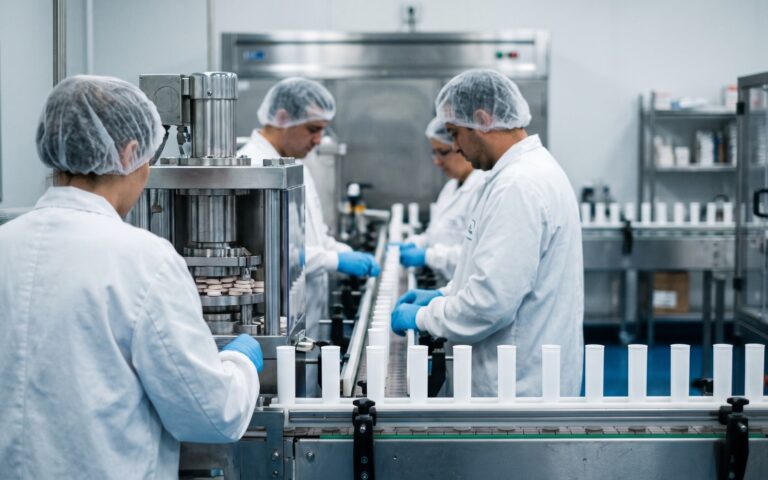 How to Set Up a Supplement Production Facility for Energy?
A comprehensive guide on the setup process, requirements, costs, and common mistakes for establishing a supplement production facility…
Read more
-
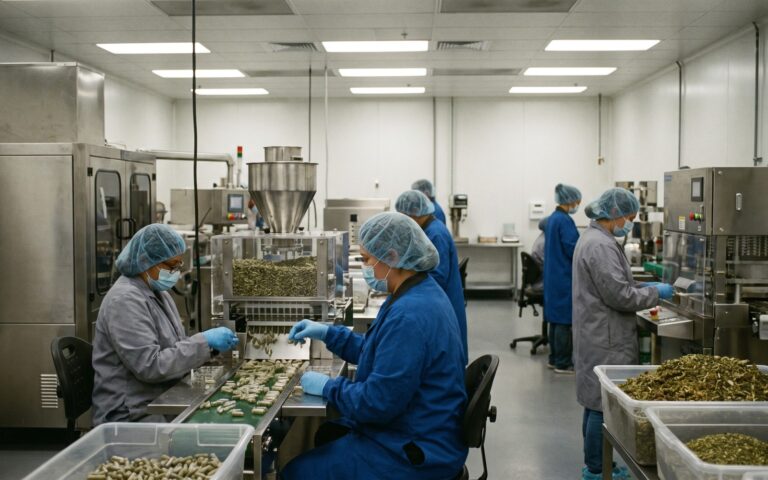 How to Establish a Herbal Supplement Production Factory?
Get detailed information about the establishment processes, requirements, and costs of a herbal supplement production factory.
Read more
-
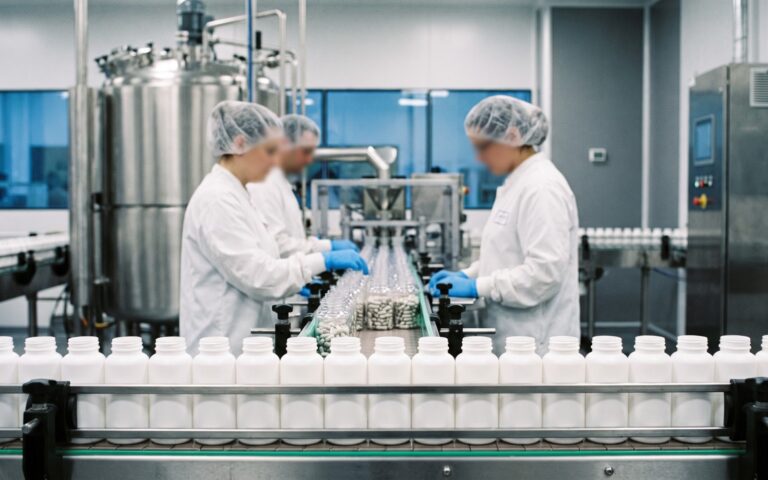 How to Establish a Food Supplement Production Factory?
A comprehensive guide on the processes, requirements, and costs of establishing a food supplement production factory.
Read more
-
 How to Set Up a Pet Food Production Factory?
We address the setup of a pet food production factory step by step, examining quality control and regulatory…
Read more