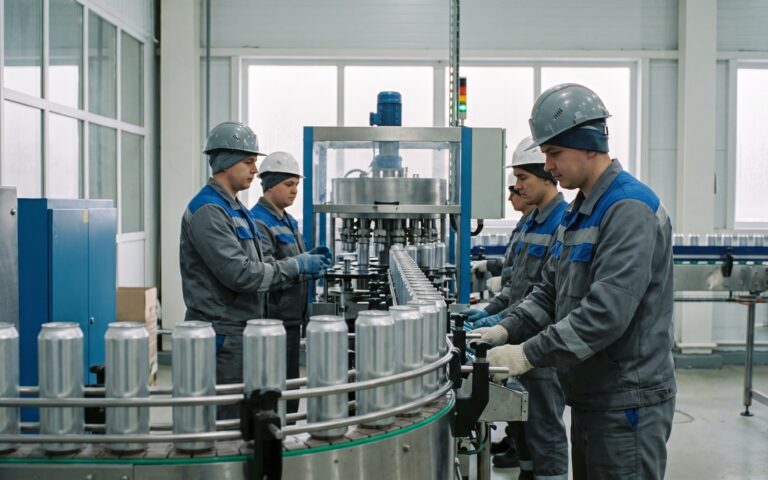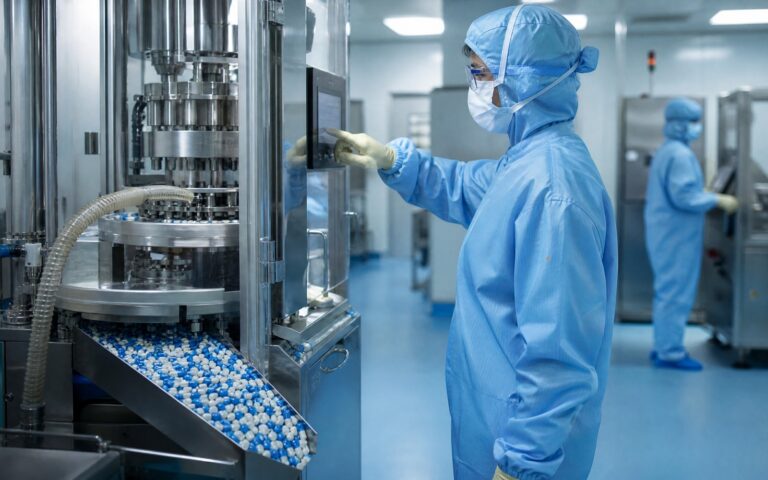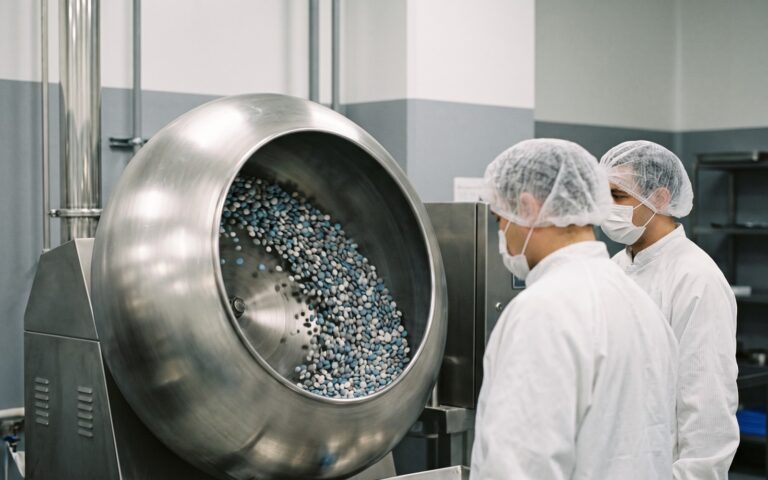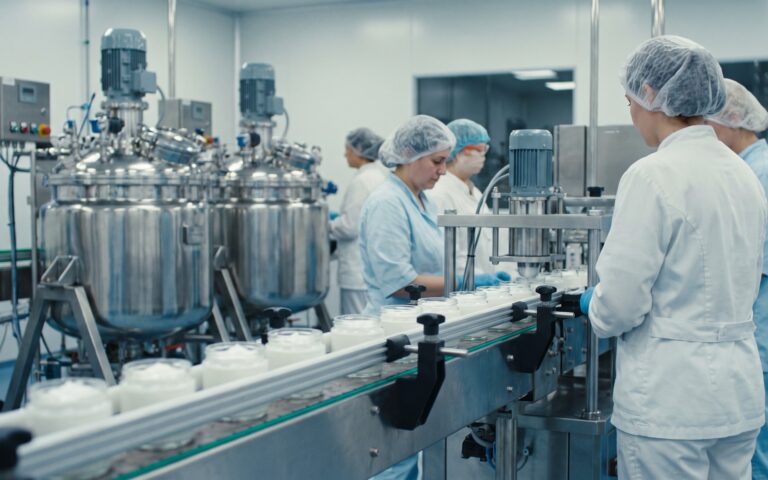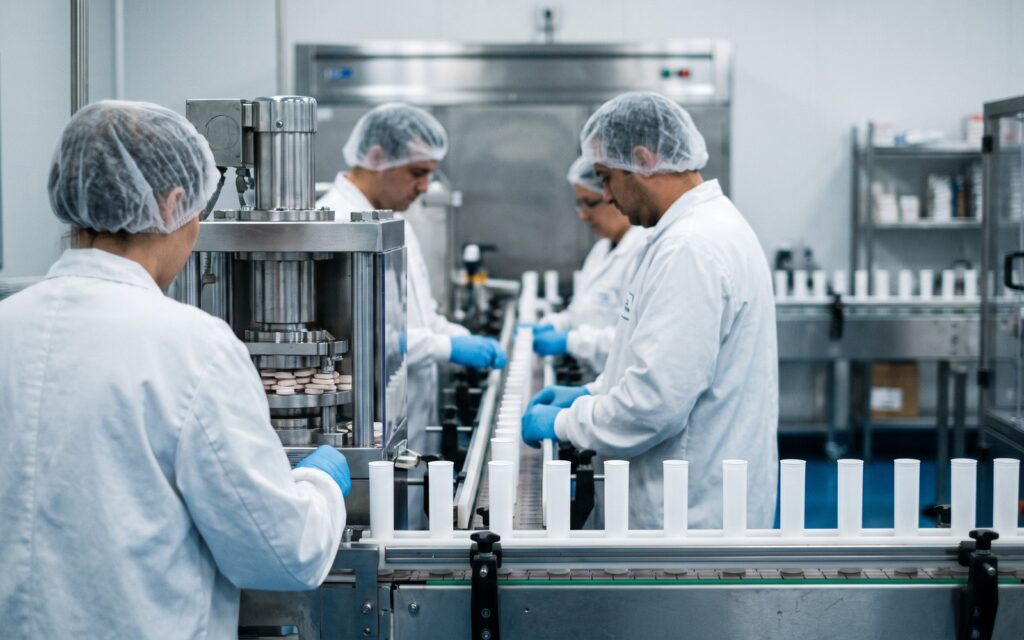
Energy supplements are frequently preferred products to meet energy needs in a fast-paced lifestyle. The production of these products requires compliance with high-quality standards and strict regulations. Turnkey production facilities offer an ideal solution for specialized products like energy supplements. In this guide, we will detail how to establish a supplement production facility for energy, the processes, requirements, and points to consider.
You can review the services we provide, from design to commissioning, on our Nutritional Supplement Production page.
Sectors and Products Covered
The supplement food sector, especially energy supplements, is a significant application area for turnkey production facilities. The sectors included are:
- Supplement food sector
- Functional food sector
- Health and nutrition sector
- Food supplement sector
Product forms generally include:
- Energy bars
- Energy powders
- Energy drinks
- Energy supplements in capsule and tablet form
- Gummy vitamins
- Soft gel capsules
Setup Process of Energy Supplement Production Facility
The setup process of an energy supplement production facility requires careful planning and implementation. Here are the main steps of this process:
1. Needs Analysis and Planning
The first step is to design a facility suitable for production capacity, product variety, and target market. At this stage, details such as which products will be produced, production capacity, and the size of the facility should be clarified. Additionally, details and expectations regarding Turnkey Production Facilities services should be considered.
2. Site Selection and Feasibility Studies
The selection of the site where the facility will be established is important in terms of logistical advantages and costs. Infrastructure, ease of transportation, and local regulations should be taken into account in site selection. Feasibility studies assess the economic and technical viability of the project. At this stage, the environmental impacts of the facility and sustainability criteria should also be considered.
3. Design and Engineering
In this phase, the facility’s design is created, and engineering calculations are performed. The layout of the production line, selection of machinery and equipment are determined at this stage. Additionally, compliance with standards such as GMP (Good Manufacturing Practices) and HACCP (Hazard Analysis and Critical Control Points) must be ensured. During the design phase, factors such as the efficiency of production processes and energy consumption should also be taken into account.
4. Construction and Installation
Following the design and engineering phase, the construction of the facility and installation of equipment are carried out. During this process, construction quality, safety standards, and timely delivery are crucial. All infrastructure systems of the facility, such as energy, water, and waste management, are also completed at this stage. During installation, the correct assembly and testing of equipment are critical to ensure the smooth operation of the production line.
5. Qualification and Validation
Before the facility becomes operational, qualification and validation processes are implemented to verify that all systems and equipment operate in accordance with established standards. This step guarantees the reliability and quality of the production process. Qualification and validation processes provide quality control at every stage of the production line and prevent potential errors.
Requirements and Standards
Energy supplement production facilities must comply with health and safety standards, particularly. These requirements include:
- Compliance with GMP and HACCP
- ISO 22000 and other quality management systems
- Compliance with local and international regulations
- Environmental sustainability and waste management
- Employee safety and occupational health standards
These standards are critical to ensuring quality and safety at every stage of the production process. Additionally, minimizing environmental impacts and adopting sustainable production methods are necessary in energy supplement production facilities.
Cost and Time Management
The cost of an energy supplement production facility varies depending on many factors. These factors include the size of the facility, production capacity, technology used, and equipment. Additionally, the balance between CAPEX (Capital Expenditures) and OPEX (Operating Expenses) must be well managed. The completion time of the project typically ranges from 12 to 24 months, but this period may extend depending on the complexity and scale of the project. In cost management, budget control and accurate cost forecasting are essential for the financial success of the project.
Common Mistakes and Points to Consider
Common mistakes made during the establishment of energy supplement production facilities can be costly and time-consuming. These mistakes include:
- Not conducting a comprehensive needs analysis
- Ignoring logistics and infrastructure in site selection
- Neglecting compliance with regulations and standards
- Insufficient budget planning and control
- Overlooking qualification and validation processes
- Failing to consider environmental impacts and sustainability criteria
To avoid these mistakes, careful planning at every stage and utilizing expert consultancy services is important. Additionally, effective implementation of continuous improvement and quality control processes is necessary during the establishment of energy supplement production facilities.
Related guides: How to Set Up a Capsule Production Line?, How to Set Up a Soft Gel Production Factory? and How to Set Up Capsule Filling Production Facilities?.