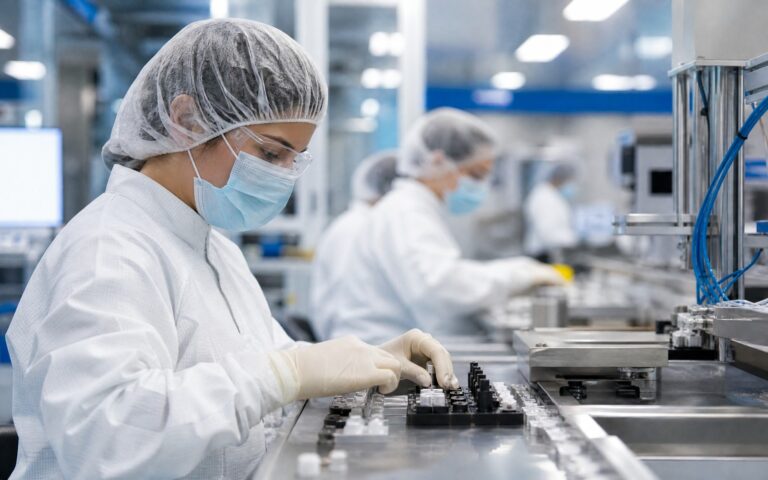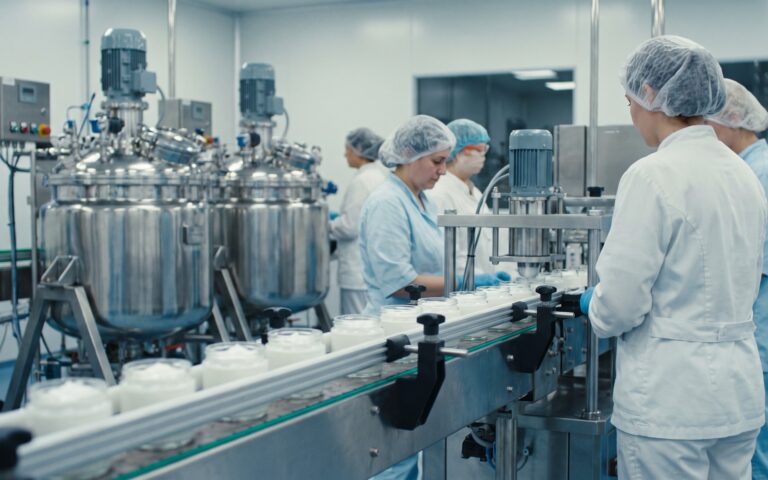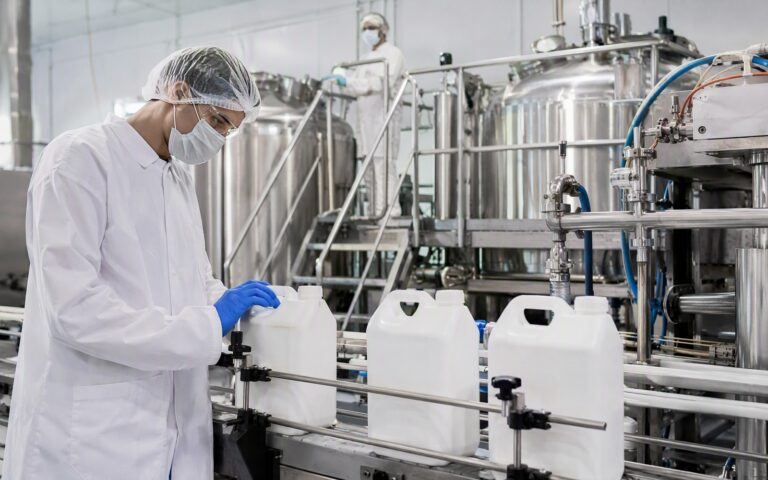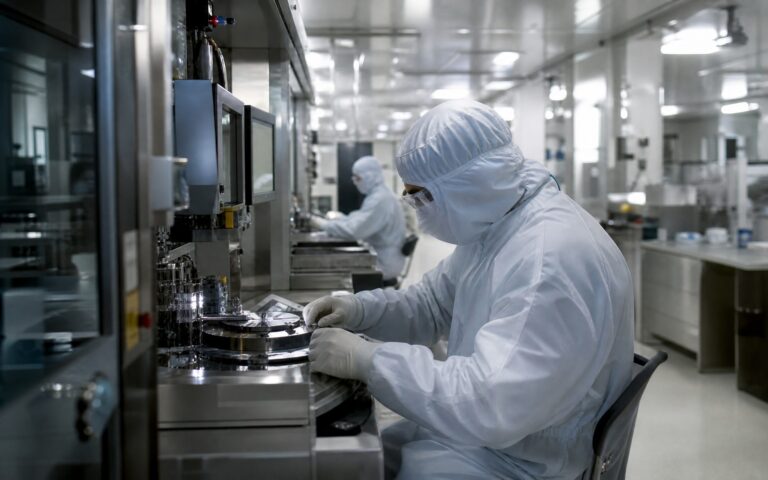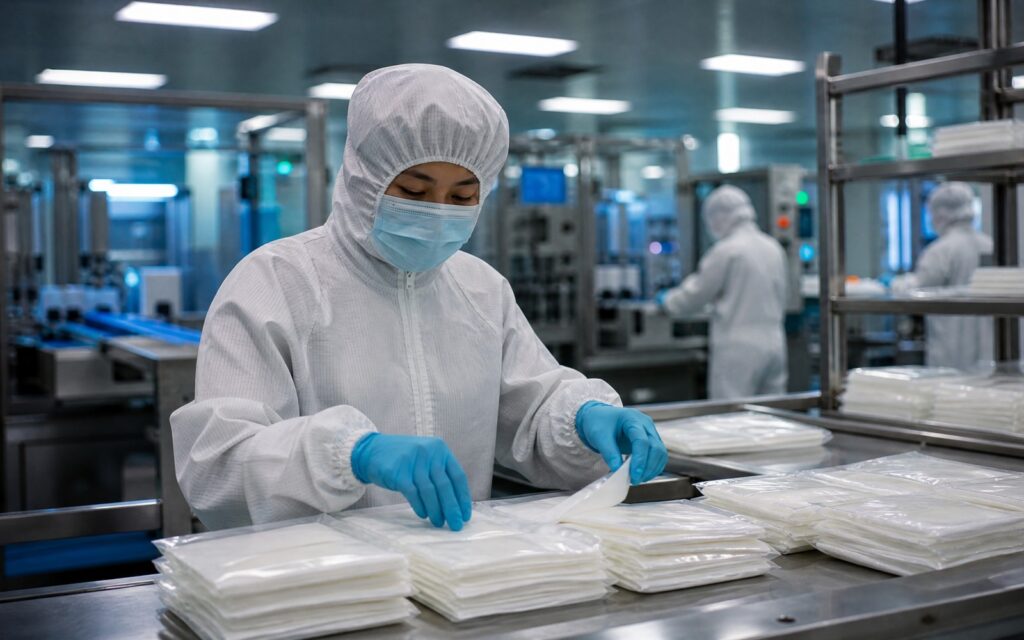
Medical product manufacturing facilities stand out as complex structures that require high precision and quality standards. The establishment of these facilities is not limited to the construction of physical structures; it also includes the creation of quality management systems, regulatory compliance, and audit-ready structures. This guide will comprehensively address the necessary processes, standards, and considerations for the turnkey establishment of medical product manufacturing facilities.
Sectors and Products Covered
Medical product manufacturing facilities cater to a wide range of sectors. The main sectors include:
- Pharmaceutical products
- Medical devices (Class I & II)
- Veterinary medicines
- Traditional herbal medicines
- Aromatherapy products
- Biosidal products
The main product forms produced in these facilities include:
- Tablets and capsules
- Liquid solutions and syrups
- Creams and ointments
- Powder formulations
- Wound dressings and bandages
Process and Steps
The establishment of medical product manufacturing facilities involves a series of complex steps. These steps encompass everything from the design of the facility to construction, equipment procurement, the establishment of a quality management system, and ultimately validation processes.
Facility Design
The facility design is shaped according to production capacity and product diversity. During the design process, compliance with GMP and other international standards must be ensured. The internal layout of the facility should be planned to optimize production flow.
Construction and Infrastructure
The construction phase involves the creation of the physical structure of the facility. In this phase, critical infrastructure elements such as clean room areas, HVAC systems, and sterilization equipment are built, taking hygienic design principles into account.
Equipment Procurement and Installation
The selection and installation of the necessary equipment for production directly affect the efficiency of the facility and product quality. When selecting equipment, production capacity, product diversity, and technological innovations are taken into consideration.
Quality Management System and Regulatory Compliance
To enable the facility to become operational, a quality management system must be established under a Turnkey Manufacturing Facility. This system must be fully compliant with GMP and other international regulations. The quality management system ensures quality at every stage of the production processes.
Qualification and Validation
Qualification and validation processes are carried out to demonstrate that the facility and equipment operate in accordance with the established standards. These processes are critical for preparing the facility for audits.
Requirements and Standards
During the establishment of medical product manufacturing facilities, compliance with many national and international standards and regulations is required. These include GMP, ISO 13485, and FDA standards. These standards are essential for ensuring quality and safety at every stage of the production processes.
Cost and Duration
The cost of establishing medical product manufacturing facilities can vary depending on many factors. The size of the facility, production capacity, technology used, and equipment are among these factors. Additionally, investments required for regulatory compliance can also affect costs. The completion time for the project typically ranges from 12 to 24 months.
Common Mistakes
One of the common mistakes encountered in the establishment of medical product manufacturing facilities is insufficient consideration of regulatory requirements. Especially when GMP compliance is not achieved, additional costs and delays may occur for the facility to become operational. Furthermore, mistakes made during equipment selection and layout planning can negatively impact production efficiency.
Medical product manufacturing facility: step-by-step production process
The steps below summarise the typical workflow we follow in medical product manufacturing facility projects. In every project the sequence is adapted to the product portfolio and the capacity target.
- Product classification: the device class (I, IIa, IIb, III) is determined; this decision directly shapes the facility, documentation and approval route.
- Design and development controls: product requirements, risk management (ISO 14971) and verification plans are prepared.
- Sourcing of materials and components: supplier approval and incoming inspection are set up.
- Manufacturing processes: depending on the product, moulding, cutting, assembly, welding or bonding, performed in a cleanroom where needed.
- Packaging: for sterile products the sterile barrier system and packaging validation are planned.
- Sterilisation (where required): ethylene oxide, steam or radiation is selected per product, often with a qualified service provider.
- Final inspection, labelling including UDI, and traceable dispatch.
Key equipment and systems
Equipment is selected according to the formulation, target capacity, level of automation and cleaning validation requirements. A typical facility includes the following main groups:
- Plastic injection, extrusion or cutting and assembly equipment, depending on the product
- Cleanroom classified to ISO 14644 with HVAC
- Ultrasonic welding, bonding and assembly stations
- Blister/pouch packaging and sealing machines
- Leak and seal strength testers
- Quality control and metrology laboratory
- Labelling and UDI coding systems
GMP and regulatory notes
In Europe the core framework is the Medical Device Regulation (MDR, EU 2017/745). The manufacturer must establish an ISO 13485-based quality management system, prepare technical documentation and, for devices above class I, undergo notified body assessment to affix the CE mark. Registration in the relevant national databases and EUDAMED, as well as UDI requirements, should be built into the facility’s processes from the outset. FDA 21 CFR Part 820 applies if you target the US market.
How is the project timeline planned?
Installation time depends on variables such as whether the building is ready, lead times for imported equipment, cleanroom requirements and the workload of licensing authorities. Rather than quoting a fixed duration, we split the project into clear phases and define the deliverable of each one:
- Feasibility and definition of the product portfolio
- Concept and detailed engineering (layout, personnel and material flows, HVAC and process water)
- Equipment procurement and construction works
- Installation, commissioning and qualification (DQ, IQ, OQ, PQ)
- Process validation, documentation and licensing
- Staff training and transition to commercial production
When work that can run in parallel (for example equipment orders and construction) is planned correctly, the overall schedule shortens noticeably. The critical path is usually long-lead equipment and official approvals.
Factors that drive the cost
Every investment budget is different; the items below have the greatest impact on total cost:
- Device class and the related verification and approval scope
- Need for and class of cleanroom
- Moulds and dedicated equipment
- Whether sterilisation is done in-house or outsourced
- Quality management system and technical documentation work
- Packaging and process validations
At Envora we quantify these items for your specific project during the feasibility stage and also evaluate options for phasing the investment.
Frequently Asked Questions
Does every medical product need a cleanroom?
No. The need depends on the intended use, whether the product is supplied sterile and the contamination risk. Sterile products or those in direct contact with the body generally require classified areas.
Is ISO 13485 the same as the CE mark?
No. ISO 13485 is a quality management system standard, while the CE mark shows the product meets MDR requirements. An ISO 13485-compliant system is a key part of the CE route.
Does Envora offer turnkey installation?
Yes. We can manage the entire process under one contract, from feasibility, concept and detailed engineering to equipment supply, installation, qualification and staff training. Consulting-only or engineering-only packages are also available.
Can an existing building be converted into a production facility?
In most cases it can. We assess ceiling height, floor load capacity, utilities and the space available for personnel and material flows on site, and then decide together whether refurbishment or a new building is the better option.
Contact our team to have your project assessed and to receive a roadmap tailored to you. You can find the details of our scope on the Medical Products and Medical Devices page.
Related guides: How to Establish Medical Device Manufacturing Facilities?, How to Establish a Contact Lens Manufacturing Factory? and How to Establish a Plastic Mold Production Factory?.