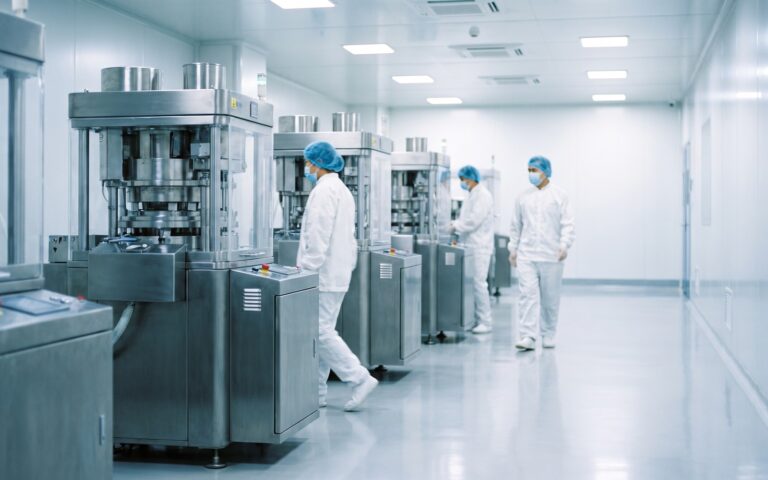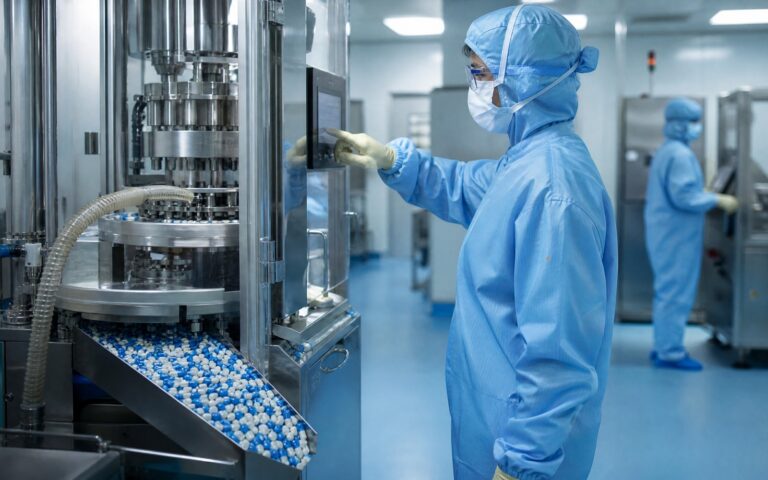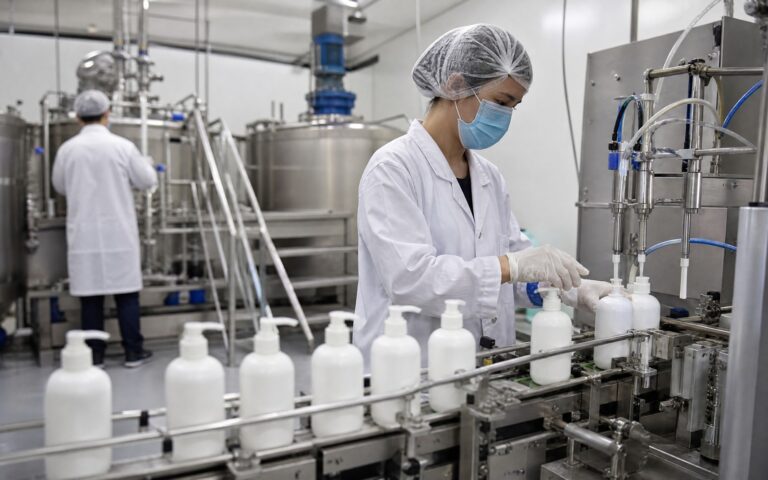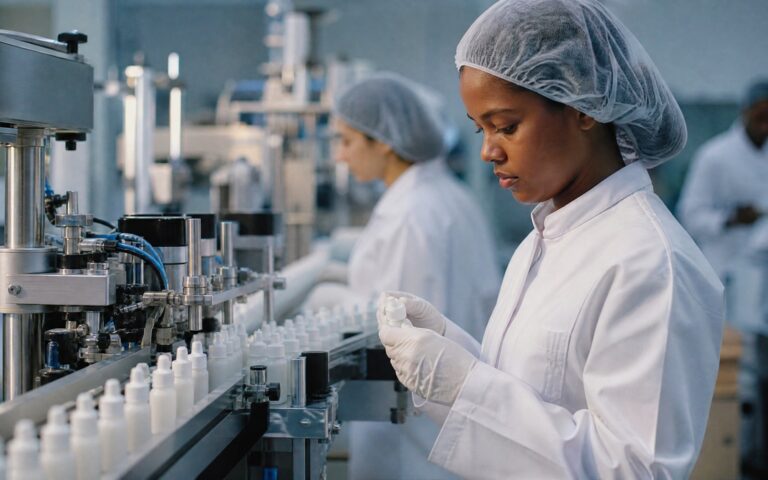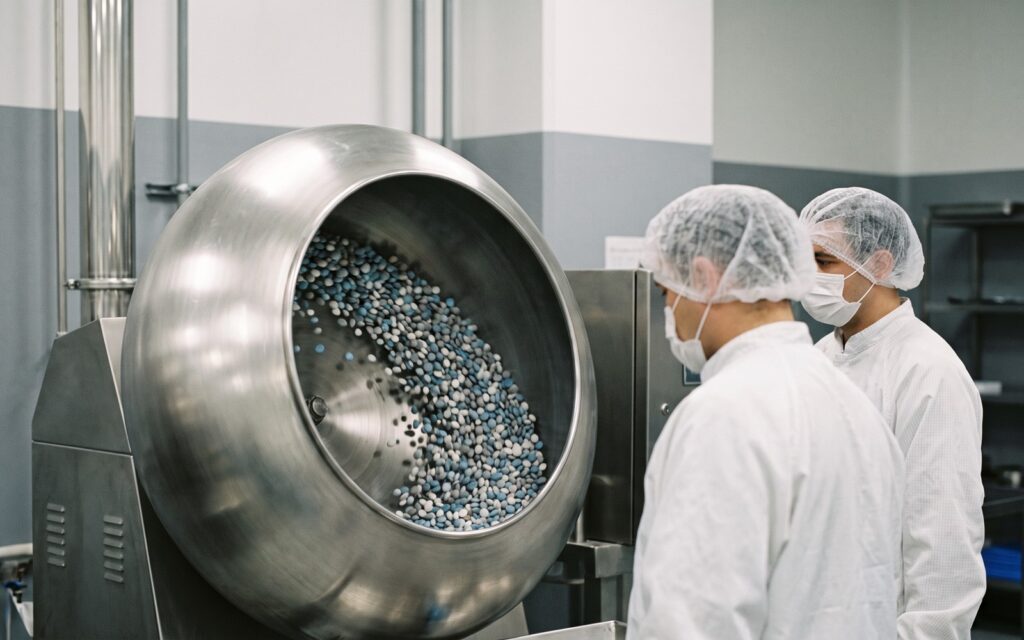
Tablet coating production facilities play a significant role in the pharmaceutical industry. The establishment of these facilities involves not only the construction of physical infrastructure but also the implementation of a quality management system, regulatory compliance, and auditing processes. Creating a structure compliant with GMP (Good Manufacturing Practices) standards forms the basis of these processes.
Sectors and Products Covered
Tablet coating production facilities are commonly used, especially in the pharmaceutical and dietary supplement sectors. In the pharmaceutical sector, the tablet coating process is carried out to enhance the effectiveness of drugs, mask taste, and create a protective layer. In the dietary supplement sector, coating products such as vitamin and mineral tablets is common.
In terms of product forms, tablet coating facilities generally include various types of coatings such as film coating, sugar coating, and enteric coating. These coating types are selected based on the product formulation and intended use.
Setup Process
The establishment of tablet coating production facilities requires specific steps and processes. The first step is selecting the location for the facility and preparing suitable infrastructure. At this stage, factors such as the size of the facility, capacity, and layout of production lines should be considered.
The next step is procuring and installing the necessary equipment. The machines used for tablet coating include various components such as coating pans, drying systems, and control units. The selection of equipment should be based on production capacity and product specifications.
In the third step, the quality management system and regulatory compliance come into play. To create a production process compliant with GMP standards, all stages must be documented and continuously monitored. At this stage, the Turnkey Production Facilities service can assist in effectively managing the process.
Requirements and Standards
One of the most critical requirements for tablet coating production facilities is GMP compliance. GMP ensures that products are manufactured according to specific quality standards and that a structure ready for audits is established. These standards cover a wide range from the physical structure of the facility to personnel training.
Additionally, other quality management systems such as HACCP (Hazard Analysis and Critical Control Points) can also be implemented. These systems are essential for identifying and controlling potential risks.
Costs and Process Timing
The cost of tablet coating production facilities can vary depending on many factors. Key factors affecting costs include the size of the facility, production capacity, equipment used, and regulatory requirements. Generally, establishing such a facility may require a high initial investment.
The timing of the process can vary depending on the size and complexity of the facility. On average, setting up a tablet coating production facility can take anywhere from a few months to a year.
Common Mistakes and Considerations
One of the common mistakes made during the establishment of tablet coating production facilities is overlooking GMP compliance. This can lead to serious disruptions in the production process and legal issues. Additionally, errors in equipment selection can negatively impact production efficiency.
Another common mistake is the insufficient implementation of quality management systems. This can lead to a decrease in product quality and customer dissatisfaction. Therefore, it is crucial to meticulously apply all quality standards during the establishment of the facility.
Tablet coating facility: step-by-step production process
The steps below summarise the typical workflow we follow in tablet coating facility projects. In every project the sequence is adapted to the product portfolio and the capacity target.
- Defining the coating purpose: appearance, taste masking, moisture protection or modified release (e.g. enteric) is clarified.
- Selecting the coating system: aqueous or solvent-based film systems, or sugar coating.
- Preparing the coating suspension: a homogeneous suspension is prepared in mixing tanks and kept under agitation.
- Loading and pre-warming tablet cores: tablets are loaded into a perforated drum and brought to the target bed temperature.
- Spraying and drying: coating is applied while controlling gun position, spray rate, airflow and temperature.
- Cooling, discharge and testing: weight gain, appearance and, where needed, dissolution are checked.
- Packaging or transfer to the next process step.
Key equipment and systems
Equipment is selected according to the formulation, target capacity, level of automation and cleaning validation requirements. A typical facility includes the following main groups:
- Automatic perforated-drum coating machine
- Coating suspension preparation tanks and peristaltic/dosing pumps
- Process air handling (heating, filtration, humidity control) and exhaust filtration
- Solvent recovery and ATEX-compliant equipment if solvents are used
- CIP/WIP cleaning systems
- Tablet testing and visual inspection equipment
- Automation and SCADA that record process data
GMP and regulatory notes
Coating is a critical process step under pharmaceutical GMP, and validation of process parameters is expected during inspections. For enteric or extended-release coatings, consistency of the dissolution profile is a key indicator of product quality. For solvent-based systems, ATEX requirements for explosive atmospheres and emission control must be included in the design.
How is the project timeline planned?
Installation time depends on variables such as whether the building is ready, lead times for imported equipment, cleanroom requirements and the workload of licensing authorities. Rather than quoting a fixed duration, we split the project into clear phases and define the deliverable of each one:
- Feasibility and definition of the product portfolio
- Concept and detailed engineering (layout, personnel and material flows, HVAC and process water)
- Equipment procurement and construction works
- Installation, commissioning and qualification (DQ, IQ, OQ, PQ)
- Process validation, documentation and licensing
- Staff training and transition to commercial production
When work that can run in parallel (for example equipment orders and construction) is planned correctly, the overall schedule shortens noticeably. The critical path is usually long-lead equipment and official approvals.
Factors that drive the cost
Every investment budget is different; the items below have the greatest impact on total cost:
- Number of coating drums and batch size
- Choice of aqueous or solvent-based system
- Air handling and exhaust treatment capacity
- Automation and data integrity requirements
- Cleaning systems and changeover frequency
- Scope of process validation
At Envora we quantify these items for your specific project during the feasibility stage and also evaluate options for phasing the investment.
Frequently Asked Questions
Aqueous or solvent-based coating?
Aqueous film systems are safer and more environmentally friendly and are preferred for most products today. Some functional coatings may still require solvents, in which case ATEX and solvent recovery investment must be planned.
Can the coating line share a room with the tablet press?
Separate rooms are usually preferred. Dust, temperature and humidity conditions differ, and separate areas are safer with regard to cross-contamination and cleaning validation.
Does Envora offer turnkey installation?
Yes. We can manage the entire process under one contract, from feasibility, concept and detailed engineering to equipment supply, installation, qualification and staff training. Consulting-only or engineering-only packages are also available.
Can an existing building be converted into a production facility?
In most cases it can. We assess ceiling height, floor load capacity, utilities and the space available for personnel and material flows on site, and then decide together whether refurbishment or a new building is the better option.
Contact our team to have your project assessed and to receive a roadmap tailored to you. You can find the details of our scope on the Human, Veterinary and Traditional Herbal Medicine Production page.
Related guides: How to Set Up a Tablet Manufacturing Factory?, How to Establish an Injection Manufacturing Factory? and How to Set Up a Traditional Herbal Medicine Facility?.