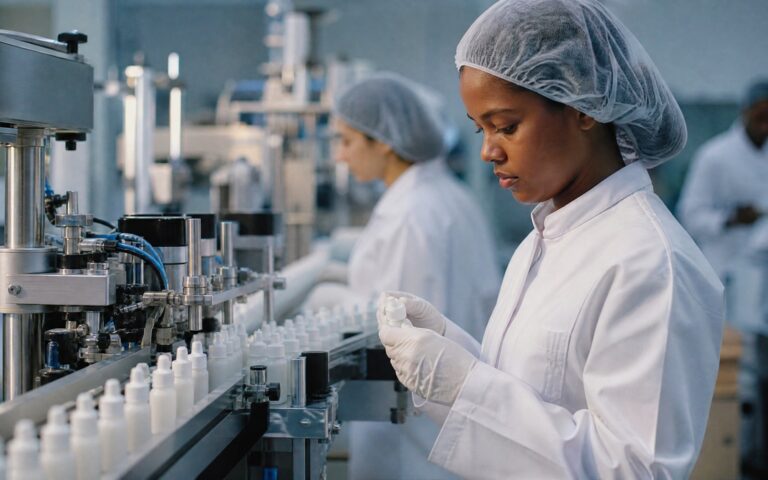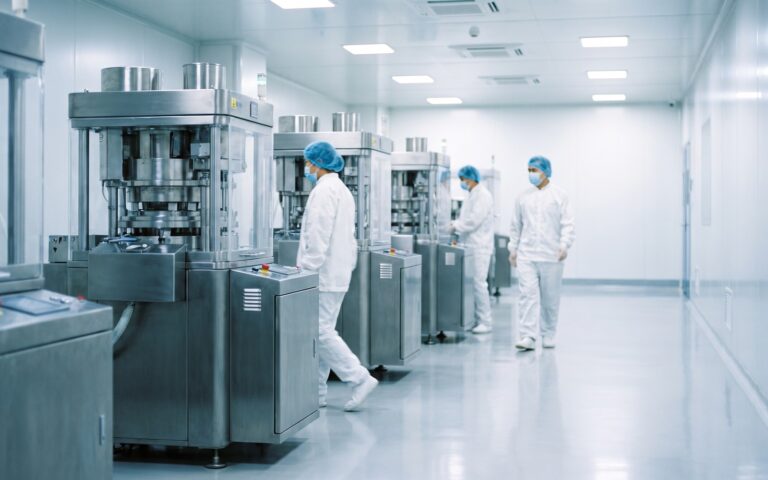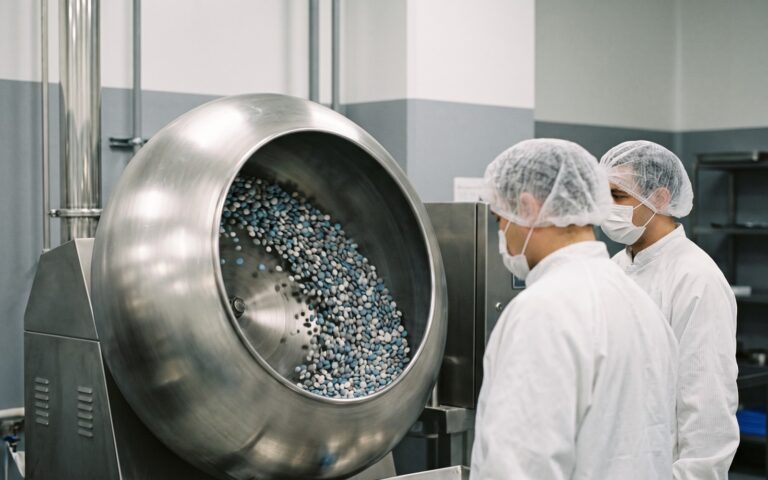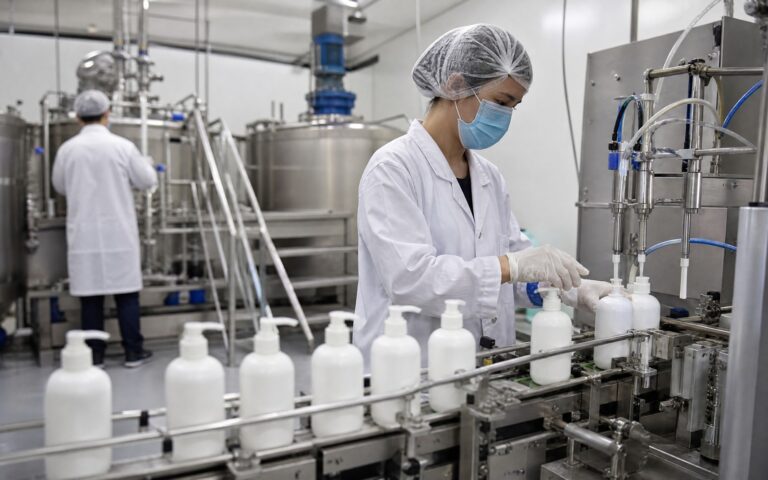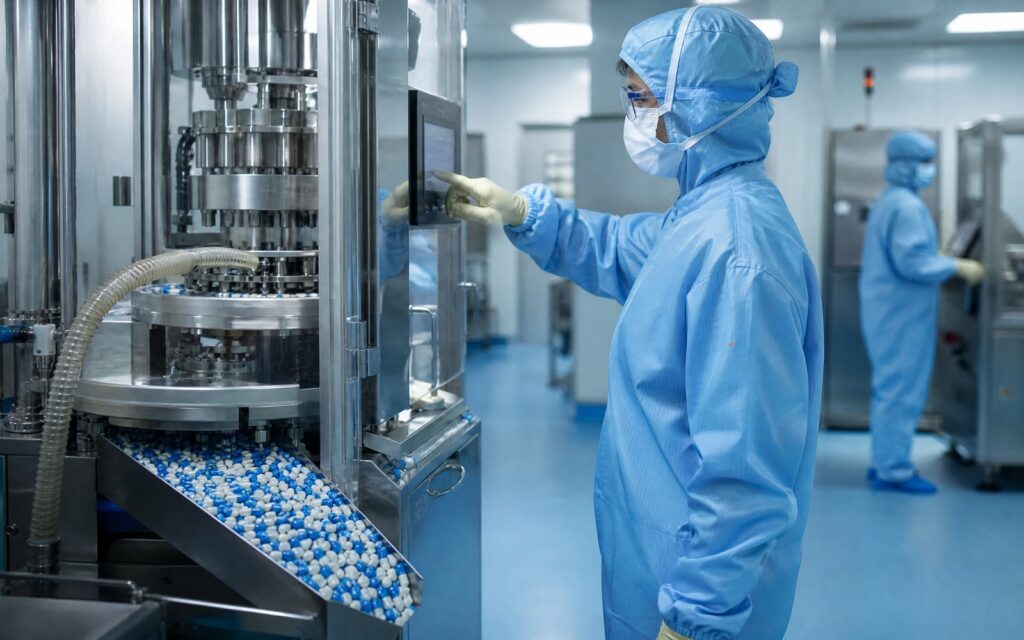
Capsule filling production facilities play a significant role in the pharmaceutical and dietary supplement industries. These facilities are equipped with specialized equipment and processes used in the production of capsule-form products. Setting up a capsule filling production facility requires careful consideration of many factors. In this guide, we will discuss how capsule filling production facilities are established, which sectors they serve, and important points to consider during this process.
You can review the services we provide, from design to commissioning, on our Nutritional Supplement Production page.
Sectors and Products Covered
Capsule filling production facilities are commonly used, especially in the pharmaceutical and dietary supplement sectors. The main products produced in these facilities include:
- Pharmaceutical Capsules: Antibiotics, pain relievers, vitamins, and other prescription medications.
- Dietary Supplements: Vitamin and mineral capsules, herbal supplements, probiotics.
- Special Purpose Capsules: Sports nutrition, weight control products.
These facilities should be designed in accordance with GMP (Good Manufacturing Practices) standards. This ensures that products are produced with high quality and safety standards.
Capsule Filling Production Facility Setup Process
Setting up capsule filling production facilities requires detailed planning and expertise. Here are the main steps to be followed in this process:
1. Needs Analysis and Planning
The first step is to determine production capacity, product variety, and target market. This analysis defines the size of the facility and the types of equipment needed. During the needs analysis phase, the types and quantities of capsules to be produced should be considered.
2. Site Selection and Facility Design
The selection of the site for the facility should be made considering logistics, infrastructure, and environmental factors. The facility design should be planned to optimize the production flow. At this stage, a design that complies with GMP requirements should be created.
3. Equipment Selection and Installation
The selection of equipment such as capsule filling machines, mixers, and clean room systems should be made according to production capacity and product types. The installation of the equipment should be carried out by expert teams.
4. Quality Management System Integration
A quality management system should be integrated to ensure that the facility operates in accordance with international quality standards. This system allows for the continuous monitoring and improvement of production processes.
5. Compliance with Regulations and Standards
The facility must comply with GMP and other relevant regulations. This includes meeting standards applicable to both local and international markets. You can find more information on this topic on our Turnkey Production Facilities page.
Requirements and Standards
Setting up capsule filling production facilities requires meeting certain requirements and compliance with standards. Here are the main requirements to consider during this process:
GMP Compliant Design
The design of the facility must comply with GMP standards. These standards ensure the quality and safety of production processes and guarantee the consistency of products.
Qualification and Validation
All equipment and processes in the facility must undergo qualification and validation processes. This verifies the effectiveness and reliability of production processes.
Environmental and Safety Standards
Working conditions must comply with environmental and safety standards. This ensures the safety of employees and minimizes environmental impacts.
Costs and Duration
Setting up capsule filling production facilities may require high initial costs. However, these costs are balanced by long-term production capacity and quality advantages. Here are some factors that affect costs:
Initial Costs
- Equipment and Technology: The cost of high-quality equipment constitutes a significant portion of the total cost of the facility.
- Infrastructure and Construction: The construction of the facility and infrastructure works require a significant investment.
- Quality Management System: The establishment and integration of quality management systems may incur additional costs.
Operational Costs
- Personnel: Employing and training qualified personnel is a continuous cost item.
- Maintenance and Repair: Regular maintenance of equipment ensures the efficient operation of the facility and affects costs.
The installation duration may vary depending on the size and complexity of the facility. Generally, setting up a capsule filling production facility can take anywhere from a few months to a year.
Common Mistakes and Considerations
Some common mistakes made during the setup of capsule filling production facilities can negatively impact the success of the project. Here are some common mistakes to avoid during this process:
- Insufficient Planning: Inadequately defining needs and goals puts the success of the project at risk.
- GMP Non-compliance: A design and implementation that do not comply with GMP standards jeopardizes the facility’s compliance with regulations.
- Insufficient Training: Inadequate training of personnel can lead to errors in production processes.
- Neglecting Maintenance: Neglecting regular maintenance of equipment can reduce production efficiency.
To successfully set up capsule filling production facilities, it is essential to avoid these mistakes and carefully manage all processes.
Related guides: How to Establish a Herbal Supplement Production Factory?, How to Establish a Food Supplement Production Factory? and How to Establish a Protein Powder Production Facility?.