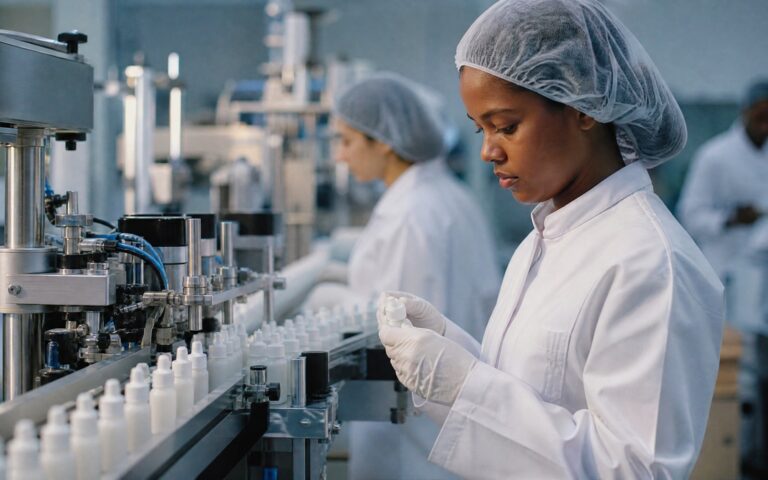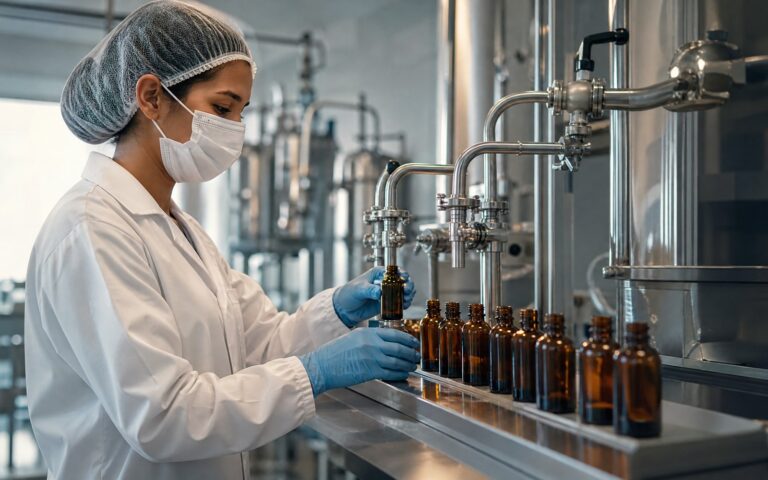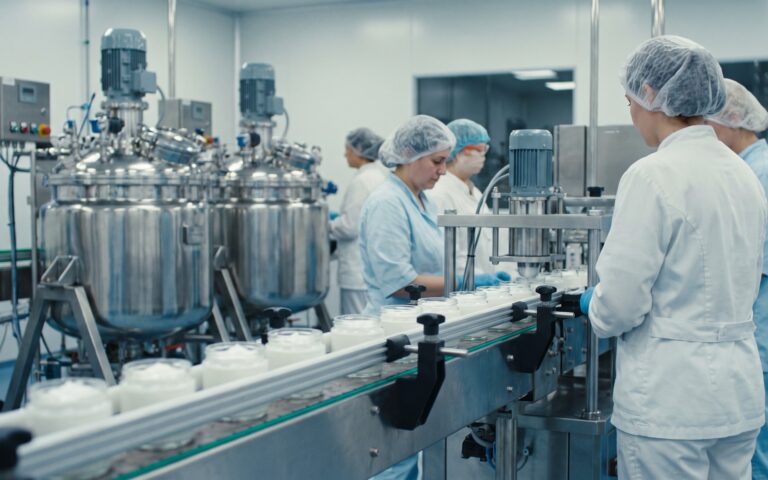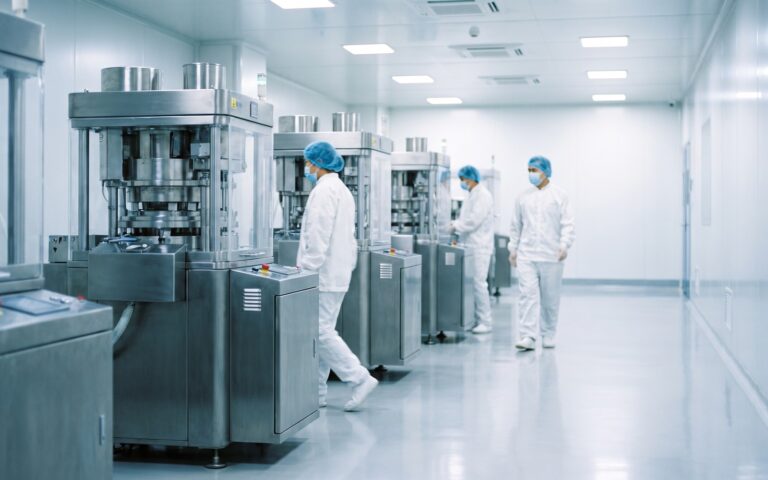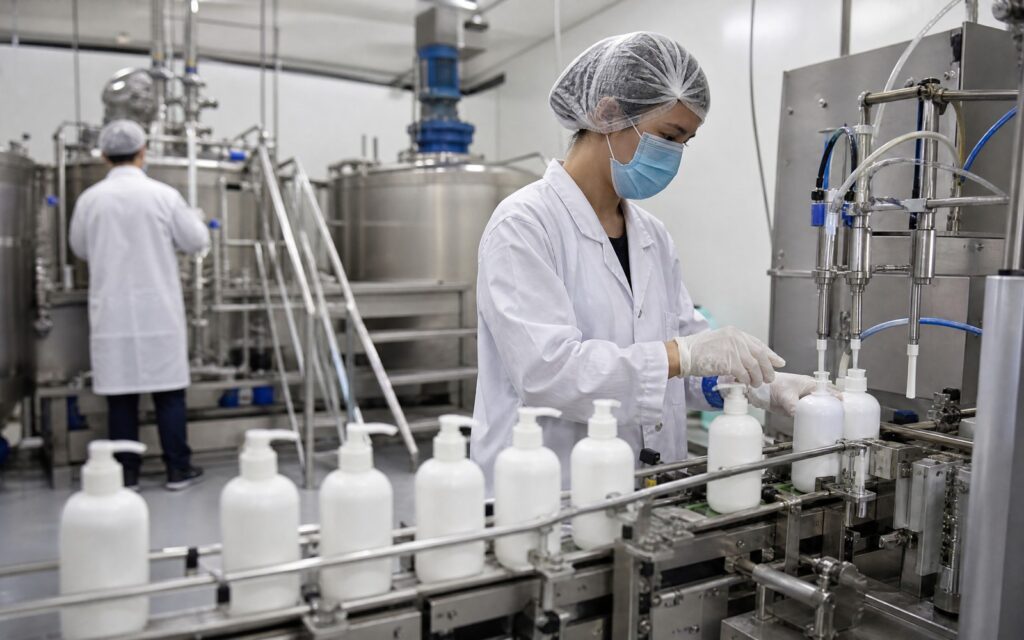
Establishing a liquid soap production factory is an important step for entrepreneurs who want to operate in the hygiene sector. This process requires not only setting up a production line but also creating a quality management system, ensuring regulatory compliance, and preparing a structure ready for inspection. In this guide, we will discuss the steps required to set up a liquid soap production factory, industry requirements, costs, and common mistakes.
You can review the services we provide, from design to commissioning, on our Cosmetic Production Facilities page.
Sectors and Products Covered
Understanding which sectors and products fall under the scope of establishing a liquid soap production factory is crucial. The hygiene sector has a wide application area for personal care and cleaning products. Liquid soap, lotion, shampoo, toner, and serums are considered liquid cosmetic products within this scope. Especially hotel amenities and dermocosmetic products can also be included in this category.
Process of Establishing a Liquid Soap Production Factory
The process of establishing a liquid soap production factory consists of several key steps. First, a suitable location must be selected. This location should be appropriately sized for production capacity and logistically accessible. Next, facility design and planning are carried out. At this stage, the capacity of the production line, equipment layout, and workflows are determined.
The next step is obtaining the necessary permits. Liquid soap production generally requires documents such as environmental permits, workplace opening, and operating licenses. Additionally, certification processes to comply with GMP (Good Manufacturing Practices) and HACCP (Hazard Analysis and Critical Control Points) standards must be completed.
The establishment of the production line begins with the procurement of machinery and equipment. Mixing tanks, filling machines, and labeling systems suitable for the production capacity must be installed. Water purification systems (such as RO systems) and waste management systems should also be integrated.
Finally, staff training and the establishment of quality control systems are carried out. It is essential to provide the necessary training so that staff can master production processes and implement quality control procedures.
Requirements and Standards
There are many standards and requirements that must be followed in liquid soap production. Among these, compliance with GMP and HACCP standards is the most critical. GMP ensures that production processes meet quality and safety standards, while HACCP helps identify and control potential risks during production.
Additionally, environmental management systems should be established to minimize the environmental impact of the production facility. Wastewater management, energy efficiency, and the use of sustainable raw materials should be addressed in this context.
Regulatory compliance is especially important in hygiene product production. Necessary ministry approvals and certification processes must be completed for products to be released to the market. Meeting all these requirements ensures that the factory is prepared for inspections.
Costs and Timing of the Process
The costs of establishing a liquid soap production factory can vary depending on many factors. These include the size of the facility, production capacity, the quality of the machinery and equipment used, location choice, and regulatory requirements.
Capital expenditures (CAPEX) typically include items such as the construction of the facility, purchases of machinery and equipment, infrastructure development, and initial inventory. Detailed planning of these expenditures is critical for the sustainability of the investment.
The timing of the process is also an important part of project planning. Obtaining permits, constructing the facility, installing equipment, and testing processes can generally take several months. Therefore, it is advisable to seek professional support in project management and timing.
Common Mistakes and Points to Consider
One of the common mistakes in establishing a liquid soap production factory is insufficient attention to regulatory requirements. This can lead to both time loss and additional costs. Furthermore, insufficient capacity planning and incorrect equipment selection can negatively impact production efficiency.
Another common mistake is not giving enough importance to staff training. This situation can result in errors in production processes and quality control problems. Therefore, a plan should be established for the continuous training and development of staff.
Finally, neglecting environmental impacts can also be a significant issue. If environmentally sensitive production processes are not developed, there may be legal sanctions, and the brand image may be harmed.
Example Scenario: Small-Scale Liquid Soap Production Facility
For an entrepreneur looking to establish a small-scale liquid soap production facility, the process may be less complex, but there are still many details to consider. Firstly, a suitable location must be selected for a small facility. This location should be low-cost and easily accessible.
The design of the facility should use machinery and equipment optimized for small-scale production. For instance, smaller mixing tanks and filling machines can be preferred. This reduces costs and provides a more flexible production process.
Obtaining the necessary permits is also applicable for small-scale facilities. Environmental permits and workplace opening licenses must be completed. Additionally, necessary steps must be taken to comply with GMP and HACCP standards.
Staff training is also important in small facilities. A team capable of mastering production processes and implementing quality control procedures must be established. This increases production quality and minimizes potential errors.
Finally, environmental impacts should also be considered in small-scale facilities. Attention to waste management and energy conservation can reduce costs and ensure environmental responsibilities are fulfilled.
Related guides: How to Set Up Face Mask Production Facilities?, How to Set Up a Spray Production Line? and How to Establish Emulsion Production Facilities?.