
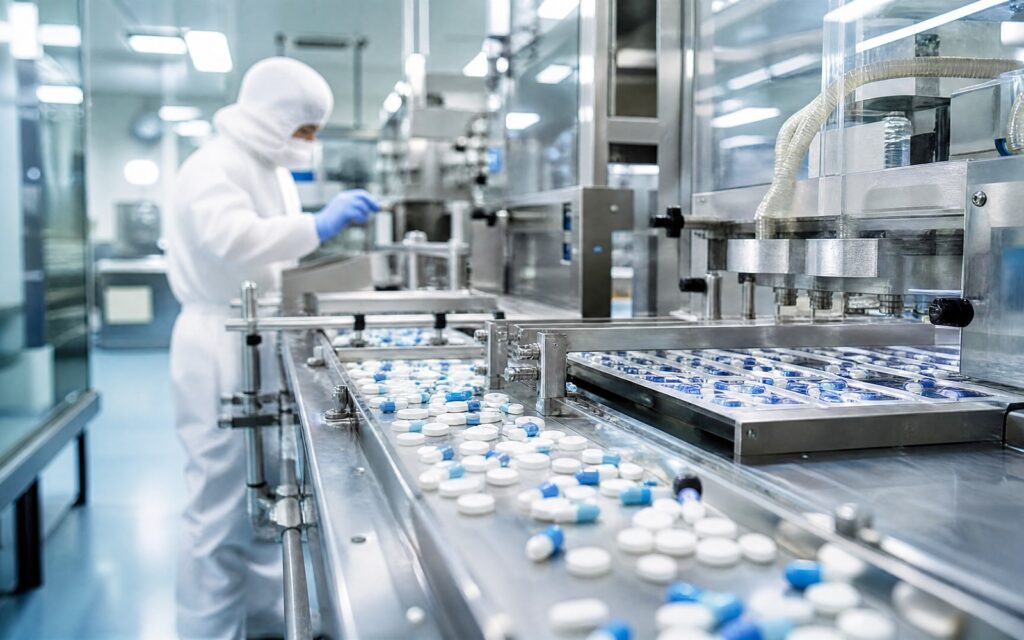
Human, Veterinary and Traditional Herbal Medicine Production
Human, Veterinary and Traditional Herbal Medicine Production is a high-quality, patient safety-focused production process carried out in solid, liquid, and semisolid forms, in accordance with national and international GMP requirements. These different dosage forms are produced through specialized processes and stringent quality control practices based on the intended use and active ingredient characteristics, offering safe and effective treatment solutions.
Human, veterinary and traditional herbal medicine production is a critical industry that requires high regulatory requirements, strong quality management systems, and a sustainable production infrastructure. The production facilities to be established in this field must comply not only with technical qualifications but also with national and international legislation.
The turnkey medicine production facility approach offers significant advantages in terms of quality, speed, and auditability for investors and manufacturers. In particular, GMP-compliant production facilities form the basis of reliable production processes that directly affect patient and animal health in human and veterinary products. In traditional herbal medical products, standardization and traceability are at the heart of quality management.
Sectoral Importance of Human, Veterinary and Herbal Medicine Production
The pharmaceutical production sector is one of the fields subject to the strictest regulations due to its structure directly affecting human and animal health. Human drug production requires high-quality standards in accordance with EU-GMP and Ministry of Health regulations, while veterinary drug production has different control and licensing processes under the Ministry of Agriculture and Forestry legislation.
Although traditional herbal medical products are derived from natural sources, they require a production approach based on scientific foundations in terms of efficacy, safety, and quality. Therefore, the establishment of a quality management system in modern production facilities is a common and indispensable requirement for all product groups.
Drug Production According to Product and Production Forms
Pharmaceutical production facilities have different process requirements and quality control approaches depending on product forms. However, the primary goal in all forms is to establish controlled, traceable, and validated production processes.
Solid Forms
Solid form drugs encompass products such as tablets, capsules, powders, and granules. It is one of the most commonly used form groups in the human and veterinary drug sectors. In traditional herbal products, capsule and tablet forms are frequently preferred due to dosage control and stability advantages.
The quality management system in solid form production covers all stages from raw material acceptance to final product release. Validating processes, controlling the risks of cross-contamination, and establishing a complete documentation system are essential elements of GMP-compliant production.
Liquid Forms
Liquid form drugs include products such as syrups, solutions, suspensions, and drops. They are particularly common for pediatric and oral applications in both human and veterinary use. In herbal products, extract-based liquid forms hold significant importance.
In liquid form production, hygiene, microbiological control, and stability are critically important. Clean area classifications, cleaning validations, and water systems in production facilities are integral parts of quality management. Therefore, turnkey liquid form production facilities must be addressed along with quality infrastructure designed in compliance with regulations.
Semisolid Forms
Semisolid form products include forms such as creams, ointments, gels, and pastes. They are commonly produced for human dermatological products and veterinary topical applications. In traditional herbal medicines, plant-based semisolid products are an important product group.
In this form group, production homogeneity, physical stability, and microbiological safety are the focuses of the quality management system. Process validation, equipment qualification, and effective cleaning procedures are essential components of semisolid form production.
Quality Management System and Regulatory Compliance
In the production of human, veterinary, and traditional herbal medicines, the quality management system forms the foundation of all operations of the facility. A quality system compliant with GMP, GLP, and ISO standards directly affects the continuity of production, auditability, and the success of licensing processes.
The quality system organization encompasses elements such as qualified personnel structure, documentation system, and change management. Inspections by the Ministry of Health and the Ministry of Agriculture and Forestry are the most important mechanisms for measuring the effectiveness and continuity of these systems.
Advantages of Turnkey Pharmaceutical Production Facility Approach
The establishment of a turnkey production facility offers the investor a comprehensive, integrated, and regulation-compliant solution. This approach covers all stages, from facility design to the establishment of the quality management system, qualification and validation processes to audit readiness.
As a result, the project timeline is shortened, regulatory risks are minimized, and production facilities become audit-ready from day one. Especially for GMP-compliant pharmaceutical production facilities, the turnkey approach forms the basis of sustainable quality management.
Qualification, Validation, and Audit Readiness
Qualification and validation studies in pharmaceutical production facilities are the most important processes that prove the effectiveness of the quality system. Equipment, facility, and process qualifications demonstrate that production is controlled and reproducible.
Studies such as cleaning validation, process validation, and computerized system validation are among the main evaluation criteria for official audits. An audit-ready facility must possess a strong quality culture in terms of not only documentation but also operational discipline.
Sıkça Sorulan Sorular
Can human, veterinary, and herbal medicine production be carried out in the same facility?
It is possible when appropriate area separation, quality system, and regulatory requirements are met. However, the regulatory requirements for each product group should be evaluated separately.
What does a turnkey pharmaceutical production facility encompass?
It is an integrated approach that includes facility design, the establishment of a quality management system, qualification, validation, and audit readiness processes.
Why is GMP compliance so critical?
GMP forms the basis of product safety, quality, and traceability. It is essential for the successful completion of licensing and audit processes.
Is a quality system necessary in herbal medicine production?
Yes. Herbal products should also be standardized in terms of efficacy and safety, and the quality management system is fundamental to this process.
When should preparations for audits be initiated?
Audit requirements should be considered from the design phase of the facility, and the quality system should be established in parallel.
Request a Quote for Your Project
Our expert team is ready to provide customized solutions for your needs.
Get in touchCatalog
You can review our catalogs for detailed information about our products and services.
Our Related Services
Related Guides
Guides on setup, costs and regulations
-
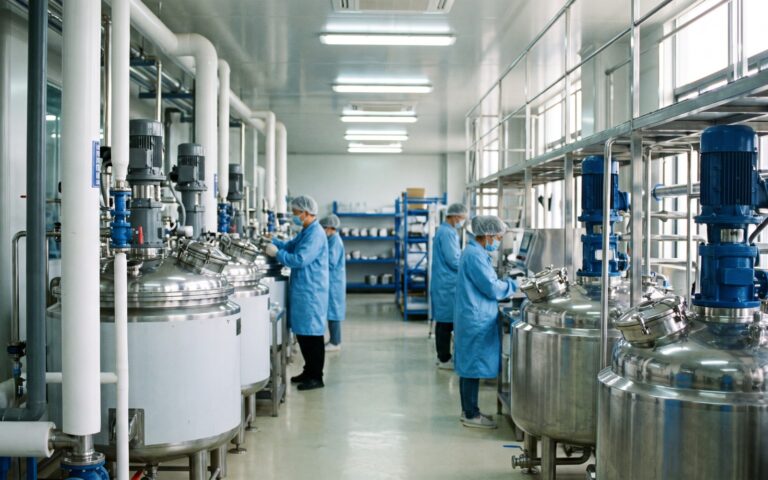 How to Set Up a Traditional Herbal Medicine Facility?
How to establish traditional herbal medicine production facilities? In this guide, explore the steps, requirements, and cost factors…
Read more
-
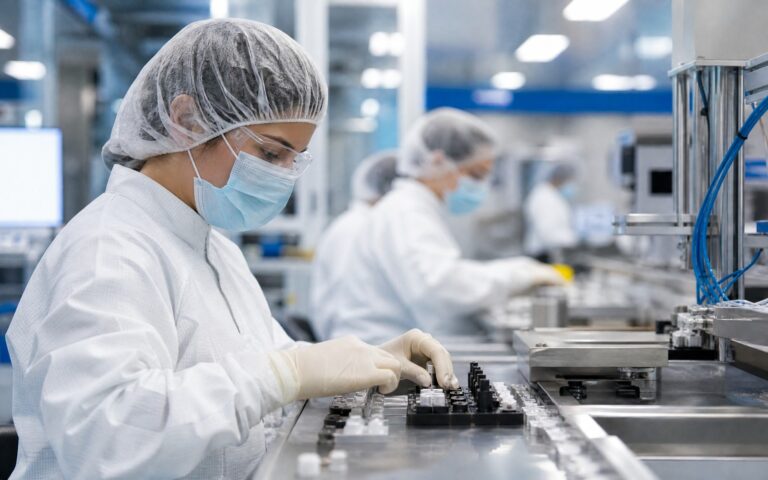 How to Establish Medical Device Manufacturing Facilities?
A comprehensive guide on establishing medical device manufacturing facilities, quality control processes, and regulatory compliance. Details on the…
Read more
-
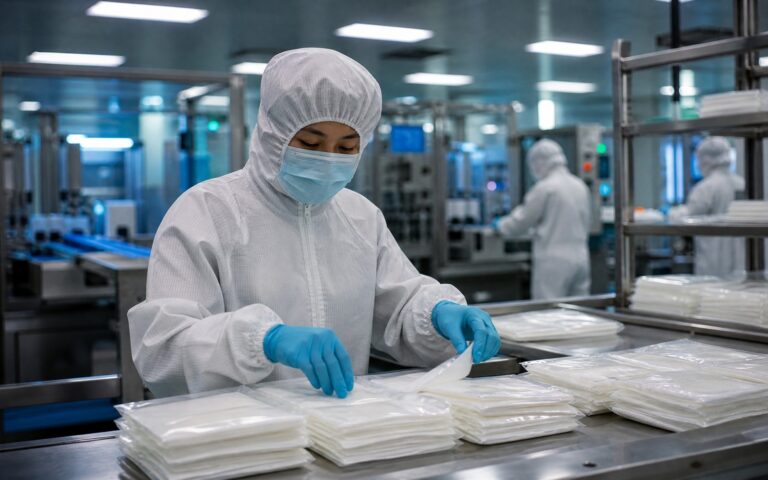 How to Establish Medical Product Manufacturing Facilities?
A detailed guide on the processes, requirements, and costs for the turnkey establishment of medical product manufacturing facilities.
Read more
-
 How to Establish Veterinary Drug Manufacturing Facilities?
Learn about the necessary steps and processes for establishing veterinary drug manufacturing facilities to ensure quality and regulatory…
Read more