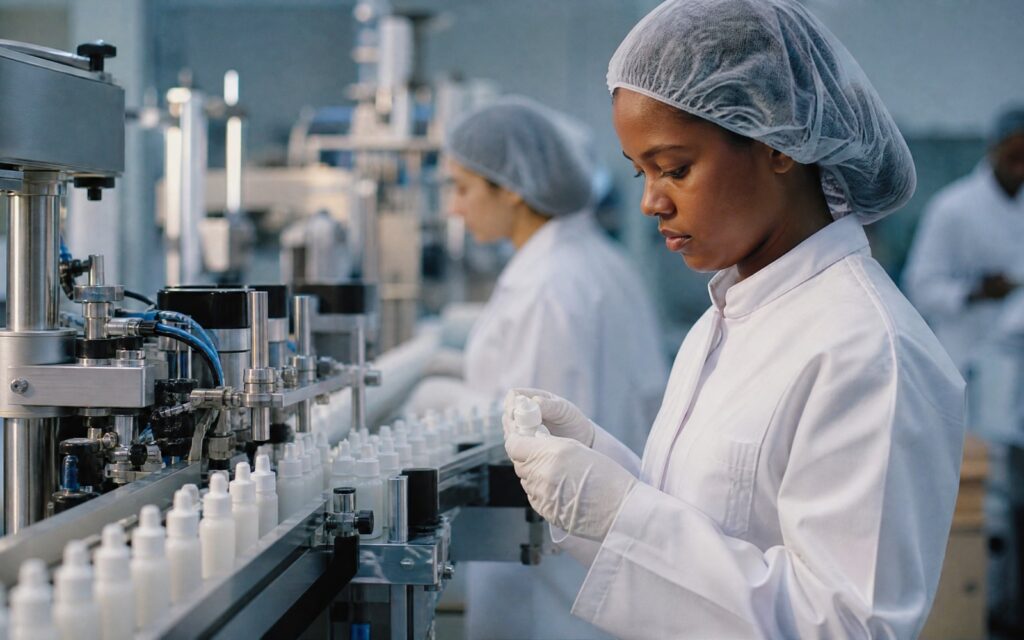
Establishing a liquid filling production factory is a strategic step for medium and large-scale businesses aiming to achieve a competitive position in their sector. These facilities are specifically designed for the production, filling, and packaging of liquid products. With a turnkey approach, it ensures not only the setup of the physical facility but also the creation of a quality management system, regulatory compliance, and a structure ready for auditing. In this guide, we will present a step-by-step roadmap on how to establish a liquid filling production facility.
You can review the services we provide, from design to commissioning, on our Turnkey Production Facilities page.
Sectors and Products Covered
Liquid filling production facilities support the production of a wide range of products across various sectors. These sectors include:
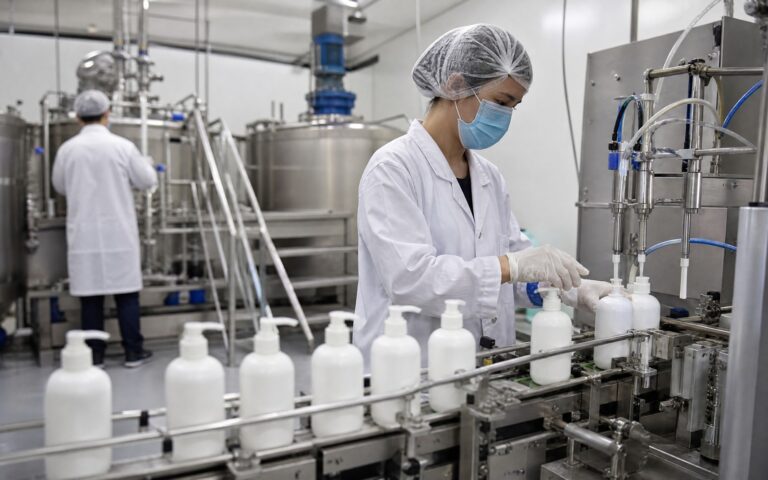
- Personal Care Products: Products like shampoo, lotion, liquid soap, toner, and serum.
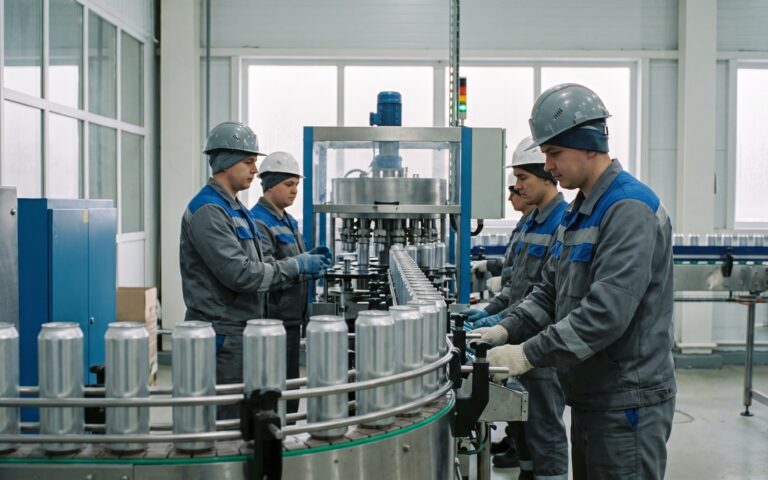
- Food and Beverage Industry: Fruit juices, energy drinks, milk, and dairy products.
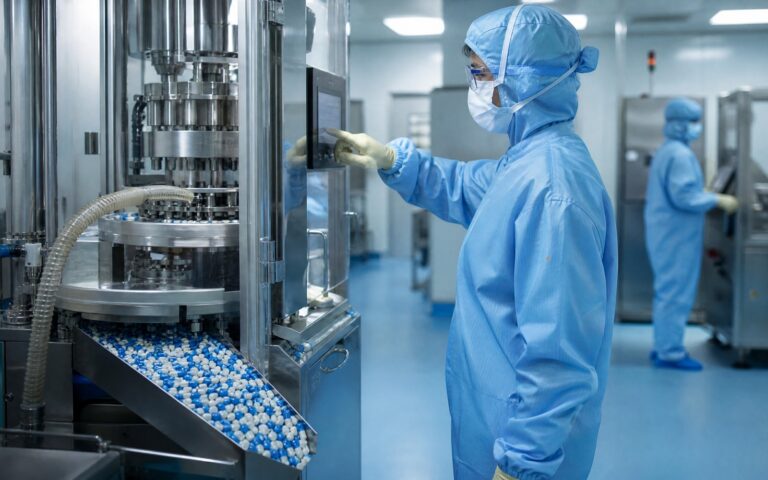
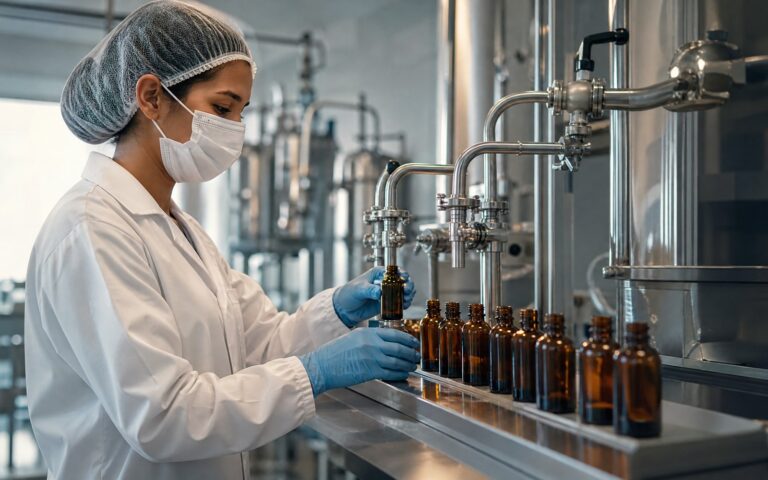
- Pharmaceutical Products: Syrups, liquid medications, vitamin solutions.
- Chemical Industry: Cleaning products, oils, industrial chemicals.
Each of these products requires different production lines and filling techniques. For example, the production of products like lotion and shampoo in the cosmetics sector requires special filling machines and hygiene standards. Similarly, in the food sector, aseptic filling systems should be used for fruit juices and energy drinks.
Installation Process
The establishment process of a liquid filling production factory requires careful planning and meticulous implementation of various steps. Here are the key steps of this process:
1. Needs Analysis
The first step is conducting a needs analysis by evaluating factors like production capacity, product diversity, and target market. This analysis sheds light on topics such as what types of machines and equipment are needed, the size of the facility, and which quality standards need to be met. Proper needs analysis ensures both cost control and the efficient operation of the facility.
2. Site Selection and Design
The selection of the site where the facility will be established should consider elements like logistics, infrastructure, and labor. An ideal site selection reduces transportation costs and increases operational efficiency. In the design phase, the efficiency and safety of the production line are prioritized. The layout of the facility is prepared to optimize the production flow. At this stage, designing according to occupational health and safety standards is also crucial.
3. Equipment and Technology Selection
The selection of equipment to be used in liquid filling production is based on production capacity and product characteristics. Equipment such as filling machines, mixers, labeling machines, and packaging systems directly affect the efficiency of the facility. Additionally, it is important that the technologies used are up-to-date and energy-efficient. This increases environmental sustainability and provides long-term cost savings.
4. Compliance with Regulations and Standards
It is critical for production facilities to comply with international standards such as GMP (Good Manufacturing Practices) and HACCP (Hazard Analysis and Critical Control Points). These standards ensure that products are produced safely and of high quality. The Turnkey Production Facilities service facilitates this compliance process. Moreover, ensuring compliance with local legal regulations is important for the sustainability of the facility.
5. Construction and Installation
The construction phase involves creating the physical structure of the facility. During this process, details such as electrical and plumbing installations, ventilation systems, and flooring are carefully planned. The installation of equipment is done in a way that ensures the efficient operation of the production line. Additionally, minimizing environmental impacts and using sustainable materials should be taken into account during the construction process.
6. Testing and Validation
After the completion of the facility setup, testing of production lines and validation processes are carried out. This phase verifies that the facility is operationally ready and that products can be produced to the desired quality standards. The validation process includes monitoring each stage of production processes and making necessary adjustments.
Requirements and Standards
During the establishment of liquid filling production facilities, certain requirements and standards must be met. These requirements are determined by both legal regulations and industry standards.
GMP and HACCP Compliance
Compliance with GMP and HACCP is essential for production facilities. GMP ensures that production processes are carried out in a regular and controlled manner, while HACCP aims to identify and control risks that could threaten product safety in advance. This compliance guarantees quality at every stage of production processes.
Quality Management System
A quality management system is a series of procedures and standards established to ensure quality at every stage of the production process. This system enhances product consistency and customer satisfaction. In turnkey projects, this system is delivered ready-made. The quality management system should be updated based on continuous improvement and customer feedback.
Auditing and Certification
Production facilities must be audited at regular intervals and certified by international certification bodies. These audits confirm that the facility operates in compliance with regulations and ensures product safety. Certification processes are also necessary for the facility to be competitive in international markets.
Cost and Timeline
The cost of establishing a liquid filling production facility varies depending on many factors. These factors include the size of the facility, the type and capacity of the equipment used, site selection, and infrastructure needs.
Startup Costs
Startup costs encompass the construction of the facility, equipment purchase, and installation. These costs can vary depending on the scale of the facility and the technologies used. Additionally, regulatory compliance and certification processes can also affect costs. Accurately calculating startup costs is important for the financial sustainability of the project.
Operational Costs
Operational costs include the expenses necessary for the continuity of the production process. These costs include energy consumption, maintenance and repair expenses, raw material costs, and labor wages. An efficient production line optimizes these costs. Keeping operational costs under control increases the profitability of the business.
Timeline
The establishment of a liquid filling production facility typically spans a period of 12-18 months. This period includes planning, construction, equipment installation, and testing processes. Careful planning and timely completion of each step ensure the successful execution of the project. Effectively managing the timeline minimizes project risks and provides a quick return on investment.
Common Mistakes and Ways to Avoid Them
Common mistakes that can be encountered during the establishment of a liquid filling production facility and ways to avoid them:
Incorrect Equipment Selection
Selecting equipment that does not match the production capacity adversely affects the efficiency of the facility. A detailed needs analysis should be conducted and expert opinions should be obtained for correct equipment selection. Ensuring that the equipment is technologically up-to-date increases the efficiency of production processes.
Regulatory Non-Compliance
Failure to comply with standards such as GMP and HACCP can lead to disruptions in production processes and legal issues. Therefore, it is essential to utilize expert consulting services to ensure regulatory compliance. Regularly reviewing compliance processes helps the facility operate in accordance with current standards at all times.
Inadequate Planning
Inadequate planning during the construction and installation of the facility can result in budget overruns and wasted time. Detailed planning and monitoring of each stage prevent such issues. The effective use of project management tools supports the planning process and ensures the efficient use of resources.
Related guides: How to Establish a Plastic Mold Production Factory?, How to Establish a Liquid Soap Production Factory? and How to Establish a Cosmetic Manufacturing Factory?.