
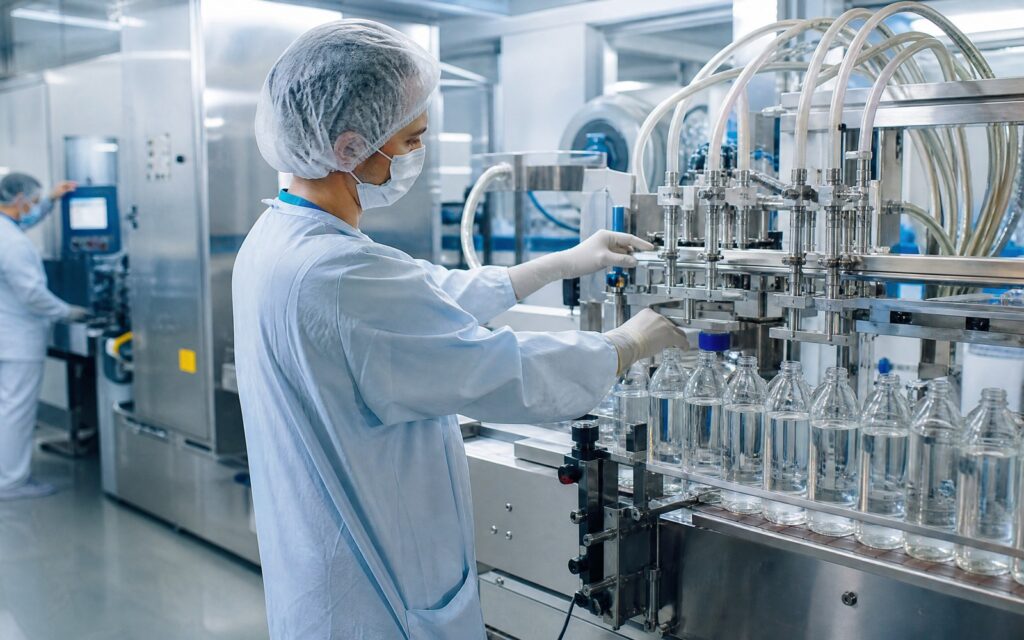
Antiseptic Product Production Solutions
Hygienic areas, filling lines, and MEP solutions for antiseptic production facilities. We design with expertise and produce projects tailored to the sector.
Get free consulting for your Antiseptic Product Production project
Building the right facilities is essential for antiseptic product manufacturers. Having the right facility infrastructure is essential to increase product quality and production efficiency. Various businesses such as antiseptic manufacturers, disinfectant companies, hygiene product manufacturers, OEM manufacturers, healthcare institutions, cleaning product brands, chemical companies, and medical product manufacturers are part of this sector.
These businesses require hygienic production areas with high standards. The design of the equipment and facilities used in production processes directly affects the effectiveness and safety of the products. Therefore, facility planning and establishment in antiseptic product production must be handled carefully. Every stage of the production line must be meticulously planned to ensure an efficient and safe production environment.
The design of hygienic areas plays a critical role in antiseptic production. These areas must be specifically designed to prevent the contamination of products. HVAC systems, by controlling air quality, prevent the presence of unwanted particles and microorganisms in the production area. Additionally, the placement and design of filling lines increase production speed while maintaining product quality.
MEP (Mechanical, Electrical, and Plumbing) solutions are another important element for antiseptic product production facilities. Proper planning and integration of these systems increase energy efficiency while reducing operational costs. Regular maintenance and updates of these systems are also crucial for the uninterrupted and safe continuation of the production process.
Filling lines play a major role in the packaging process of antiseptic products. These lines, integrated with automation systems, increase production capacity while minimizing error rates. Moreover, filling lines provide flexibility for different product types and package sizes, making the production process more adaptable.
- Design of antiseptic product production facilities
- Planning of hygienic production areas
- Automation and integration of filling lines
- HVAC system design and installation
- MEP solutions and energy efficiency
- Optimization of the production process
- Production technologies that enhance product quality
- Design of filling lines for rapid production
- Sterilization solutions for production areas
- Projects to increase production capacity
- Environmentally friendly production solutions
- Digital transformation of production facilities
In the antiseptic production sector, certain scopes are addressed to ensure compliance with regulations and to achieve high-quality standards. Topics such as cleanliness and sterilization of production areas, control of production processes, and continuous monitoring of product quality are fundamental requirements of the sector. Additionally, staff training and safety, environmental responsibilities, and waste management are also included in the scope of regulations.
Example Project
The establishment of an antiseptic production facility requires a detailed planning and implementation process. In the initial stage, the layout plan of the facility and the production capacity are determined. Then, the design of hygienic areas and the placement of filling lines are realized. By integrating HVAC and MEP systems, the energy efficiency and operational costs of the facility are optimized.
- Layout planning →
- Determining production capacity →
- Designing hygienic areas →
- Placement of filling lines →
- Integration of HVAC and MEP →
- Energy efficiency optimization →
- Initiating production process
In antiseptic product production, managing all processes under a single roof reduces costs and enhances production quality. Working with an expert team to carefully plan each stage is critical to the success of your projects. Please contact us for customized solutions that meet your needs.
How We Can Help
Antiseptic Product Facility Design
Planning and installation of facilities designed specifically for antiseptic production, with hygienic areas and filling lines for efficient output.
Hygienic Production Area Planning
Designing production areas to hygiene standards, with sterilisation solutions to protect product quality.
Filling Line Automation and Integration
Filling lines integrated with automation systems for fast, accurate filling of antiseptic products.
HVAC System Design and Installation
Design and installation of HVAC systems that control air quality in production areas and improve product safety.
MEP Solutions and Energy Efficiency
Mechanical, electrical and plumbing solutions that make production facilities more energy-efficient and lower operating costs.
Production Process Optimisation
Optimisation work at every stage of production to improve efficiency, product quality and throughput.
Production Technologies for Higher Product Quality
New production technologies that improve the quality and output of antiseptic products.
Filling Line Design for High-Speed Production
Fast, flexible filling line designs that increase production capacity.
Production Area Sterilisation Solutions
Effective sterilisation solutions for production areas that maintain hygienic production standards.
Eco-Friendly Production Solutions
Sustainable production solutions that minimise the environmental impact of antiseptic facilities.
Digital Transformation of Production Facilities
Digitalising production improves efficiency and traceability through integrated modern technologies.
Which of these solutions fits your Antiseptic Product Production project?
Get a free initial assessment and we'll identify the right solution for your project. We reply within 24 hours.
Frequently Asked Questions
How long does the establishment of an antiseptic production facility take?
The establishment duration varies depending on the scope of the project and the size of the facility. Typically, it can take anywhere from a few months to a year. When project planning and implementation stages are managed carefully, the duration can be predicted more accurately.
How is project cost determined?
Project cost depends on various factors such as the size of the facility, the technology used, and the equipment. Feasibility studies conducted in the initial phase help clarify the costs. Detailed budgeting optimizes the expenses.
What stages are involved in facility installation?
The stages of facility installation include site planning, design of hygienic areas, installation of filling lines, and integration of HVAC and MEP systems. Each stage is carefully planned and executed by expert teams.
How is compliance with regulations ensured?
Production processes are designed and managed in accordance with national and international regulations. Compliance with hygiene standards is ensured through regular inspections. Continuous compliance is maintained through training and quality control processes.
How are filling lines optimized?
Filling lines are optimized by integrating automation systems. This increases production speed and minimizes error rates. Flexibility is provided for different types of products.
Why are MEP solutions important?
MEP solutions enhance the energy efficiency of the facility and reduce operational costs. The integration of mechanical, electrical, and plumbing systems ensures that the production process continues smoothly and safely.
How are production processes optimized?
Production processes are continually monitored and optimized to increase efficiency. New technologies and automation solutions enable processes to be faster and error-free. Quality control is maintained at every stage.
How are hygienic areas designed?
Hygienic areas are specifically designed for sterilization and air quality control. HVAC systems and hygienic surfaces ensure that these areas remain clean and safe. Regular maintenance and inspections help retain hygiene standards.
Request a Quote for Your Project
Our experts are ready to design a solution around your requirements.
Contact Get in Touch Our projects →Related Services
Related Guides
Guides on setup, costs and regulations
-
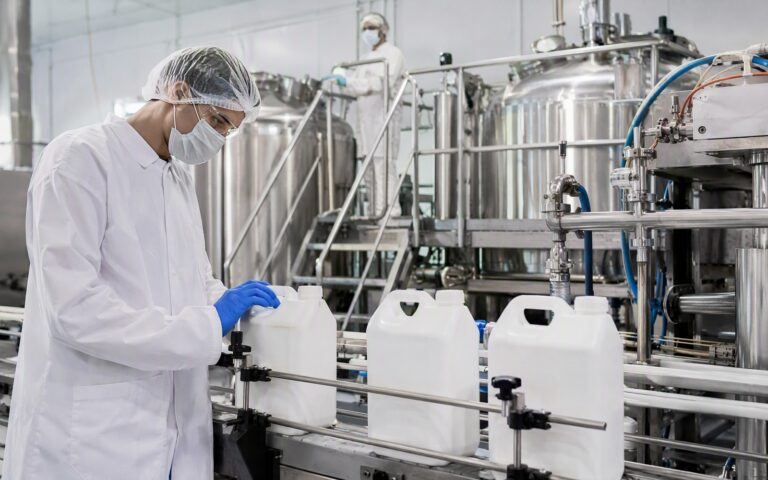 How to Establish Biocidal Product Manufacturing Facilities?
Get detailed information about the establishment of biocidal product manufacturing facilities, sectors, and products. Explore processes related to…
Read more
-
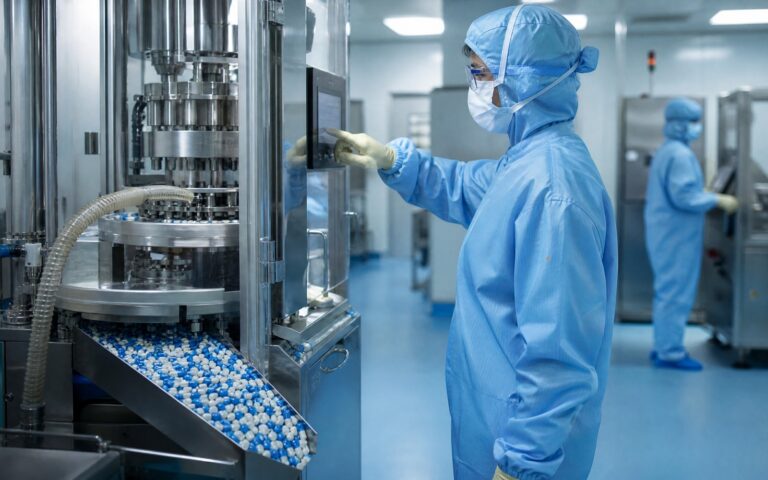 How to Set Up Capsule Filling Production Facilities?
A detailed guide on the processes, requirements, and costs to consider when setting up capsule filling production facilities.
Read more
-
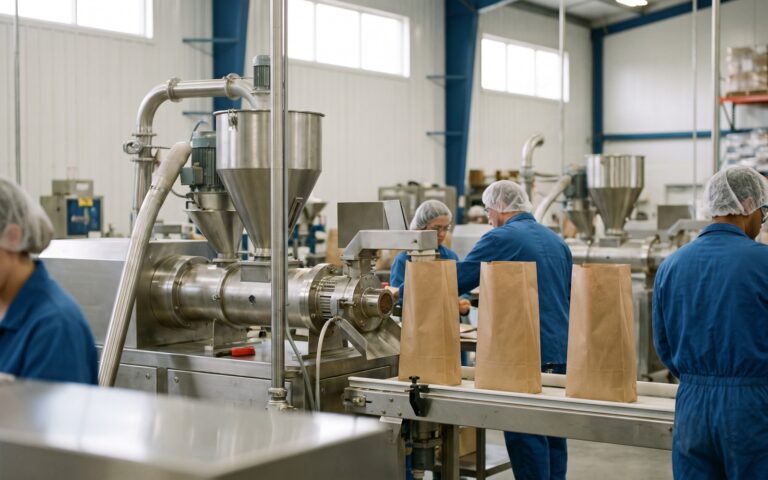 How to Set Up a Pet Food Production Factory?
We address the setup of a pet food production factory step by step, examining quality control and regulatory…
Read more
-
 How to Build an Intake Structure and Pre-Protection?
How is the intake structure and pre-protection implemented in seawater treatment systems? Which sectors use these systems? What…
Read more