Seawater treatment systems provide reliable and sustainable water sources for coastal industrial facilities, hotels, islands, and municipalities. The effective operation of these systems is critically dependent on the intake structure and pre-protection techniques. In this article, we will discuss the necessary structures and pre-protection techniques for safe water intake from the sea.
You can review the services we provide, from design to commissioning, on our Seawater Treatment Systems page.
Sectors and Products Covered
Seawater treatment systems are used in various sectors. Particularly in the tourism sector, hotels and resorts, industrial facilities, municipalities, and islands benefit from these systems. The products typically aim to obtain drinking water, industrial process water, and agricultural irrigation water.
- Tourism Sector: Hotels, resorts
- Industrial Facilities: Manufacturing plants, power plants
- Municipalities: City water supply
- Islands: Settlements with limited freshwater resources
Installation of Intake Structure
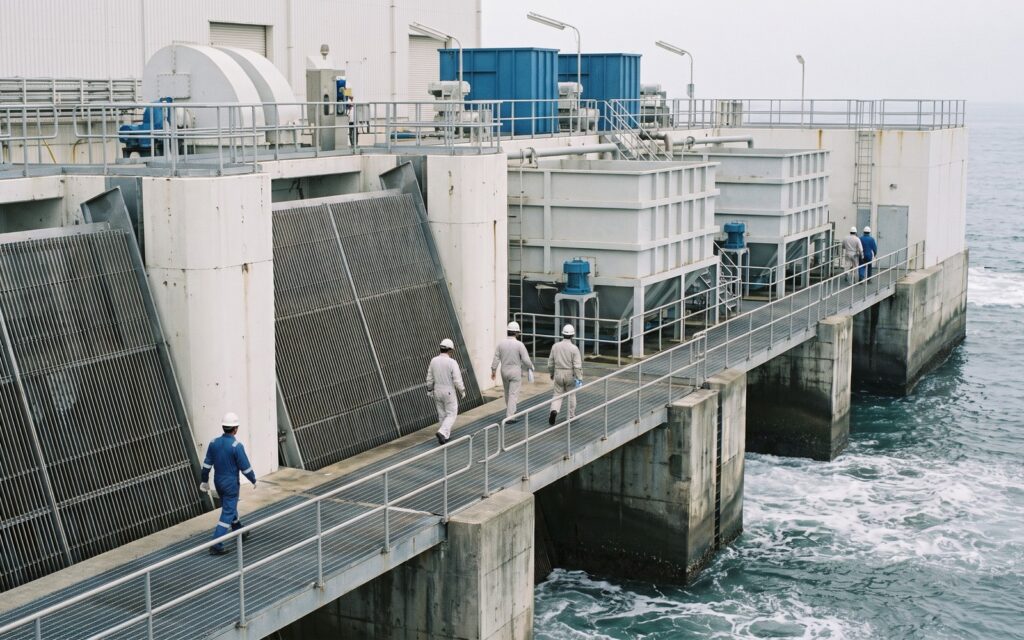
The intake structure is the first step in seawater treatment systems. Proper design and construction of this structure are critical for the efficiency of the system. First, the structure of the seabed and the quality of the water should be examined. These analyses help determine the appropriate intake point. Then, suitable material selection is made for the area where the intake structure will be placed. The construction is carried out considering the durability of the structure and its environmental impacts.
One of the important factors to consider in the design of the intake structure is the flow rate and discharge of the water. High discharge can strain the system’s capacity, so the intake structure must be resilient to such variables. Additionally, environmental impact assessments should be conducted to avoid harming the habitats of marine life in the area where the intake structure will be placed.
Pre-Protection Techniques
Pre-protection encompasses the measures taken to prevent the seawater from damaging the treatment system. In the first step, filtration systems are established to prevent large particles and marine life from entering the system. These filters preserve the quality of the water while extending the lifespan of the system. Additionally, chemical pre-treatments may be applied to reduce the risk of biological contamination.
Filtration systems are supported by equipment such as mechanical filters and fine screens. These devices effectively separate unwanted substances from the water, preventing blockages in the treatment system. Chemical pre-treatments are used to maintain the pH balance of the water and control biological growth. Processes such as chlorination allow for the safe processing of water without harming the treatment system.
Requirements and Standards
During the installation of seawater treatment systems, compliance with certain standards is required. These standards are critical for achieving water quality targets. For example, the design of the intake structure must be resilient to environmental impacts. Additionally, the energy efficiency and operational continuity of the system should also be considered. These requirements are determined within the framework of international standards and local regulations.
Standards such as ISO 14001 provide guidance for minimizing environmental impacts in seawater treatment projects. Furthermore, the water must meet the drinking water standards set by organizations such as WHO and EPA. These standards ensure that the system is sustainable both environmentally and operationally.
Cost and Duration
The cost of seawater treatment systems varies depending on the technology used, the capacity of the system, and local conditions. The construction of the intake structure and pre-protection systems constitutes a significant portion of the total cost. Additionally, the project duration varies based on design, permitting processes, and construction phases. Generally, such projects can be completed within a few months to a year.
Cost calculations should consider not only initial investment costs but also operational and maintenance costs. Energy consumption, chemical usage, and personnel expenses are the main factors affecting operational costs. Moreover, regular maintenance and inspections are necessary for the system to operate efficiently in the long term.
Common Mistakes
Common mistakes made during the installation of seawater treatment systems can reduce the efficiency of the system. For example, incorrect design of the intake structure or inadequate pre-protection measures can lead to blockages and mechanical issues in the system. Additionally, insufficient analysis of water quality can result in unexpected problems during the treatment process. To avoid such mistakes, it is important to work with experienced engineers and conduct comprehensive planning.
Another common mistake is miscalculating the system’s capacity. Seasonal changes and sudden increases in water demand can cause the system to be under greater load than expected. To prevent such situations, flexible and scalable system designs should be preferred. Furthermore, using materials and techniques that do not comply with local regulations and environmental factors can lead to serious long-term issues.
Example Scenario: Seawater Treatment System for a Hotel
Let’s consider the installation of a seawater treatment system for a hotel. In the first step, the quality of seawater in the area where the hotel is located is analyzed. Then, a system is designed with a capacity to meet the hotel’s water needs. The intake structure is built at a suitable point along the hotel’s coastline. This structure should be designed to both preserve water quality and minimize environmental impacts.
In the pre-protection phase, necessary filtration and chemical processes are applied to prevent the seawater from damaging the treatment system. Depending on the hotel’s water consumption habits, the system’s capacity and flexibility are adjusted. Additionally, the system’s energy consumption is optimized to align with the hotel’s energy efficiency goals.
Cost Items and Details
The cost items of seawater treatment systems should be addressed in detail for effective project budget management. First, the construction costs of the intake structure are evaluated. These costs can vary based on the quality of materials used and the difficulty of construction. The costs of pre-protection systems include expenses for filtration equipment and chemical processes.
Operational costs depend on factors such as energy consumption, chemical usage, and personnel expenses. Energy consumption is directly related to the efficiency of the system and can be a significant cost item in the long run. Chemical usage is necessary to maintain water quality, but it can also affect costs. Personnel expenses are required for the operation and maintenance of the system.
Checklist: Key Considerations During the Installation Process
- Detailed analysis of seawater quality
- Correct positioning of the intake structure
- Effective installation of pre-protection systems
- Accurate calculation of system capacity
- Energy efficiency and cost optimization
- Assessment and minimization of environmental impacts
- Compliance with local regulations
- Planning for regular maintenance and inspections
Related guides: Steps for Feed Seawater Analysis and Process Design, How to Install Seawater Reverse Osmosis (SWRO) Modules? and High Pressure Pumps and Energy Recovery Systems Installation.