
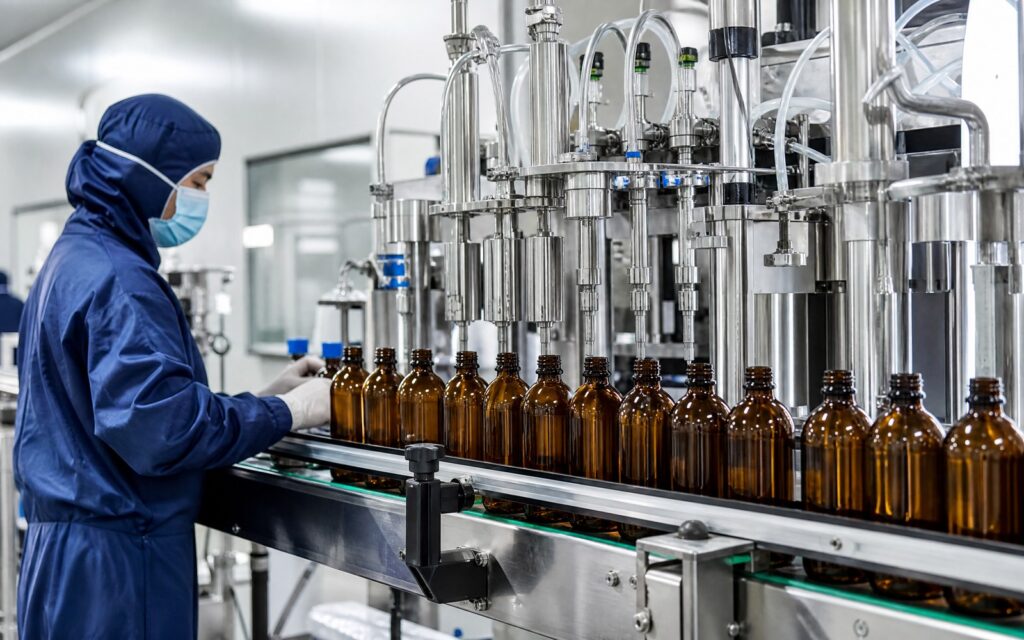
Liquid Dosage Production (Syrup/Solution) Solutions
Comprehensive solutions for syrup and solution production facilities in the liquid production sector. Optimize your production processes, enhance quality.
Get free consulting for your Liquid Dosage Production (Syrup/Solution) project
Do you manufacture liquid products and need effective solutions for syrup or solution production? You are in the right place to optimize your production processes, improve quality, and maximize efficiency. Syrup and solution manufacturers, pharmaceutical companies, dietary supplement manufacturers, chemical companies, biotechnology firms, beverage producers, cleaning product manufacturers, cosmetics companies, perfume manufacturers and health product producers all operate in this sector.
Today, liquid production facilities require advanced technologies for fast and efficient production processes. The right equipment and facility design greatly influence the performance of your production line. In syrup and solution production, ensuring hygienic conditions, efficient operation of filling lines, and integration of automation systems are vital. Therefore, there are many factors to consider when setting up facilities.
In designing liquid production facilities, various solutions are developed depending on the type of product and production capacity. For instance, in syrup production, mixture homogeneity, viscosity control, and filling accuracy are critically important. In solution production, optimal management of solubility, sterilization, and packaging processes is essential. In both types of production, strict implementation of quality control processes is necessary for the sustainability of product quality.
Supporting production processes with automation systems provides advantages in both time and cost. Automation increases production speed while minimizing the error rate and reducing human intervention. Thus, efficiency increases, and product quality becomes standardized. Additionally, it is possible to monitor every stage of the production process and analyze data with digital monitoring systems.
Hygienic design is one of the essentials of liquid production facilities. Clean production areas, equipment and pipelines are essential for product safety. Therefore, suitable design and material selection should be made to enable the cleaning processes to be carried out easily and effectively. Materials such as stainless steel form the basis of hygienic design.
- Syrup production line design and implementation
- Solution production facility development
- Filling and packaging line integration
- Development of production processes with automation systems
- Hygienic facility design and applications
- Integration of quality control and monitoring systems
- Mixture and viscosity control systems
- Process optimization and efficiency enhancement
- Sterilization and cleaning systems setup
- Digital monitoring and data analysis systems
- Stainless steel equipment and pipeline design
- Product development and R&D laboratory setup
Regulations and Standards
For liquid dosage manufacturers, compliance with national and international regulations is essential. Ensuring that your production processes adhere to legal standards plays a crucial role in product safety and market accessibility. Here are the key regulations and standards to consider in this sector:
- GMP (Good Manufacturing Practices)
- ISO 9001 Quality Management System
- ISO 22000 Food Safety Management System
- FDA (U.S. Food and Drug Administration) Approvals
- EU (European Union) Directives
- HACCP (Hazard Analysis and Critical Control Points)
- Environmental and Occupational Health and Safety Standards
These regulations help ensure quality and safety at every stage of your production processes. Achieving compliance allows you to enhance customer satisfaction while protecting yourself from legal sanctions.
Sample Project Scenario
If you want to increase the efficiency of your liquid production facility, you can successfully implement a project by following these steps:
- Market analysis and determination of product requirements →
- Facility design and engineering work →
- Equipment selection and purchase →
- Setup and integration →
- Implementation of quality control and testing processes →
- Personnel training and process optimization →
- Production start and continuous monitoring
These steps ensure that you progress effectively at every stage of your project and guarantee that your facility operates at maximum efficiency.
Building and running a successful liquid manufacturing facility requires a comprehensive approach. You may need professional support to correctly identify your needs and implement solutions. We can guide you through this process and manage all stages seamlessly. For more information and consultancy, you can contact us.
How We Can Help
Syrup Production Facility Installation Project
Installation of a facility specifically designed for syrup production. High efficiency is achieved with production line design, filling, and packaging integration.
Solution Production Facility Development Project
Development of facilities suitable for solution production. Production processes are optimized with hygienic design and automation systems.
Integration of Automation Systems
Support of production processes with automation systems. Efficiency is increased, and error rates are minimized.
Hygienic Production Area Design
Design of production areas to ensure hygienic conditions. Use of stainless steel equipment and piping.
Integration of Quality Control Systems
Integration of quality control processes and ensuring traceability. Sustainability of product quality is ensured.
Process Optimization Project
Process optimization for increasing the efficiency of production processes and reducing costs.
Sterilization System Installation
Equipping the production line with sterilization systems. Product safety and hygiene standards are ensured.
Digital Monitoring and Data Analysis Systems
Control of production processes with digital monitoring systems and analysis of data.
Establishment of R&D Laboratory
Establishment of R&D laboratories for new product development and testing processes.
Filling and Packaging Line Project
Speeding up production processes with the integration of filling and packaging lines.
Which of these solutions fits your Liquid Dosage Production (Syrup/Solution) project?
Get a free initial assessment and we'll identify the right solution for your project. We reply within 24 hours.
Frequently Asked Questions
How long does the facility installation take?
The facility installation usually takes several months to a year, depending on the size and complexity of the project. The process can be accelerated with detailed planning and coordination.
How are costs determined?
Costs vary according to the size of the facility, the equipment used, and the technology required. A detailed feasibility study can provide an estimate of the costs.
Which regulations must we comply with?
Compliance with international standards such as GMP, ISO 9001, ISO 22000, and local laws is required for liquid production facilities. This is critical for product quality and safety.
Why are automation systems important?
Automation systems speed up production processes, reduce error rates, and increase efficiency. They provide more reliable production by minimizing human error.
How is hygienic design achieved?
Hygienic design is achieved through the use of easily cleanable materials like stainless steel and appropriate equipment layout. This is necessary for product safety.
How can the efficiency of the facility be increased?
Efficiency can be increased through process optimization, integration of automation systems, and employee training. Continuous improvement efforts are also important.
What do digital monitoring systems do?
Digital monitoring systems enable continuous monitoring of production processes and data analysis. This helps in managing the processes more efficiently.
How is quality control performed?
Quality control is performed at every stage of the production processes according to established standards. This ensures the sustainability of product quality.
Why is an R&D laboratory important?
R&D laboratories are essential for the development of new products and the improvement of existing ones. They provide innovation and a competitive advantage.
Request a Quote for Your Project
Our experts are ready to design a solution around your requirements.
Contact Get in Touch Our projects →Related Services
Related Guides
Guides on setup, costs and regulations
-
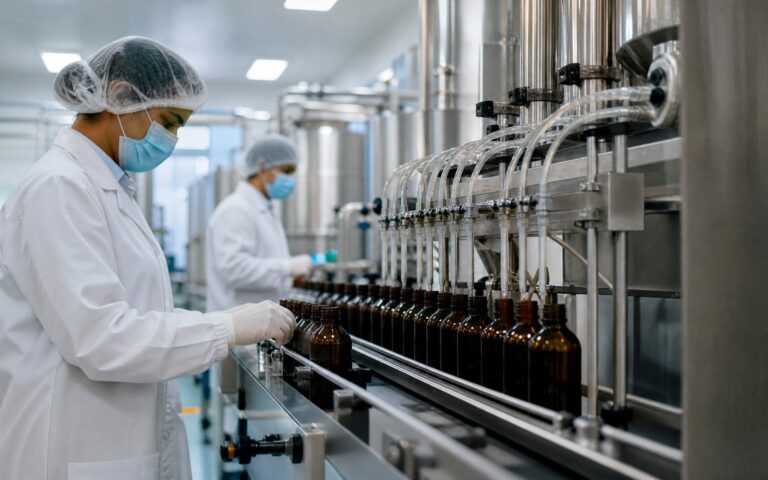 How to Set Up a Liquid Pharmaceutical Facility?
Discover the necessary steps and considerations for establishing liquid pharmaceutical production facilities. Get guidance on quality management systems…
Read more
-
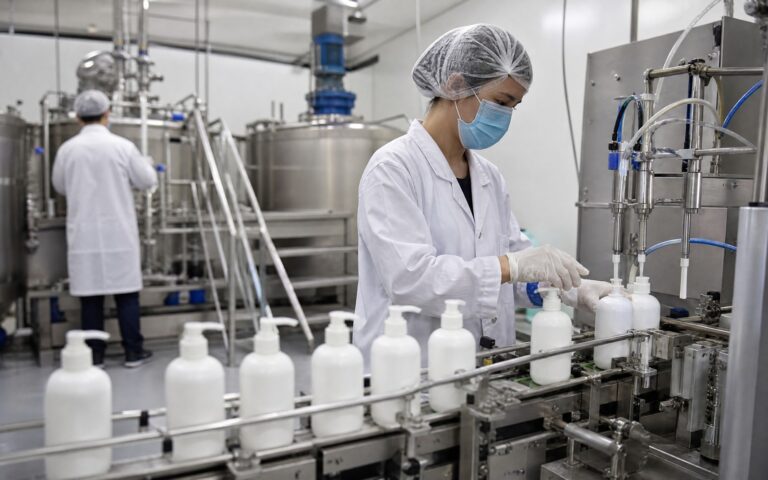 How to Establish a Liquid Soap Production Factory?
A comprehensive guide on what to consider, processes, and costs involved in establishing a liquid soap production factory.
Read more
-
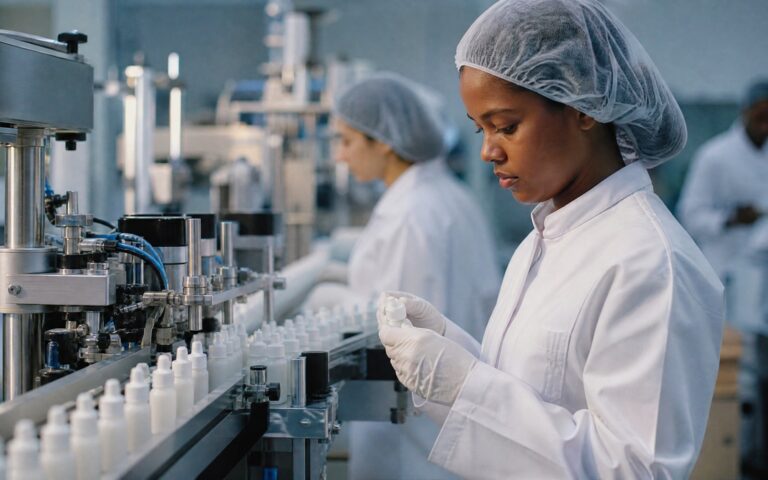 How to Establish a Liquid Filling Production Factory?
Explore the sectors, products, and process steps in the establishment of a liquid filling production factory.
Read more
-
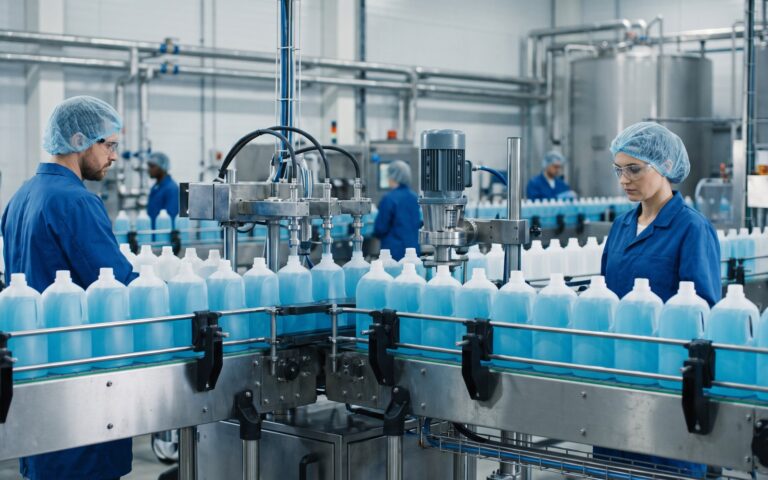 How to Set Up a Liquid Detergent Production Line?
Explore the steps to set up a liquid detergent production line, environmentally sensitive formulation processes, and the necessary…
Read more