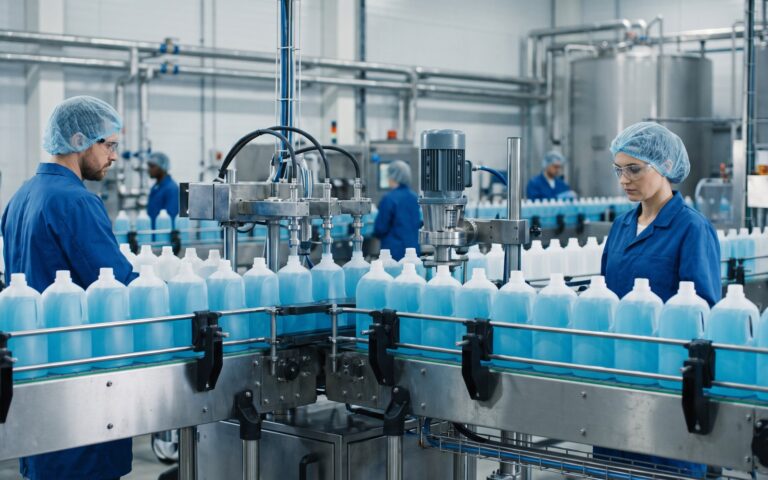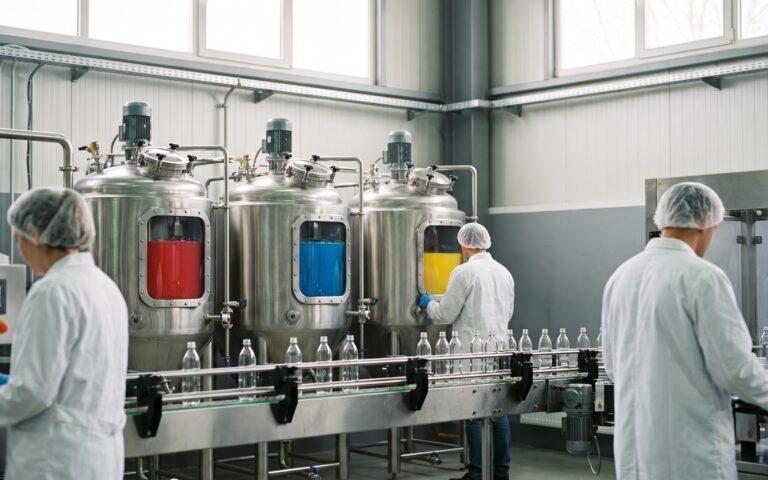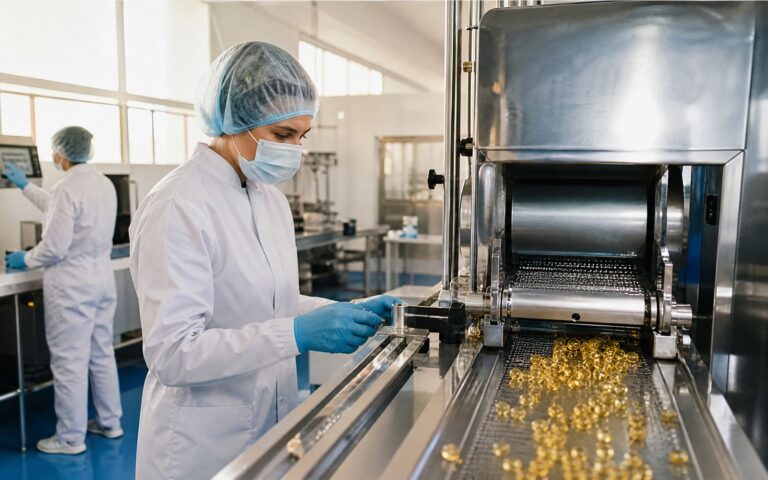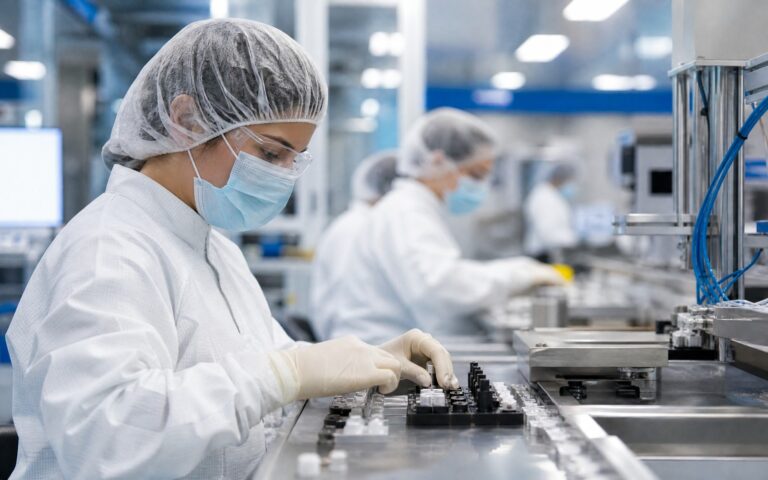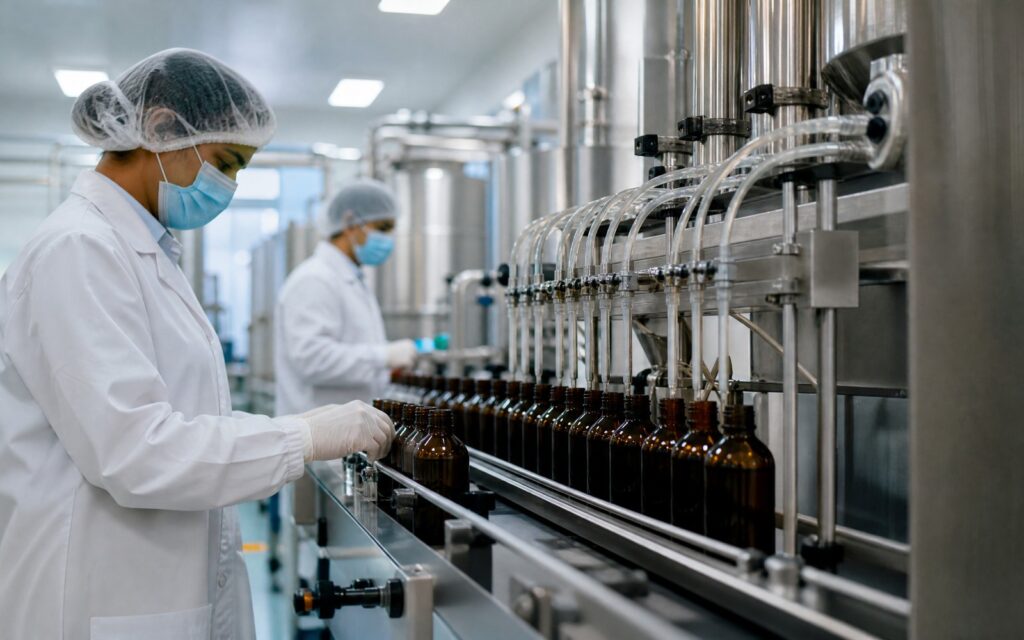
Liquid pharmaceutical production facilities play a significant role in the pharmaceutical industry. The establishment of such facilities is not limited to the physical construction of the production line; it also includes critical elements such as the integration of quality management systems, regulatory compliance, and the creation of an audit-ready structure. In this guide, we will examine how to establish liquid pharmaceutical production facilities, the steps to be followed, and the important points to consider.
You can review the services we provide, from design to commissioning, on our Human, Veterinary and Traditional Herbal Medicine Production page.
Sectors and Products Covered
Liquid pharmaceutical production facilities can be designed to have the capacity to produce for various sectors. The main sectors covered include human pharmaceuticals, veterinary medicines, traditional herbal medicines, and aromatherapy products. The product forms that can be produced include liquid medications such as syrups, solutions, suspensions, and emulsions. Especially liquid medications are commonly used for both oral and topical applications.
Establishment Process of Liquid Pharmaceutical Production Facilities
The establishment of liquid pharmaceutical production facilities consists of a series of complex and careful steps. This process typically includes the following steps:
1. Needs Analysis and Planning
The first step in establishing a facility is to start with a needs analysis. At this stage, the types of products to be produced, capacity, and market requirements are determined. Accurately analyzing the needs is critical to ensure that the facility operates efficiently and sustainably. The needs analysis also evaluates the future expansion possibilities of the facility.
2. Design and Engineering
After the needs analysis, the design and engineering work of the facility begins. At this stage, the layout of the facility, production lines, storage areas, and logistics flows are detailed. During the design phase, compliance with quality standards such as GMP (Good Manufacturing Practices) and HACCP (Hazard Analysis and Critical Control Points) must be ensured. Additionally, it is important for the facility to be equipped with energy efficiency and environmentally friendly practices.
3. Permits and Legal Requirements
Necessary legal permits and documents for the establishment of the facility must be obtained. This process includes permits that need to be obtained from local and national authorities, environmental impact assessments, and approvals from the Ministry of Health. Proper and timely management of the permit processes ensures that the project is completed without delays. Neglecting legal requirements can lead to serious penalties.
4. Construction and Installation
After the design and permit processes are completed, the physical construction of the facility begins. The construction process may vary depending on the size and complexity of the facility. After the construction is completed, the installation of production equipment begins. At this stage, calibration and validation of the devices must be performed. Proper installation of the equipment directly affects the efficiency of the production processes.
5. Quality Management System and Regulatory Compliance
A strong quality management system must be established for the production facility to operate effectively. This system ensures the continuous monitoring and improvement of production processes. Additionally, necessary procedures and documentation for regulatory compliance must be prepared. At this stage, you can accelerate the process by benefiting from our Turnkey Production Facilities service. The quality management system is a critical tool for increasing customer satisfaction.
6. Training and Personnel Development
To ensure the efficient operation of the facility, training and enhancement of personnel competencies are required. Training programs should cover topics such as compliance with GMP standards, equipment usage, and emergency procedures. The competency of the personnel directly affects production quality and the overall safety of the facility.
Requirements and Standards
During the establishment of liquid pharmaceutical production facilities, certain requirements and standards must be met. These requirements ensure that the facility operates safely, effectively, and in compliance with the law.
GMP and HACCP Compliant Production
Compliance with GMP and HACCP standards in pharmaceutical production is critical for ensuring product quality and patient safety. These standards require the establishment of control and monitoring mechanisms at every stage of the production processes. Compliance processes should be supported by regular audits.
ISO Standards
Quality management system standards such as ISO 9001 enhance the overall quality and efficiency of the facility. Compliance with these standards increases customer satisfaction and competitiveness. Additionally, environmental management standards such as ISO 14001 can help minimize the environmental impacts of the facility.
Environmental and Safety Standards
Compliance with environmental sustainability and occupational safety standards is important for the long-term success of the facility. Necessary measures should be taken regarding waste management, energy efficiency, and occupational health and safety. These standards contribute to both reducing environmental impacts and ensuring the safety of employees.
Costs and Duration
The establishment of liquid pharmaceutical production facilities may require high initial costs and a long time frame. Costs vary depending on the size, location, and technology used in the facility. Typically, such projects can take between 12 to 24 months. Proper management of costs is critical for the success of the project.
CAPEX and OPEX
Initial capital expenditures (CAPEX) include items such as the construction of the facility and the purchase of equipment. Operational expenditures (OPEX) cover the daily operating costs of the facility. Both types of costs should be carefully planned and managed. Cost planning is important for ensuring long-term financial sustainability.
Common Mistakes and Considerations
Common mistakes made during the establishment of liquid pharmaceutical production facilities can negatively affect the success of the project. Some points to consider to avoid these mistakes include:
- Inadequate Planning: Incomplete or faulty planning at the beginning can lead to serious problems in later stages. Proper planning ensures the effective use of resources.
- Regulatory Non-compliance: Failure to comply with legal requirements can lead to the halt of production processes or penalties. Compliance processes should be regularly reviewed.
- Lack of Training: Insufficient training of personnel can reduce production quality and increase safety risks. Training programs should be continuously updated.
- Inadequate Quality Management System: The absence of an effective quality management system can lead to decreased product quality and customer dissatisfaction. Continuous improvement processes should be implemented.
As discussed in this guide, the establishment of liquid pharmaceutical production facilities is a complex process that requires careful planning. When the right steps are taken, such facilities can provide significant competitive advantages in the long run.
Related guides: How to Establish Veterinary Drug Manufacturing Facilities?, How to Set Up Granule Production Facilities? and How to Set Up Tablet Coating Production Facilities?.