
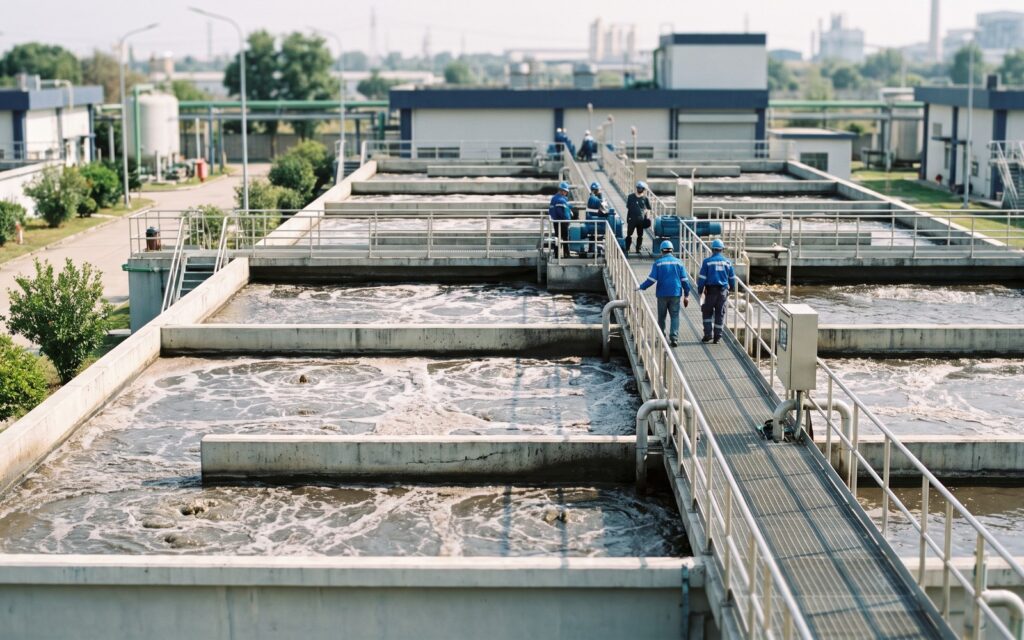
Municipal Wastewater Treatment Plants Solutions
Water treatment solutions and project examples for municipal wastewater treatment plants. Enhance water quality with projects tailored to your needs.
Get free consulting for your Municipal Wastewater Treatment Plants project
Municipal wastewater treatment plants play a critical role in sustainable water management for cities. These facilities contribute to clean water resources by treating wastewater and minimizing environmental impacts. Municipal administrations, water and sewage agencies, drinking water treatment facilities, infrastructure development firms, environmental engineering companies, water management consulting firms, public utility providers, and environmental protection associations play active roles in this sector.
Wastewater treatment plants gain even more importance with the increasing populations of cities. To reduce water pollution and protect natural resources, municipalities need efficient and sustainable treatment solutions. These solutions aim for the safe treatment of wastewater and the recyclability of water. In this process, advanced technologies and innovative practices are of critical importance.
Municipal wastewater treatment plants typically consist of various stages. The quality of water is enhanced through chemical, biological, and physical treatment processes. The efficiency of the equipment used in these processes determines the overall performance of the facility. Issues such as sludge management, energy consumption, and compliance with discharge standards should also be considered. The correct technology and equipment must be selected for the facility to operate efficiently.
The design and installation of wastewater treatment facilities is a process requiring expertise. Municipalities ensure the best planning and implementation of facilities by working with experienced teams in this field. The success of projects is possible through the integration of correct engineering solutions and innovative technologies. Factors such as treatment capacity, energy savings, and sustainability affect the long-term success of the facility.
Municipal wastewater treatment projects must be designed in accordance with environmental regulations. Water pollution control, protecting environmental health, and sustainable water management are the main objectives of these projects. In this process, it is important to comply with national and international standards. Project teams carry out comprehensive planning to meet these requirements and meticulously manage the implementation processes.
- Design of wastewater treatment facility
- Installation of chemical treatment systems
- Integration of biological treatment processes
- Procurement of physical treatment equipment
- Sludge management systems
- Energy-efficient treatment solutions
- Facility design compliant with discharge standards
- Water recovery systems
- Projects for increasing treatment capacity
- Compliance projects with environmental regulations
- Advanced technology treatment systems
- Sustainable water management solutions
The scope of wastewater treatment projects is determined by various technical and environmental factors. Municipal wastewater treatment plants require continuous development and innovation to ensure the safe and effective treatment of water. These projects are critically important for environmental sustainability and public health.
Example Project Scenario
A project to be carried out at municipal wastewater treatment plants may consist of several stages. For example, a municipality may want to increase its current treatment capacity and enhance energy efficiency. In this case, the project could include the following steps:
- Evaluation of the existing facility and needs analysis →
- Creating a design plan for the integration of new technologies →
- Procurement and installation of necessary equipment →
- Training of personnel and commissioning of new systems →
- Monitoring and reporting of system performance →
- Optimizing energy savings and treatment capacity →
- Completion of the project and providing support for sustainable operation
Municipalities can achieve sustainable management of water resources by benefiting from integrated solutions for wastewater treatment plants. Well-planned projects reduce environmental impacts and protect public health. By working with expert teams in this field, municipalities can manage water treatment processes most efficiently.
How We Can Help
Chemical Treatment Systems Project
Chemical treatment systems enhance treatment efficiency by optimizing the pH balance and pollution levels of water. This project offers chemical treatment solutions suitable for municipal needs.
Biological Treatment Project
Biological treatment processes facilitate the natural decomposition of organic materials. These projects involve establishing the necessary systems for biological treatment of wastewater.
Physical Treatment Equipment Project
Physical treatment equipment separates solid substances from water. This project develops filtration and sedimentation systems suitable for the facility's needs.
Sludge Management System Project
Sludge management is a crucial part of the treatment process. This project creates systems that ensure safe management of sludge.
Energy Efficient Treatment Project
Energy saving is critical for the sustainability of water treatment facilities. This project includes the integration of new technologies to enhance energy efficiency.
Compliance with Discharge Standards Project
Compliance with discharge standards requires adherence to environmental regulations. This project aims to align treatment processes with these standards.
Water Recovery System Project
Water recovery systems enable the reuse of treated water. This project develops the necessary infrastructure to make water recoverable.
Treatment Capacity Increase Project
Increasing treatment capacity is essential to meet rising water needs. This project offers solutions to enhance the facility's capacity.
Environmental Regulations Compliance Project
Compliance with environmental regulations is essential for the success of treatment projects. This project ensures that the facility meets environmental standards.
Advanced Technology Treatment System Project
Advanced technology treatment systems increase the efficiency of water treatment. This project aims to integrate the latest technologies into facilities.
Sustainable Water Management Project
Sustainable water management is essential for long-term environmental protection. This project develops strategies focused on sustainability for water management.
Which of these solutions fits your Municipal Wastewater Treatment Plants project?
Get a free initial assessment and we'll identify the right solution for your project. We reply within 24 hours.
Frequently Asked Questions
How long does the project last?
The project duration varies depending on the scope of the project and the size of the facility. Generally, a comprehensive treatment plant project can take several months to a year.
How is the cost determined?
The cost is determined based on the scale of the project, the technologies used, and the requirements of the facility. A detailed feasibility study is required for cost estimation.
What does the project scope include?
The project scope includes stages such as facility design, equipment procurement, installation, personnel training, and system integration. Each project is customized according to specific needs.
How do we get started?
Firstly, a needs analysis should be conducted for the project initiation. This analysis helps determine the scope of the project and the necessary resources. Afterwards, detailed planning is made.
What technologies can be used?
In wastewater treatment projects, chemical, biological, and physical treatment technologies can be utilized. Additionally, advanced technologies that enhance energy savings and enable water recovery are also preferred.
How is compliance with regulations ensured?
Projects are designed in compliance with national and international environmental regulations. This compliance is achieved through detailed planning and continuous monitoring.
How is energy saving ensured?
Energy saving is achieved through efficient equipment usage and process optimization. Solutions that minimize energy consumption are integrated into the projects.
How can we increase treatment capacity?
To increase treatment capacity, the existing infrastructure of the facility is assessed, and necessary improvements are made. New systems and technologies are integrated to enhance capacity.
How is sustainability ensured?
Sustainability is achieved through strategies that minimize environmental impacts and optimize resource use. Long-term planning and continuous development support sustainability.
Request a Quote for Your Project
Our experts are ready to design a solution around your requirements.
Contact Get in Touch Our projects →Related Services
Related Guides
Guides on setup, costs and regulations
-
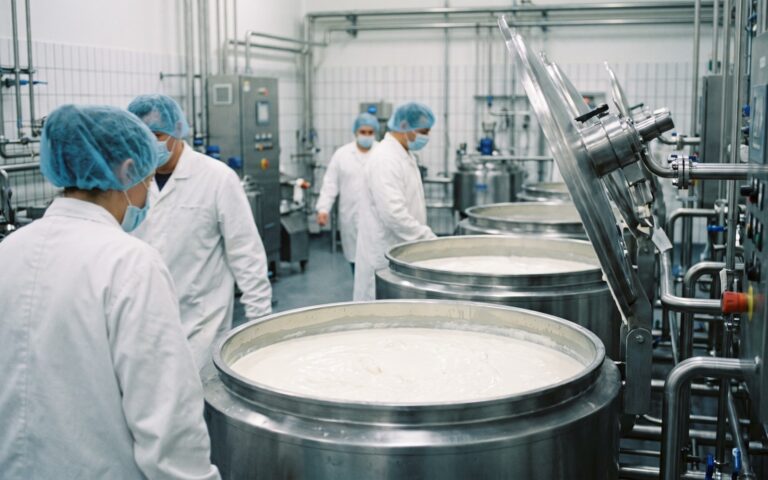 How to Establish Emulsion Production Facilities?
A detailed guide for establishing emulsion production facilities, ensuring quality management and regulatory compliance. The process, costs, and…
Read more
-
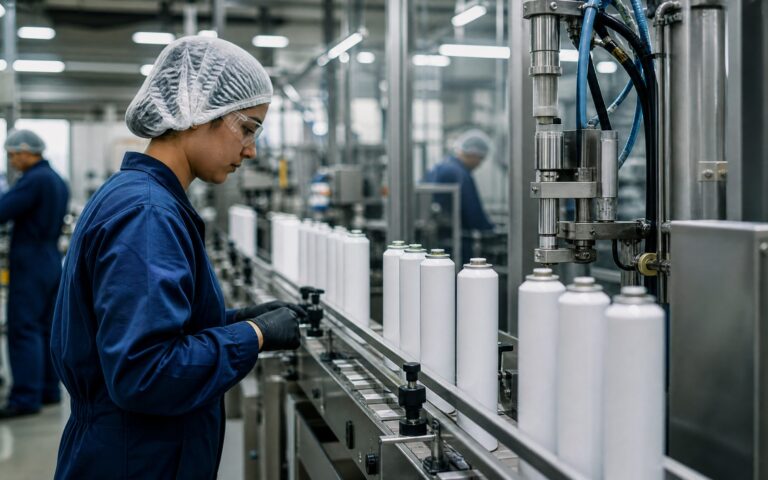 How to Set Up a Spray Production Line?
Explore the steps to be followed in setting up a spray production line along with industry requirements. Increase…
Read more
-
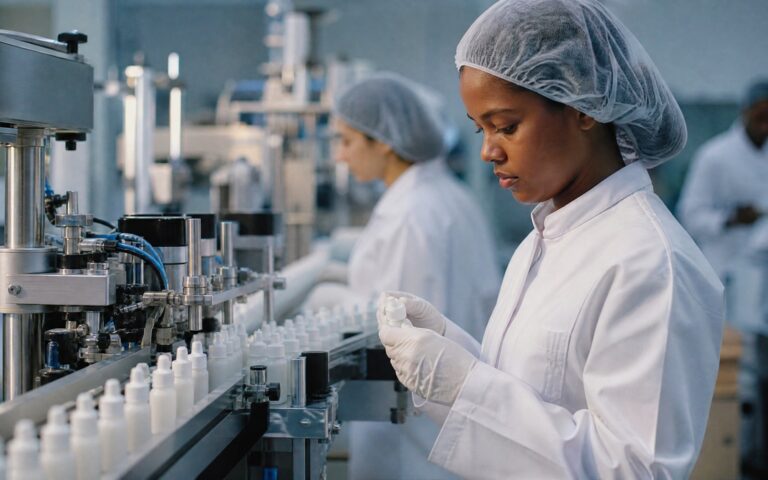 How to Establish a Liquid Filling Production Factory?
Explore the sectors, products, and process steps in the establishment of a liquid filling production factory.
Read more
-
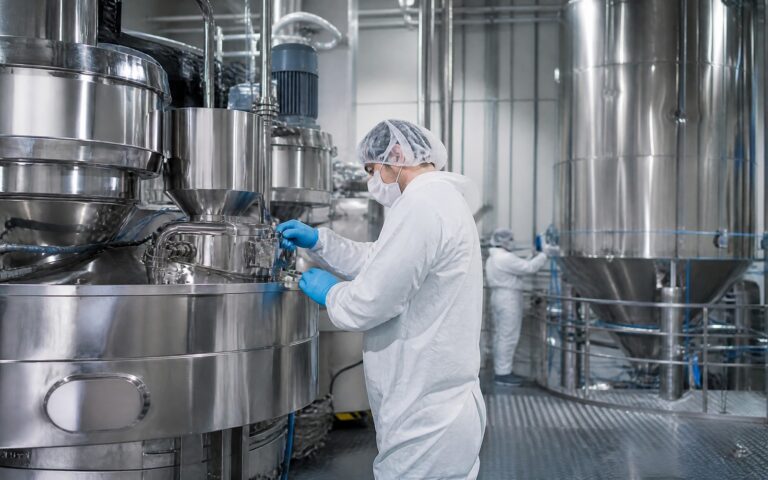 How to Establish Powder Production Facilities?
You can find the steps required for the turnkey installation of powder production facilities, regulatory compliance, and quality…
Read more