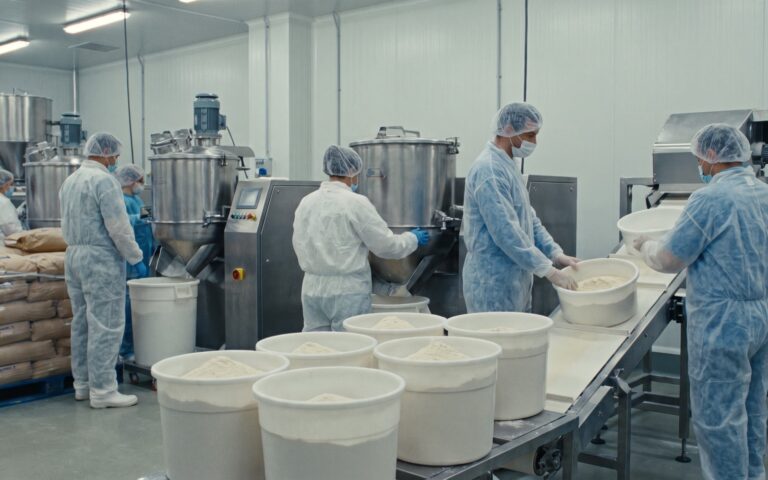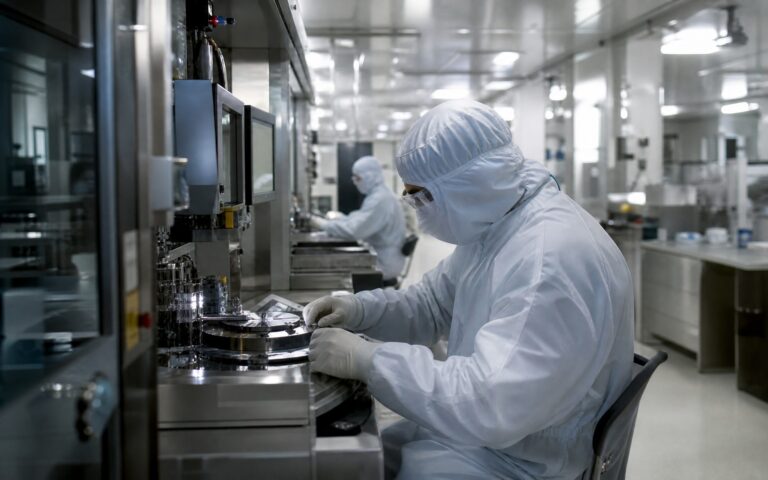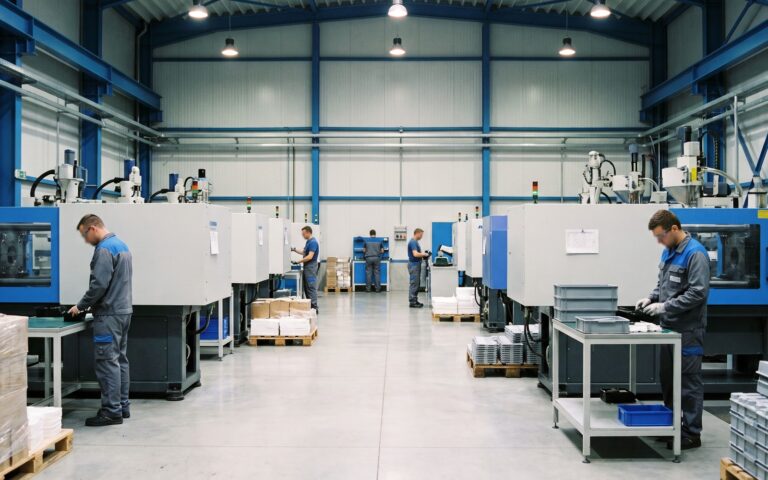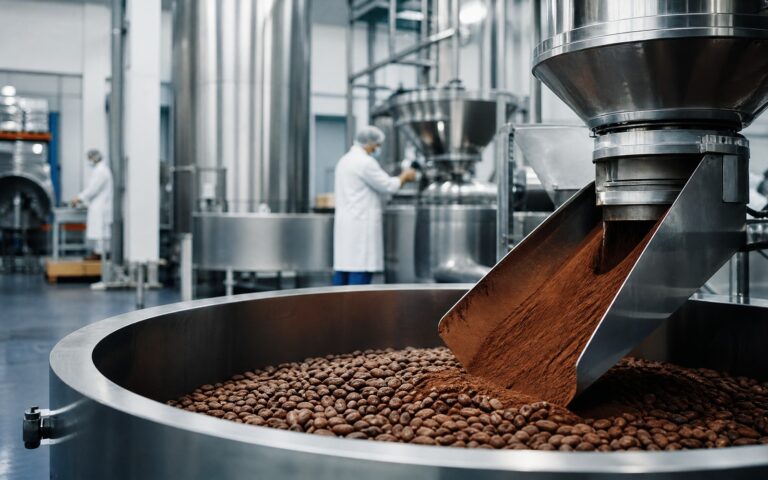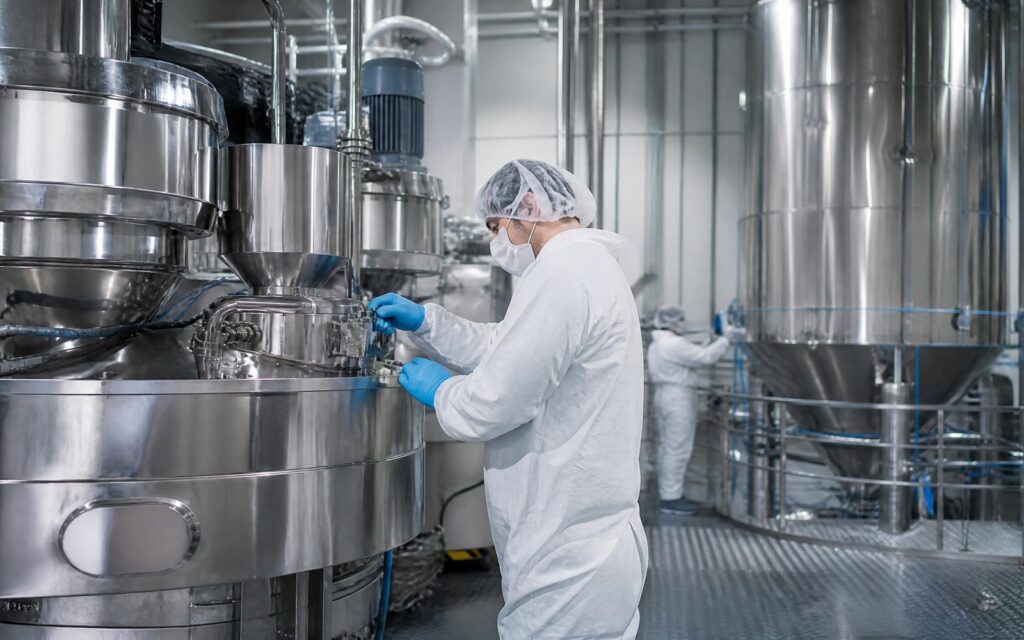
Establishing powder production facilities for medium and large-scale enterprises is a complex process that requires careful planning. These types of facilities are commonly used in the food, cosmetics, and chemical sectors. Turnkey solutions provide great convenience to businesses in this process. However, there are many important factors to consider before starting such a project. In this article, we will provide detailed information on the turnkey installation of powder production facilities, quality management, regulatory compliance, and validation processes.
You can review the services we provide, from design to commissioning, on our Nutritional Supplement Production page.
Sectors and Products Covered
Powder production facilities have a wide range of applications across different sectors. The main sectors include:
- Food sector: Protein powders, baby foods, instant soup mixes
- Cosmetic sector: Powders, face masks, dry shampoos
- Chemical sector: Detergent powders, industrial chemicals
- Pharmaceutical sector: Tablet powders, capsule contents
The products produced in these facilities are generally in the form of homogeneous mixtures, granules, and free-flowing powders. Each product type may require different production lines and equipment.
Establishment Process of Powder Production Facilities
The establishment of powder production facilities typically consists of several key stages. These stages encompass processes from planning the facility to its commissioning.
1. Needs Analysis and Planning
The first step is to determine criteria such as the facility’s capacity, production goals, and product variety. At this stage, it should be clarified which sectors the facility will serve and which products will be produced. A needs analysis is critical for the correct equipment selection and layout plan.
2. Design and Engineering
The design phase of the facility includes issues such as the layout of production lines, equipment selection, and planning of building infrastructure. At this stage, compliance with standards such as GMP (Good Manufacturing Practices) and HACCP (Hazard Analysis and Critical Control Points) should be ensured. The Turnkey Production Facilities page offers a comprehensive guide for this process.
3. Equipment Procurement and Installation
Choosing the right equipment directly affects production capacity and product quality. The installation of equipment should be done according to engineering plans, and all systems should be integrated. At this stage, energy efficiency and environmental impacts should also be considered.
4. Qualification and Validation
After the facility’s installation is completed, qualification and validation processes are initiated. This process verifies that the facility operates as designed and that product quality meets expectations. Validation should be supported by documentation and testing.
5. Training and Audit
Training personnel is a critical step for operating the facility effectively and safely. Additionally, regular audits of the facility and maintenance of the quality management system are necessary.
Requirements and Standards
During the establishment of powder production facilities, compliance with certain standards must be ensured. These standards are necessary to guarantee product quality and facility safety.
GMP and HACCP Applications
GMP and HACCP are critical standards in the food and cosmetic sectors. GMP ensures that production processes are managed safely and effectively, while HACCP controls potential hazards that may threaten product safety.
Regulation and Licensing
To operate, the facility must comply with relevant legal regulations and licenses. This may encompass both local and international regulations. Compliance, especially for exporting companies, plays a critical role in market entry.
Cost and Time Management
Establishing powder production facilities requires significant investment, and costs can vary depending on the size of the facility, capacity, and technology used.
Cost Components
Costs generally consist of items such as equipment procurement, construction and infrastructure work, personnel training, and licensing. Each of these components affects the total investment cost.
Timeline
The installation of the facility typically takes a period ranging from several months to a year. This timeframe can vary based on the scope of the project, equipment procurement duration, and the speed of construction work.
Common Mistakes and Considerations
Common mistakes made during the establishment of powder production facilities can adversely affect the project’s success. These mistakes often arise from shortcomings in the planning phase, errors in equipment selection, or failure to comply with regulations.
- Planning Shortcomings: Inadequate needs analysis and incorrect capacity planning can reduce the efficiency of the facility.
- Incorrect Equipment Selection: Equipment unsuitable for product characteristics can cause disruptions in the production process.
- Regulatory Non-compliance: Failure to comply with legal requirements can lead to severe penalties and operational disruptions.
To avoid these mistakes, it is important to work with an experienced consulting firm and to receive support from experts in production facilities.
Related guides: How to Set Up a Supplement Production Facility for Energy?, How to Set Up a Capsule Production Line? and How to Set Up a Soft Gel Production Factory?.