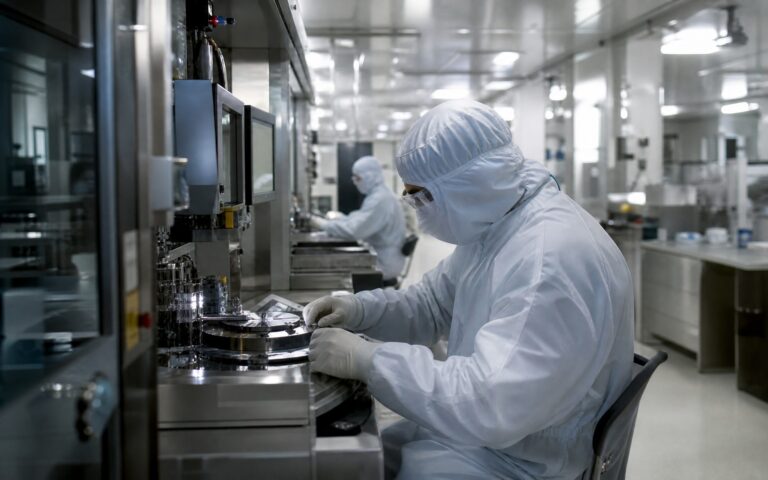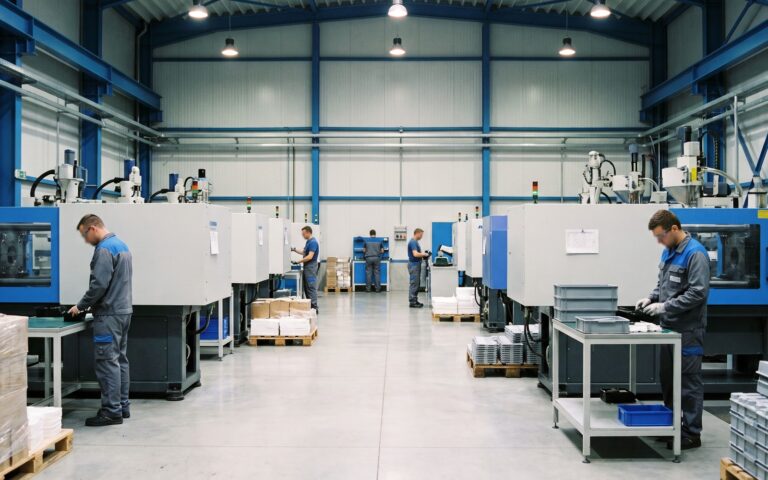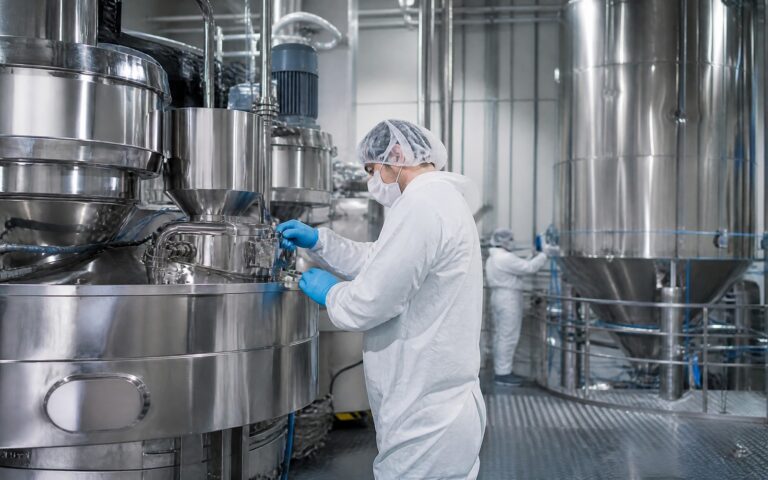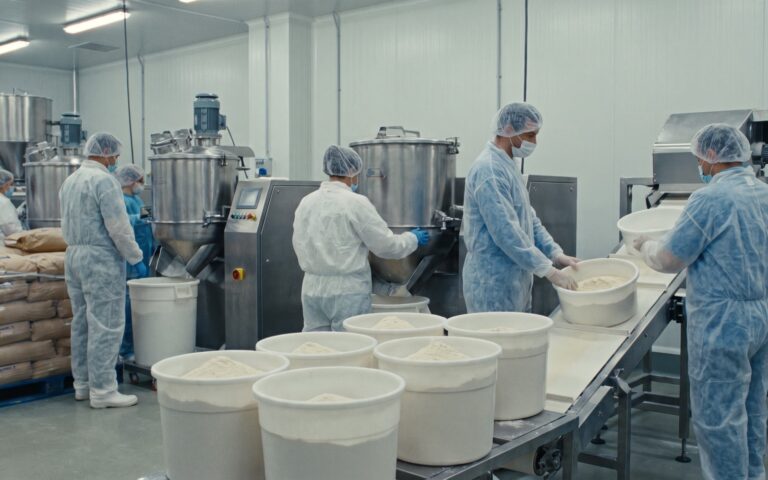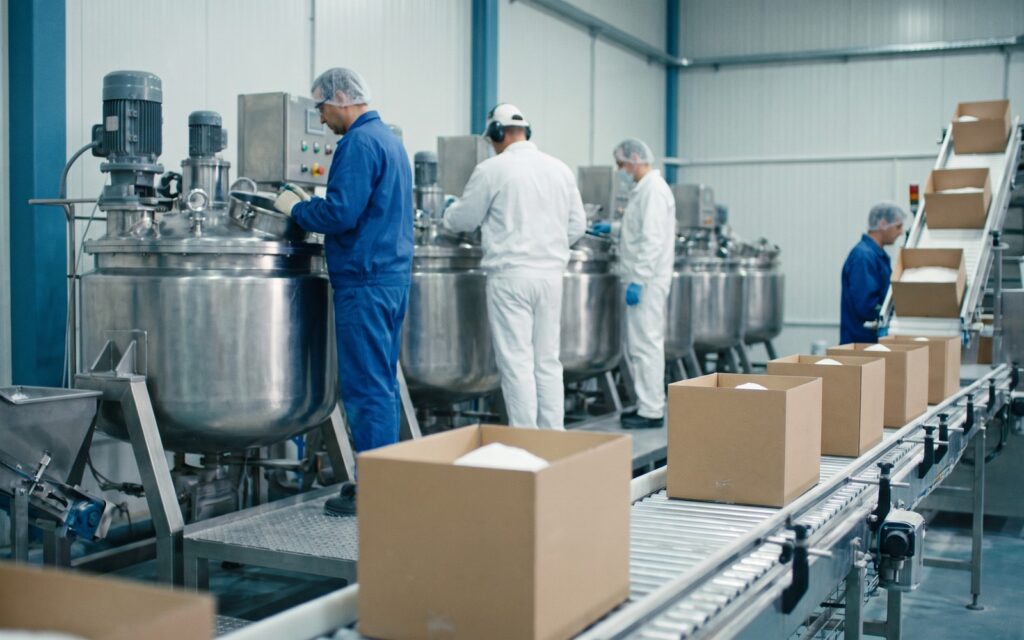
Establishing a detergent production factory is an important step for entrepreneurs looking to enter the cleaning products sector. This process consists of a series of steps that require detailed planning and proper strategies. Detergent production offers a wide range of products, and therefore, a successful facility can be established by taking the right steps. In this guide, we will discuss the process of setting up a detergent production factory, the sectoral requirements, costs, and common mistakes.
You can review the services we provide, from design to commissioning, on our Biocidal Product Production page.
Sectors and Products Covered
Detergent production factories serve a wide range in the cleaning products sector. This sector varies from household cleaning products to industrial cleaning products. In particular, the following product forms and sectors are included:
- Household Cleaning Products: Laundry detergents, dishwashing detergents, general surface cleaners, glass cleaners.
- Industrial Cleaning Products: Industrial cleaners, disinfectants, heavy dirt and grease removers.
- Personal Care Products: Soaps, shampoos, shower gels.
- Hotel Amenities: Hotel-style shampoos, lotions, shower gels, soaps.
These products are essential for both household users and commercial businesses, each coming with its own production processes and quality standards.
Process of Setting Up a Detergent Production Factory
The process of setting up a detergent production factory consists of a series of complex steps. Important points to consider in this process include:
1. Permits and Licenses
Before starting the factory establishment, all necessary permits and licenses must be obtained. These permits should be obtained from local authorities, environmental protection agencies, and health authorities. Especially, environmental permits are critical to conduct environmentally-sensitive production.
The permit processes should be carried out in accordance with the local regulations of the area where the factory will be located. Environmental permits are particularly important regarding water use and waste management. Additionally, necessary approvals must be obtained from health authorities to ensure compliance with health and safety standards of the production facility.
2. Facility Design and Planning
A good design and planning are essential for the efficient operation of the facility. The layout of production lines, storage areas, laboratories, and offices must be carefully planned. Turnkey Production Facility services provide professional support at this stage.
The facility design should be made to maximize production capacity. Production lines should be positioned to optimize the processes from raw material intake to finished product output. Storage areas should have sufficient capacity to safely store both raw materials and finished products.
3. Selection of Machinery and Equipment
The selection of machinery and equipment to be used for detergent production is important in terms of production capacity and product variety. Equipment such as automatic filling machines, mixers, and packaging machines increase the efficiency of the production process.
When selecting machinery and equipment, production capacity and product variety should be considered. High-capacity mixers are essential for obtaining a homogeneous mixture. Filling machines ensure that products are packaged in the correct amounts. Packaging machines help prepare products securely for shipment.
4. Quality Management System and Regulatory Compliance
A quality management system that complies with international quality standards should be established during factory installation. ISO certifications and GMP (Good Manufacturing Practices) standards guarantee product quality.
The quality management system ensures that quality control mechanisms are applied at every stage of the production process. This system guarantees that products are produced in accordance with established standards and that safe products are offered to consumers. ISO 9001 and GMP certifications provide a competitive advantage in national and international markets.
5. Employee Training and Safety
Employees’ mastery of production processes and safety protocols directly affects production quality and job safety. Therefore, regular training programs and safety drills should be planned.
Employee training aims to ensure the efficient execution of production processes and job safety. Training programs teach employees how to correctly use production equipment and how to act in emergencies. Safety drills prepare employees for potential emergencies.
Requirements and Standards
There are various requirements and standards that must be adhered to in detergent production. These standards have been established to ensure product quality and consumer safety.
GMP and ISO Standards
GMP guarantees hygiene and quality in detergent production, while compliance with ISO 9001 quality management systems increases the efficiency of production processes. These standards provide a competitive advantage in national and international markets.
GMP standards ensure that production processes are conducted under hygienic conditions and that products are produced safely. ISO 9001 quality management systems aim for the continuous improvement of production processes and increased customer satisfaction.
Environmental and Waste Management
To minimize environmental impacts, environmental management systems should be established and waste management should be carried out effectively. This is important for both legal compliance and corporate social responsibility.
Environmental management systems aim to minimize the impact of production processes on the environment. Waste management ensures the disposal of waste generated during production without harming the environment. These processes are important for meeting legal requirements and creating an environmentally friendly production facility.
Costs and Duration
The establishment costs for a detergent production factory vary depending on the size of the facility, the technology used, and the production capacity.
Startup Costs
Startup costs include land and building costs, machinery and equipment purchases, licenses, and permit fees. These costs may vary depending on the region and scale of the plant.
Land and building costs may fluctuate based on the economic conditions of the region where the factory will be established. Machinery and equipment purchases are determined based on production capacity and product variety. License and permit fees should be paid in accordance with local regulations.
Operational Costs
Operational costs cover raw material purchases, energy consumption, personnel salaries, and maintenance expenses. An efficient production process can optimize these costs.
Raw material purchases vary based on production capacity and product variety. Energy consumption can be optimized based on the efficiency of the production processes. Personnel salaries and maintenance costs are important for ensuring the uninterrupted continuation of the production process.
Timeline
The factory setup duration typically ranges from 12 to 24 months. This timeframe includes planning, construction, equipment installation, and inspection processes.
The setup duration may vary based on the size of the factory and the technology used. The planning phase is important for determining the design of the factory and the production processes. The construction process involves the physical establishment of the factory. Equipment installation is necessary for initiating the production processes. Inspection processes check the factory’s compliance with legal requirements.
Common Mistakes
Common mistakes encountered in the establishment of detergent production facilities usually stem from planning deficiencies. Points to consider to avoid these mistakes include:
- Insufficient Planning: Investments made without a good project plan can lead to increased costs and wasted time.
- Lack of Quality Control: The absence of sufficient quality control mechanisms during the production process may lower product quality.
- Lack of Regulatory Compliance: Failure to comply with legal requirements and environmental standards can result in serious penalties.
- Insufficient Training: Employees not receiving adequate training can threaten both the efficiency of the production process and job safety.
To avoid these mistakes and establish a successful detergent production facility, it is important to benefit from professional consulting services. In this process, Turnkey Production Facility services can provide comprehensive support.
Related guides: How to Establish a Liquid Soap Production Factory?, How to Set Up a Liquid Detergent Production Line? and How to Establish Biocidal Product Manufacturing Facilities?.