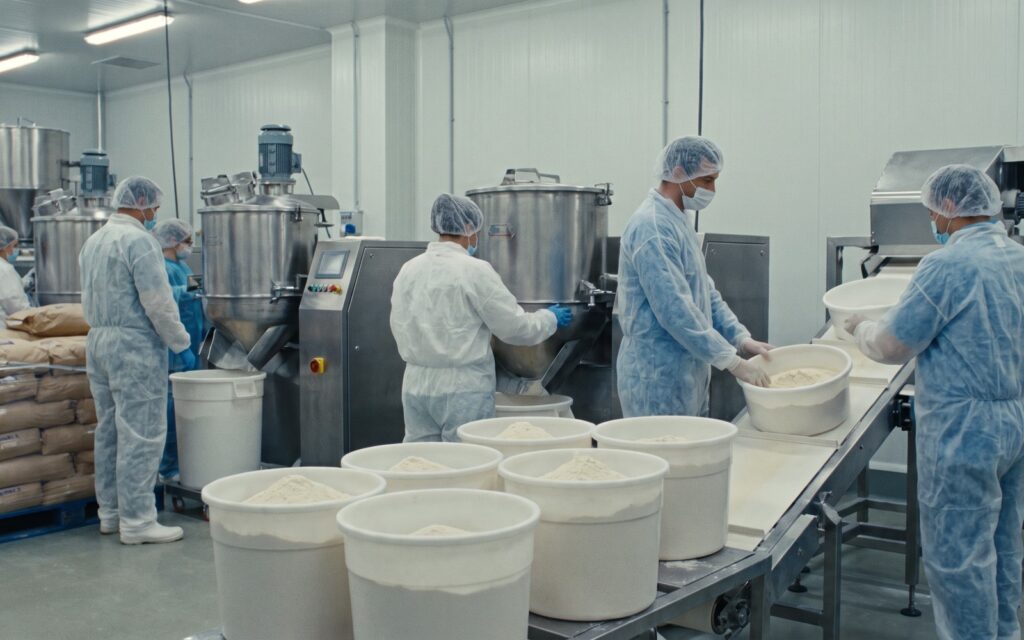
Establishing a protein powder production facility is a complex process that requires consideration of many factors. This process involves bringing together numerous elements, from the physical infrastructure of the facility to quality management systems, regulatory compliance, and production capacity. In highly regulated sectors like food supplements, managing these elements correctly is critical for the sustainability and reliability of the investment.
You can review the services we provide, from design to commissioning, on our Nutritional Supplement Production page.
Sectors and Products Included
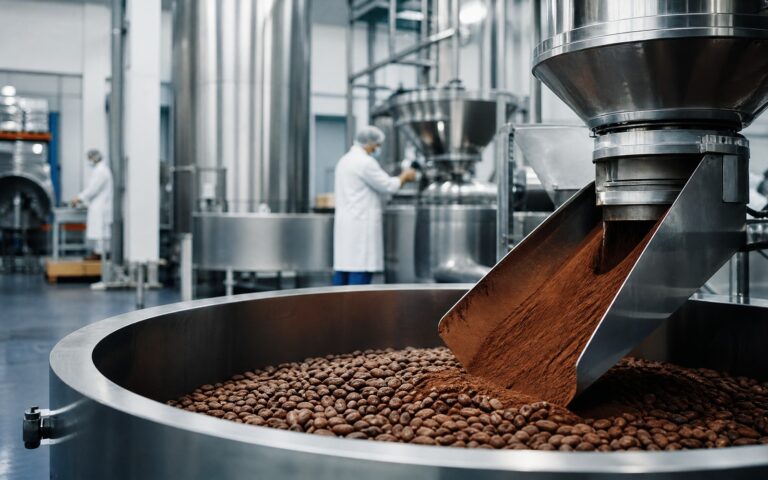
The food supplement sector represents the most important application area in establishing a protein powder production facility. This sector is divided into various subcategories, such as sports nutrition, diet products, and general health supports. The produced product forms include protein powders, amino acid mixtures, and vitamin and mineral complexes. Additionally, these products appeal to a broad consumer base by being enriched with various flavors and formulations.
Process of Establishing a Protein Powder Production Facility
There are steps to be followed to successfully establish a protein powder production facility:
1. Permit and Licensing Processes
The first step is obtaining the necessary permits and licenses. Compliance with local and international regulations is mandatory when it comes to food production. This requires the production facility to be designed according to quality standards such as HACCP and GMP. Obtaining the appropriate licenses is essential for the facility to operate legally.
2. Physical Infrastructure and Facility Design
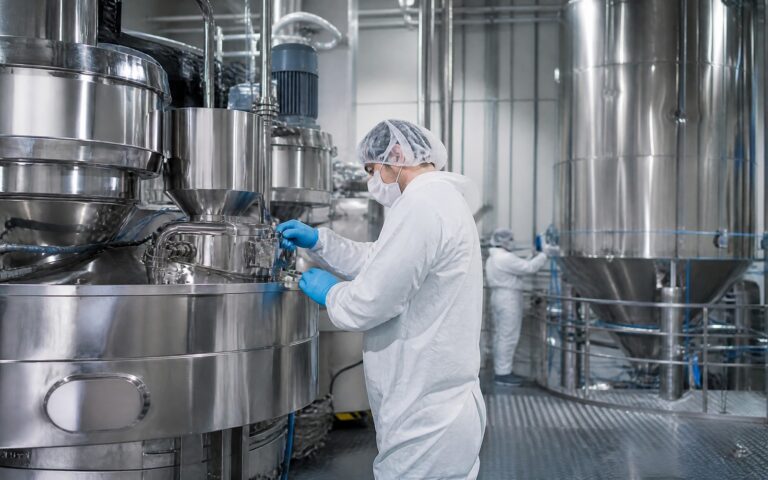
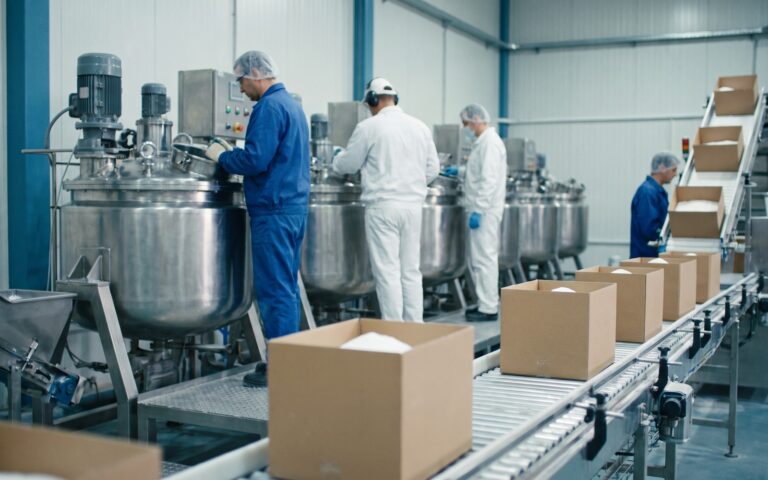
The physical infrastructure of the facility directly affects production capacity and operational efficiency in protein powder production. The design of the facility should take into account the layout of production lines, storage areas, and logistical flows. Additionally, material selection and arrangements should be made in accordance with hygiene standards.
3. Equipment Selection and Installation
Production equipment is a crucial factor that determines product quality and production speed. Specialized equipment such as mixers, dryers, filling, and packaging machines are required for protein powder production. When selecting equipment, criteria such as production capacity, energy efficiency, and ease of maintenance should be considered.
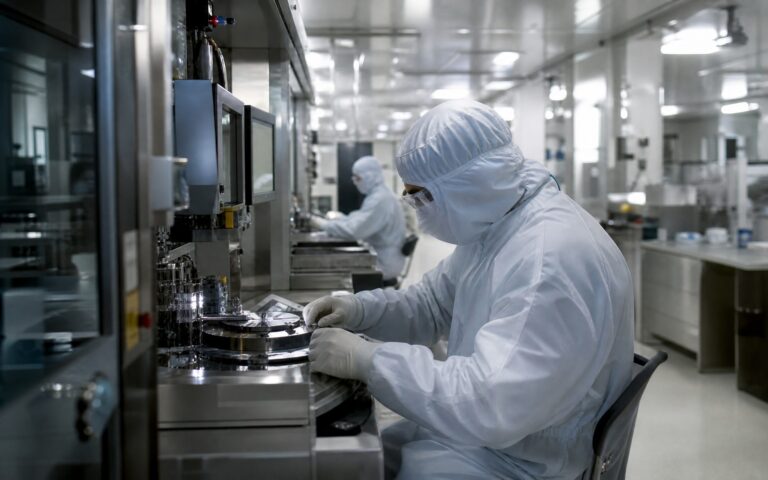
4. Quality Management System and Regulatory Compliance
The quality management system ensures quality at every stage of the production process. This system guarantees that products are continuously produced to high standards. Regulatory compliance is another essential element that is mandatory for products to be brought to market. Turnkey Production Facilities service provides a holistic approach to addressing these requirements.
5. Personnel Training and Management
A trained and experienced personnel team is critical for the efficient and safe execution of the production process. Training staff in quality standards such as GMP and HACCP is essential for preventing production errors and maintaining product quality.
Requirements and Standards
The primary requirements and standards to be adhered to in protein powder production include:
- GMP (Good Manufacturing Practices): Necessary to ensure quality at every stage of the production process.
- HACCP (Hazard Analysis and Critical Control Points): Required to identify and control potential hazards to ensure food safety.
- ISO 22000: A food safety management system standard recognized in the international market.
- FDA Compliance: Facilities intending to export to the United States must comply with FDA standards.
Cost and Duration
The setup costs for a protein powder production facility vary depending on the size of the facility, production capacity, and the quality of the equipment used. CAPEX (Capital Expenditures) analyses are important for determining the return on investment and cost-effectiveness. Moreover, establishing the facility usually takes between 12 to 24 months. This duration may extend depending on the project scope and permit processes.
Common Mistakes and Precautions
Common mistakes made in establishing a protein powder production facility and precautions to avoid these mistakes include:
- Inadequate Planning: Not conducting detailed planning at the start of the project can lead to increased costs and wasted time. Therefore, a comprehensive project plan should be developed.
- Lack of Regulatory Compliance: Failure to comply with necessary regulations can halt the activities of the facility. Therefore, expert consultancy should be sought for regulatory compliance.
- Equipment Selection Errors: Incorrect equipment selection can negatively affect production quality and efficiency. Expert opinions should be considered in equipment selection.
Working with an experienced team for production facility establishment facilitates avoiding such mistakes. Additionally, conducting regular audits and quality control tests throughout the process supports the smooth progress of the production process.
Related guides: How to Establish Powder Production Facilities?, How to Set Up a Supplement Production Facility for Energy? and How to Set Up a Capsule Production Line?.