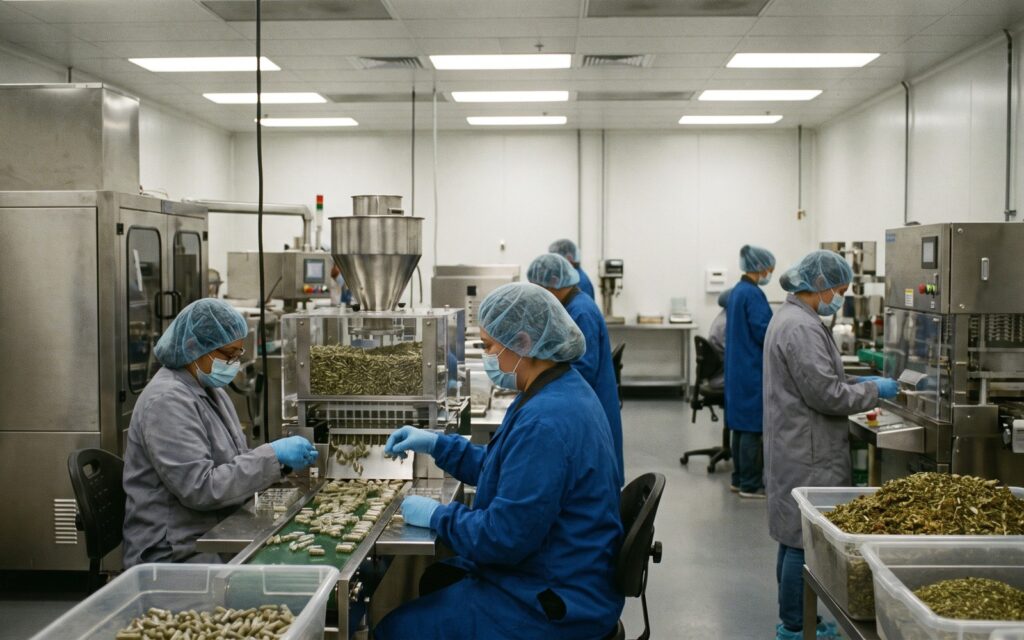
Herbal supplements have gained popularity with the rise of healthy living trends, offering wide opportunities to entrepreneurs looking to produce in this field. However, establishing a herbal supplement production factory requires not only product development but also a production infrastructure that is compliant with regulations, ready for inspection, and sustainable. In this article, we will discuss step by step how to set up a herbal supplement production factory.
You can review the services we provide, from design to commissioning, on our Nutritional Supplement Production page.
Industries and Products Covered
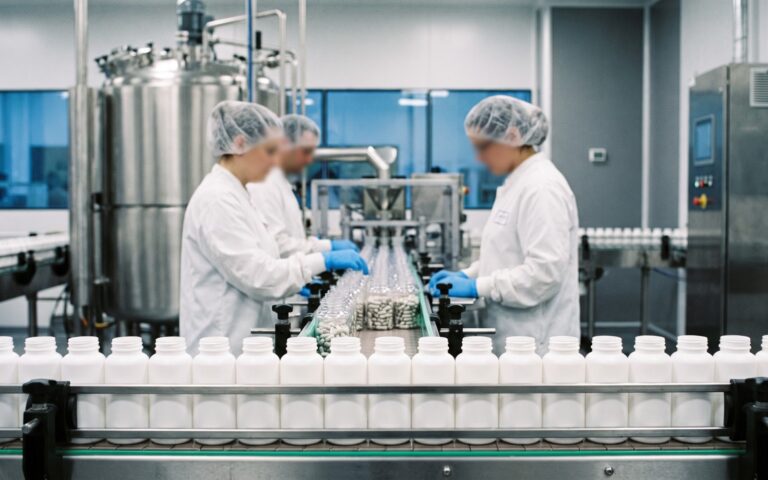
Herbal supplement production factories hold a significant place in the health and food sectors. These facilities encompass a wide range of products, particularly dietary supplements, vitamins, minerals, probiotics, herbal teas, and natural health products. The production lines may include various formulations such as tablets, capsules, powders, liquids, and chewable tablets. Additionally, these facilities are generally designed to comply with international standards such as GMP (Good Manufacturing Practices) and HACCP (Hazard Analysis and Critical Control Points).
Establishment Processes of Herbal Supplement Production Factory
When establishing a herbal supplement production factory, there are several key steps to consider. The first is the physical design and construction of the facility. At this stage, an area suitable for production capacity must be identified, and the facility design should be planned according to production flow and hygiene requirements. During the construction of the facility, energy efficiency and environmental impacts should also be taken into account.
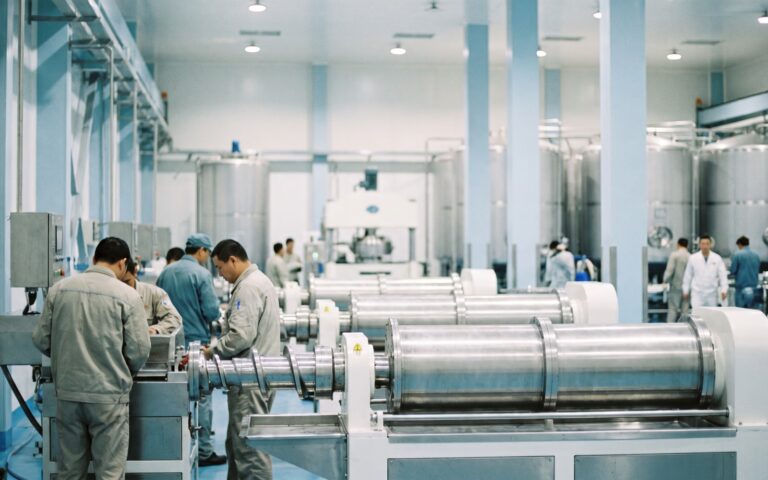
The second step is selecting and installing the necessary equipment. The machines to be used on the production line must be suitable for the types of products to be produced and selected in a way that enhances efficiency. Additionally, necessary arrangements for the cleaning and maintenance of the equipment should be made at this stage. For example, tablet pressing machines, capsule filling machines, and mixers can directly affect the quality of the production process.
The third step is establishing quality management systems. These systems include procedures that guarantee quality at every stage of the production process. Standards like GMP and HACCP, as well as food safety management systems like ISO 22000, can also be implemented. These standards ensure that products are accepted both in local and international markets.
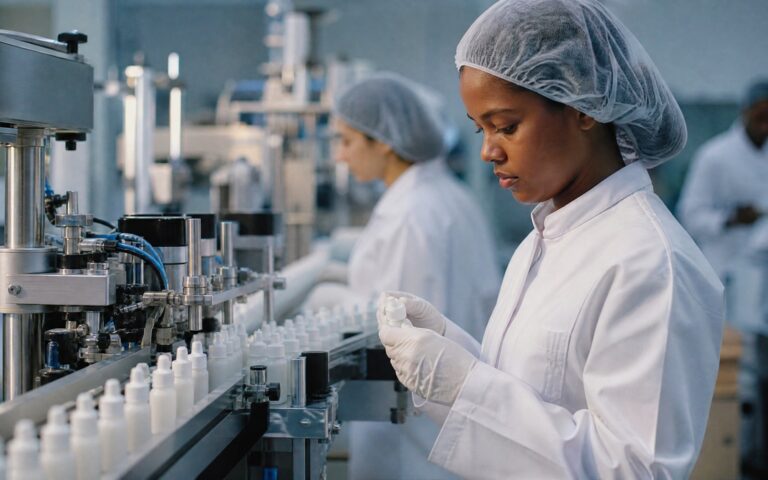
The fourth step is personnel training and certification. It should be ensured that personnel involved in the production process have adequate knowledge about relevant standards and production procedures. Training programs help employees continuously update their knowledge and skills, aiding in maintaining quality at every stage of the production process.
The final step is regulatory compliance and readiness for inspection. Compliance with the regulations of the country where the facility will operate should be ensured, and a structure ready for inspections should be established. At this point, you can benefit from Turnkey Production Facility services to manage all these processes with a professional approach.
Requirements and Standards
Compliance with standards such as GMP and HACCP is mandatory in herbal supplement production. GMP defines the procedures necessary to ensure quality at every stage of the production process. This standard guarantees that products are safe and effective. HACCP, on the other hand, is a food safety management system aimed at identifying and controlling potential hazards in the production process.
Additionally, the production facility may need to comply with international food safety standards such as ISO 22000. This facilitates the acceptance of products in international markets and increases consumer confidence. Compliance with additional standards such as environmental management and occupational health and safety is also important for a sustainable production process.
Costs and Duration of the Process
The setup costs of a herbal supplement production factory vary depending on the size of the facility, production capacity, and technologies to be used. Generally, a significant capital investment is required to set up such a facility. Cost items include land and building costs, equipment purchases, personnel training, and compliance costs with regulations.
The installation duration varies depending on the scope of the project and the size of the facility. The establishment of an average herbal supplement production factory can take between 12 to 24 months when all processes are completed. However, this time can be extended or shortened based on project-specific requirements. For example, factors such as obtaining local permits or procuring special equipment can affect the process.
Common Mistakes and Points to Consider
One of the common mistakes made in establishing a herbal supplement production factory is not sufficiently considering regulatory requirements. This situation may lead to issues during inspections and halt production. Furthermore, making wrong choices in equipment selection can negatively affect production efficiency.
Another common mistake is neglecting personnel training. A lack of training can lead to errors in the production process and reduce product quality. Therefore, it is crucial to continually support personnel with training.
Finally, insufficiently establishing quality management systems can cause quality problems in the production process. To avoid such mistakes, you can seek professional support by utilizing Turnkey Production Facility services.
Sample Scenario: Establishing a Capsule Production Factory
As a sample for establishing a capsule production factory, let’s consider a medium-sized entrepreneur. In the initial stage, the entrepreneur purchases land suitable for production capacity and begins construction of the facility. The design of the facility is planned to ensure the efficient operation of the capsule production line. Capsule filling machines and mixers to be used in the production line are selected according to the production capacity. Additionally, suppliers of raw materials to be used in the production process are determined, and quality control processes are established.
The entrepreneur places importance on personnel training, ensuring that employees work in accordance with GMP and HACCP standards. Training programs help employees better understand production processes and maintain quality. All regulatory permits necessary for the facility to commence operations are obtained, and it is made ready for inspections. During this process, you can effectively manage the establishment process by benefiting from Turnkey Production Facility services.
Related guides: How to Establish a Food Supplement Production Factory?, How to Establish a Protein Powder Production Facility? and How to Establish Powder Production Facilities?.