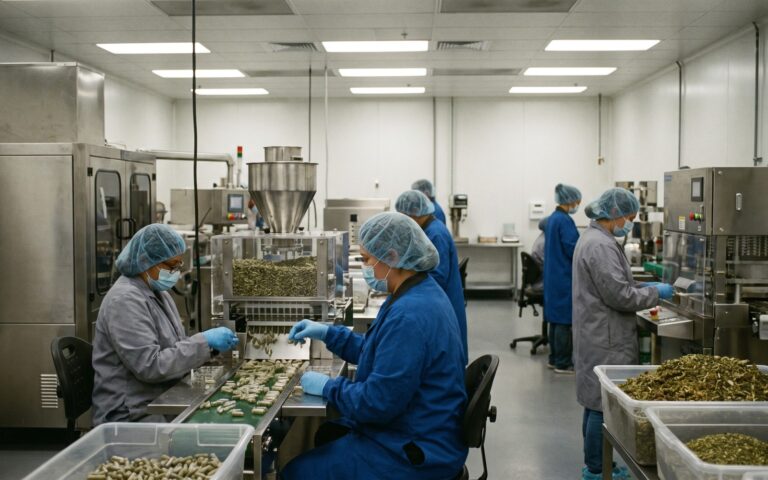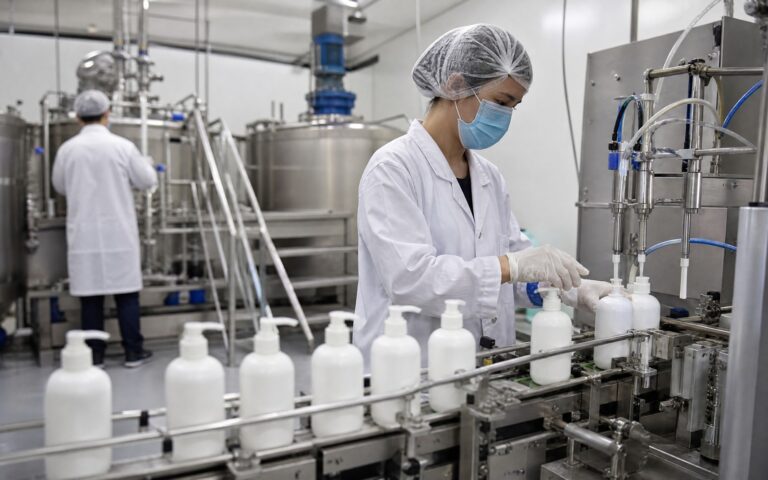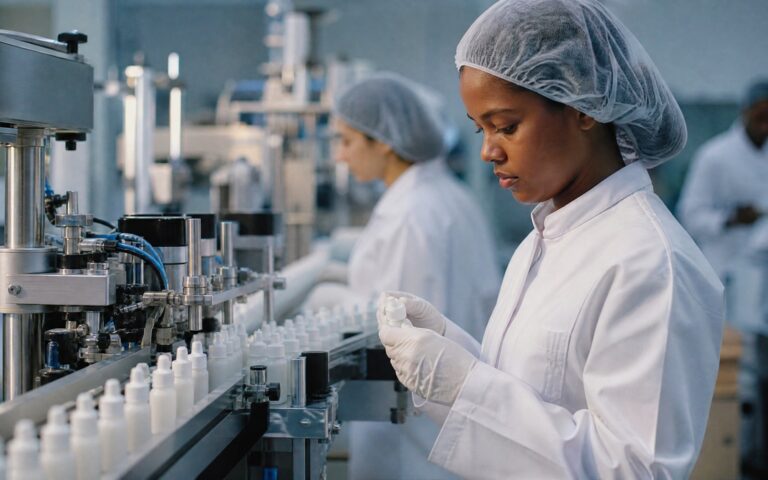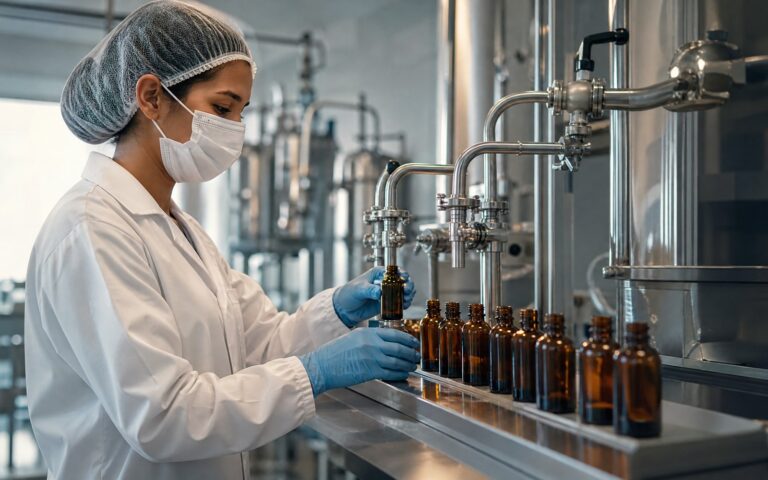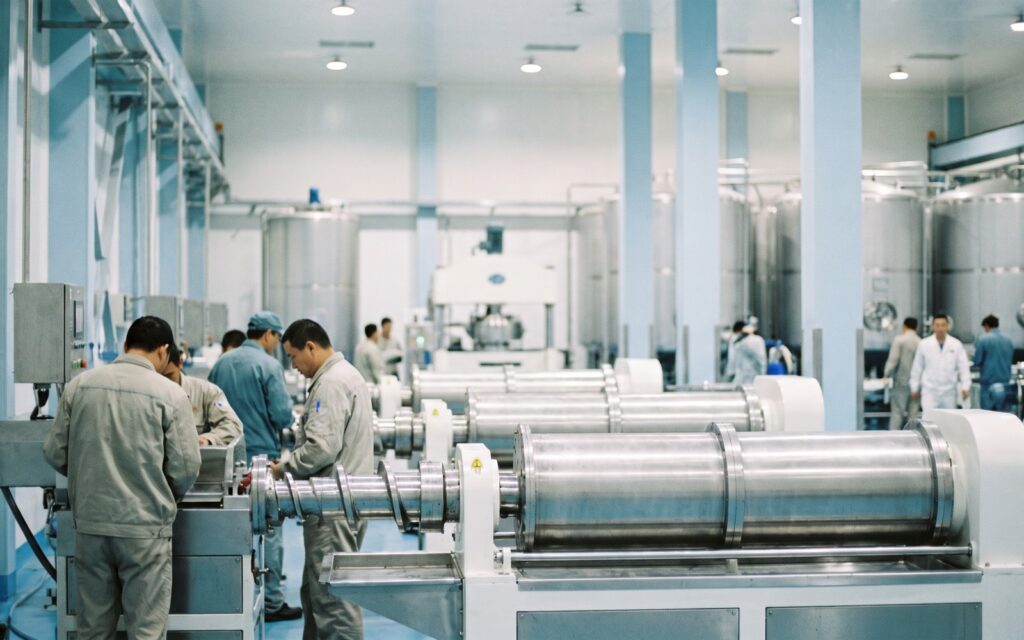
Vegetable oil production facilities are an important part of the food industry. The establishment of these facilities requires careful planning, not only in terms of production capacity and equipment selection but also regarding regulatory compliance and quality management systems. Turnkey production facilities offer investors a comprehensive solution in this process, minimizing the challenges that may arise during the establishment and operation of the facilities.
You can review the services we provide, from design to commissioning, on our Food & Beverage Sector page.
Sectors and Products Covered
Vegetable oil production facilities have a wide range of applications across various sectors. Primarily in the food sector, the cosmetic and pharmaceutical industries can also be considered within this scope. The main product forms produced include various vegetable oils such as olive oil, sunflower oil, canola oil, corn oil, and coconut oil. These products are critical for both household use and industrial production.
Facility Establishment Process
The establishment of vegetable oil production facilities starts with a detailed planning phase. The first step is determining the production capacity. This defines how much oil the facility will produce and at what scale it will operate. Then, a suitable location is selected. The location should be chosen considering factors such as proximity to the raw material supply chain, transportation capabilities, and environmental factors.
The next stage involves the design of the facility and equipment selection. Equipment should be chosen according to the production capacity and the type of oil to be produced. It is particularly critical to select appropriate machines for processes such as pressing, extraction, and refining. These machines should be selected to enhance efficiency and optimize energy consumption.
Turnkey Production Facilities services guide investors in this process, providing a structure that meets all the facility’s requirements.
Regulatory and Standard Compliance
During the establishment of vegetable oil production facilities, compliance with national and international regulations is mandatory. This is especially important in terms of food safety and hygiene standards. Standards such as GMP (Good Manufacturing Practices) and HACCP (Hazard Analysis and Critical Control Points) must be applied at every stage, from the design of the facility to production processes.
Regulatory compliance encompasses not only production processes but also employee training and quality control systems. Therefore, the requirements of these standards should be considered during the facility establishment phase, and necessary training programs should be planned.
Cost and Time Management
The costs of establishing a facility can vary depending on many factors. Equipment costs, construction expenses, staff training, and regulatory compliance all affect the determination of total costs. Additionally, the time required to establish the facility can vary based on these factors. Generally, it may take between six months to a year for a vegetable oil production facility to become fully operational.
During this process, a detailed project plan should be prepared to effectively manage costs and avoid exceeding the budget. The project plan should cover all stages and have a flexible structure to accommodate unexpected situations.
Common Mistakes and Considerations
One of the common mistakes made during the establishment of vegetable oil production facilities is the insufficient consideration of regulatory requirements. This can lead to serious issues after the facility is operational. Additionally, mistakes in equipment selection and placement can adversely affect production efficiency.
Another common mistake is the neglect of employee training. Training programs are critical for effectively carrying out production processes and ensuring quality standards. Therefore, it should be ensured that employees receive the necessary training during the establishment of the facility.
Lastly, errors made in cost management can lead to exceeding the project budget and financial difficulties. Therefore, a detailed cost analysis should be conducted, and all expenses should be carefully monitored.
Sample Scenario: Establishing an Olive Oil Production Facility
In the establishment of an olive oil production facility, the production capacity is first determined. This is calculated based on daily or annual production amounts. Then, a suitable location is chosen considering the olive supply chain. The area where the facility will be established should be close to olive groves and provide easy transportation.
The facility’s design should be appropriate for the olive oil production processes. Equipment selection is particularly critical for pressing and extraction processes. Modern machines enhance production efficiency while optimizing energy consumption. Additionally, storage areas must be hygienic and maintained under suitable conditions.
Regulatory compliance is also of significant importance in olive oil production. Compliance with GMP and HACCP standards must be ensured at every stage of production processes. Employees should be trained within the framework of these standards, and quality control processes should be regularly audited.
Cost management is another important factor to consider in the establishment of an olive oil production facility. A detailed budget plan should be prepared considering factors such as equipment costs, construction expenses, and personnel costs. This plan should guide every stage of the project and have a flexible structure for unexpected situations.
This sample scenario summarizes the essential elements to consider during the establishment of vegetable oil production facilities. Each step is critical for the successful establishment and operation of the facility.
Related guides: How to Set Up an Ice Cream Production Factory?, How to Set Up a Pet Food Production Factory? and How to Set Up Food Coloring Production Facilities?.