Seawater treatment plants play a significant role, especially in industrial facilities such as oil refineries. In these plants, feed seawater analysis and process design directly affect the water quality and treatment efficiency. In this article, we will address step by step how to successfully carry out feed water analysis and process design in seawater treatment plants.
You can review the services we provide, from design to commissioning, on our Seawater Treatment Systems page.
Industries and Products Covered
Seawater treatment plants are critical in sectors such as the oil and gas industry, chemical industry, and energy production. The products produced in these plants include clean water, process water, and reclaimed water. Particularly in refineries and petrochemical plants, the reuse of treated water is important for reducing costs and minimizing environmental impacts.
Steps for Feed Seawater Analysis
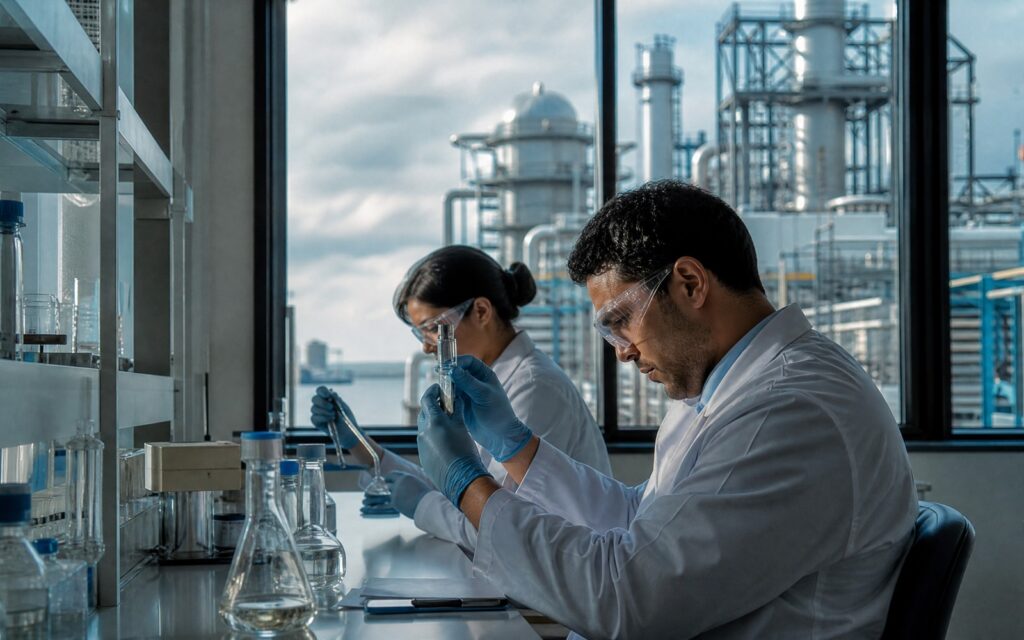
The first step in seawater treatment plants is to conduct a detailed analysis of the feed water. This analysis aims to determine the physical, chemical, and biological properties of the water. Here are the key steps of this process:
- Sampling: Representative samples of seawater are taken. These samples should reflect the overall quality of the water.
- Physical Analysis: The physical properties of the water, such as temperature, turbidity, and color, are measured.
- Chemical Analysis: Dissolved salts, metals, and other chemical components present in the water are analyzed.
- Biological Analysis: Microorganisms and organic matter present in the water are examined.
These analyses form the basis for the process design necessary for water treatment. The analysis results determine which treatment methods will be used and which equipment will be selected. For example, seawater with a high salinity level may require a more intensive membrane filtration process.
Steps for Process Design
Based on the analysis results, the process design of the seawater treatment plant is carried out. This design includes the equipment and procedures necessary for water treatment. The fundamental steps of process design are as follows:
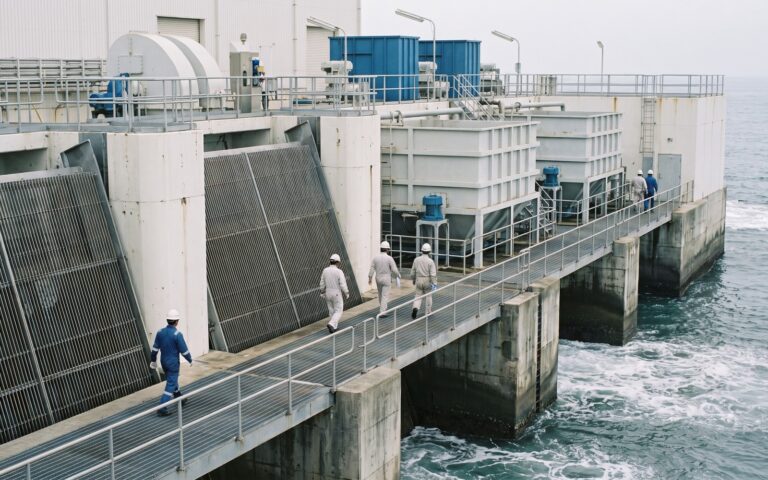
- Pre-treatment: Pre-treatment systems are planned to remove solid particles and large pollutants from the water. This step ensures that the water can be used in further treatment stages.
- Chemical Coagulation and Flocculation: Chemicals are used to remove dissolved organic and inorganic substances. This step reduces the turbidity of the water, thereby increasing the effectiveness of membrane filtration.
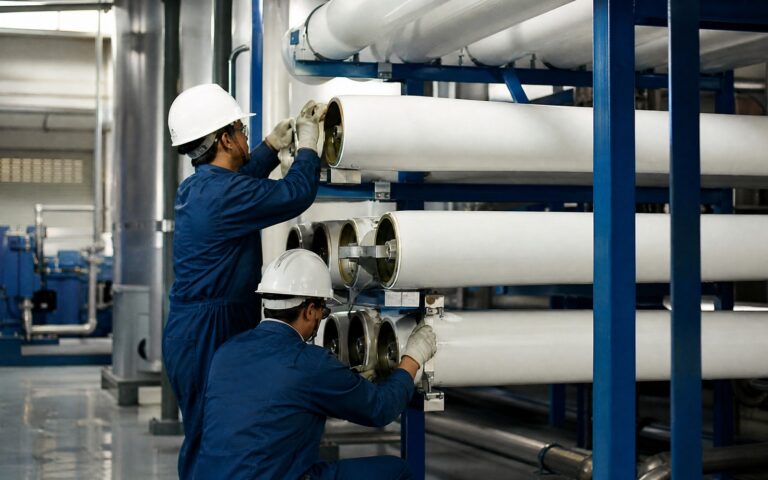
- Membrane Filtration: Advanced treatment techniques such as reverse osmosis are used to desalinate the water. This stage ensures that the water becomes potable and is usually carried out under high pressure.
- Disinfection: Disinfection processes are applied to make the water microbiologically safe. Methods such as chlorination or UV disinfection may be used in this step.
In process design, the effectiveness and efficiency of each step should be carefully evaluated. Any mistake made at any stage can negatively affect the success of the entire treatment process. Therefore, it is important to work with experienced engineers and experts in process design.
Requirements and Standards
International and national standards must be taken into account in the design and operation of seawater treatment plants. These standards ensure that the plant operates safely, efficiently, and environmentally responsibly. Particularly, ISO 14001 and other environmental management systems play a critical role in ensuring the sustainability of the plant. Additionally, local water quality standards and environmental regulations should also be considered.
In the design of the plant, the goal should be to achieve quality standards suitable for the intended end use of the water. For example, the quality criteria for water to be used as drinking water may differ from those required for industrial use. Therefore, appropriate processes should be determined in the design of the plant, taking these requirements into account.
Cost and Process Timing
The establishment and operation of seawater treatment plants involve significant cost items. These costs can vary depending on the capacity of the plant, the technology used, and local regulations. During project planning, CAPEX (capital expenditures) and OPEX (operating expenses) analyses should be conducted to optimize costs.
To optimize costs, the correct selection of equipment and technology should be made during the installation phase of the plant. Additionally, operating costs can be reduced by considering energy efficiency and water recovery rates during the operation process of the plant. Project timing is also an important factor in cost optimization. A realistic timeline should be created for each stage of the project process and adhered to.
Common Mistakes
Common mistakes encountered in seawater treatment plants include inadequate water analysis, inappropriate equipment selection, and maintenance deficiencies. These mistakes can reduce the efficiency of the plant and increase operating costs. Inadequate water analysis can negatively affect the effectiveness of the treatment process and prevent the water quality from reaching the desired level.
Inappropriate equipment selection can increase the operating costs of the plant and reduce the efficiency of the treatment process. Therefore, careful evaluation should be made in equipment selection, considering long-term operating costs. Additionally, regular maintenance and inspections of the plant should be conducted to prevent possible failures. Maintenance deficiencies can negatively affect the performance of the plant and lead to unexpected downtime.
Environmental Impacts and Sustainability
The environmental impacts of seawater treatment plants are an important issue that must be considered during the design and operation of the plant. The management of waste generated during treatment processes is critical for environmental sustainability. Waste management should be effectively planned to reduce the environmental footprint of treatment plants.
A sustainable seawater treatment plant should be designed to minimize energy consumption and utilize renewable energy sources. Additionally, increasing water recovery rates contributes to reducing environmental impacts. In this context, the energy efficiency and water recovery rates of the plant play an important role in achieving environmental sustainability goals.
Use of Advanced Technologies
Advanced technologies used in seawater treatment plants play an important role in increasing the effectiveness and efficiency of treatment processes. Innovative solutions such as membrane technologies, reverse osmosis systems, and UV disinfection help improve water quality while reducing operating costs.
The integration of these technologies enhances the overall performance of the plant and makes water treatment processes more sustainable. Keeping up with technological developments and integrating suitable solutions into plant design is critical for the future success of seawater treatment plants.
Related guides: How to Install Seawater Reverse Osmosis (SWRO) Modules?, High Pressure Pumps and Energy Recovery Systems Installation and How to Build an Intake Structure and Pre-Protection?.