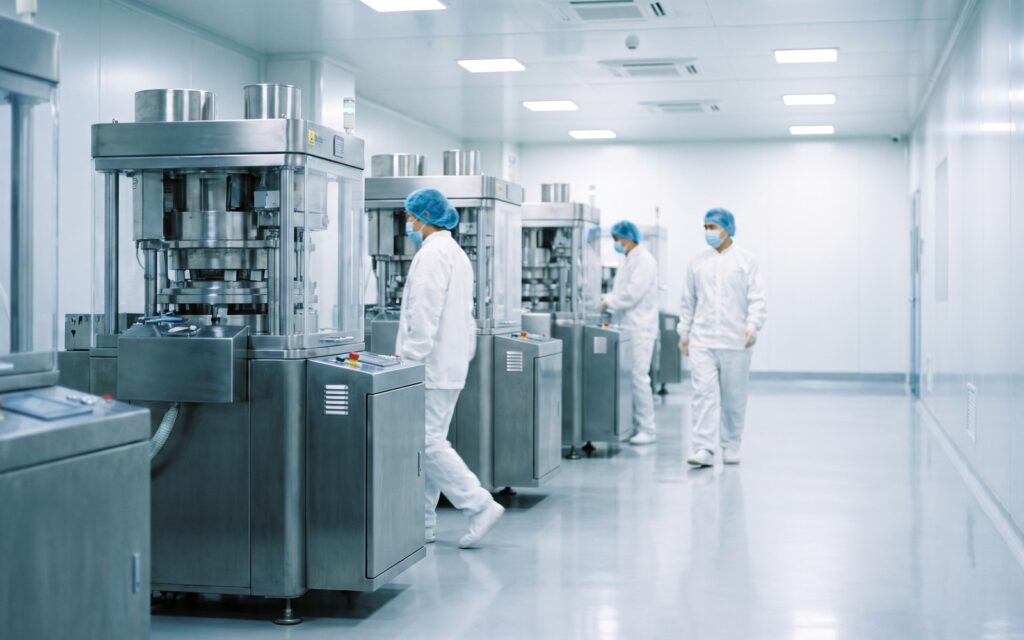
The process of setting up a tablet manufacturing factory involves many detailed steps and typically operates in highly regulated industries. Establishing such facilities encompasses not just the creation of a physical structure but also the establishment of quality management systems, regulatory compliance, and a structure ready for inspection. In this guide, we will provide a step-by-step process for how to set up a tablet manufacturing factory.
Industries and Products Covered
Tablet manufacturing factories are generally used in sectors such as pharmaceuticals, dietary supplements, and veterinary medicines. These sectors are subject to strict regulations and require continuous monitoring of product quality. The product forms produced may include film-coated tablets, sugar-coated tablets, chewable tablets, and effervescent tablets. Each product form stands out with different manufacturing techniques and equipment requirements.
Tablet Manufacturing Process
The tablet manufacturing process includes various stages, starting from raw material procurement to packaging the final product. Here are the steps of this process:
- Raw Material Procurement: Quality tablet production starts with quality raw materials. When selecting raw material suppliers, attention should be paid to their GMP compliance and certification.
- Formulation Development: The correct formulation must be developed to meet the desired characteristics of the product. This stage is supported by laboratory tests.
- Mixing and Granulation: The raw material mixture is adjusted to the appropriate granule size. This process affects the homogeneity and dissolution of the tablet.
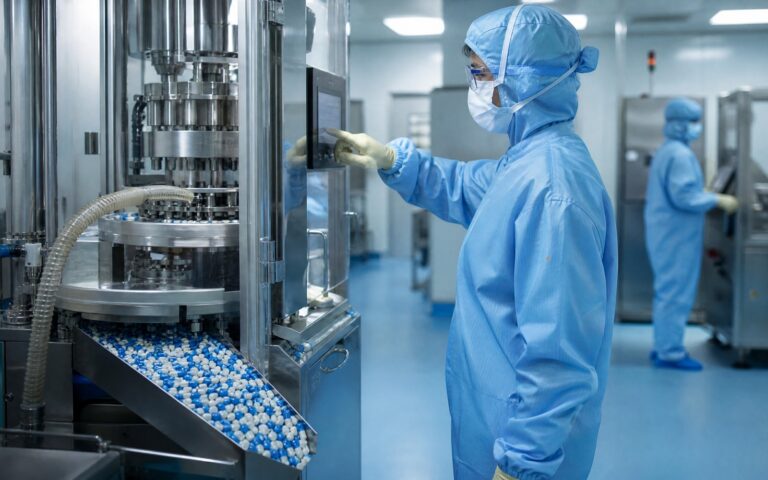
- Tableting: Granules are compressed into tablet form using tablet press machines. The correct pressure and speed settings at this stage are critically important.
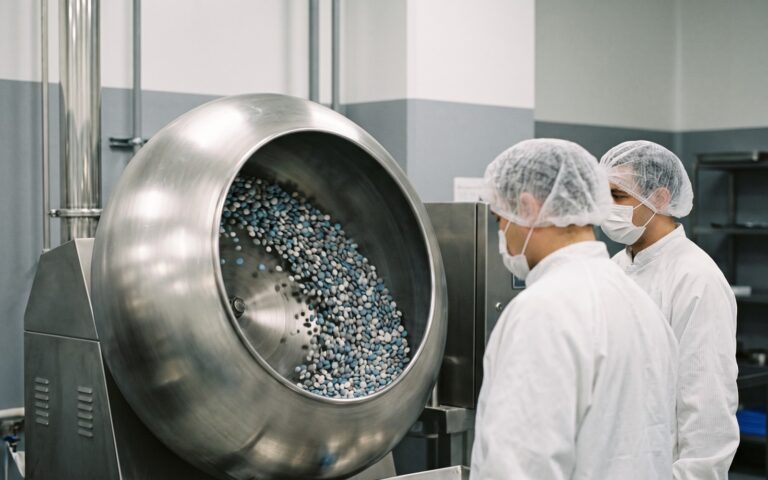
- Coating: Coating the tablets affects the taste, durability, and release of the product. Different techniques such as film or sugar coating can be used.
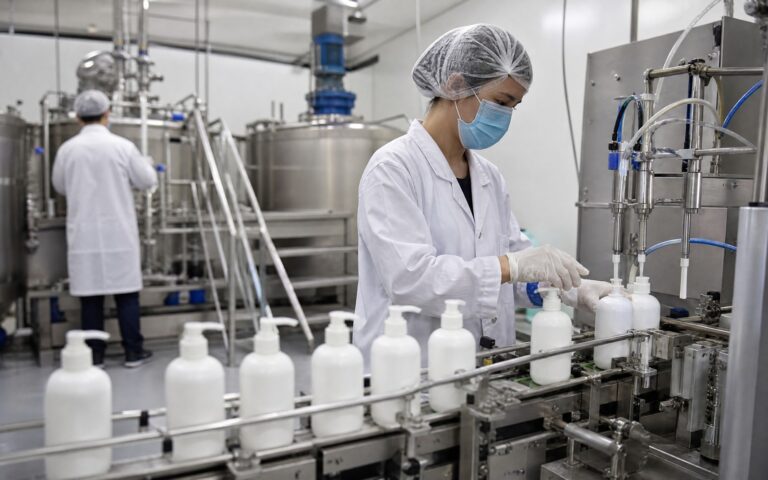
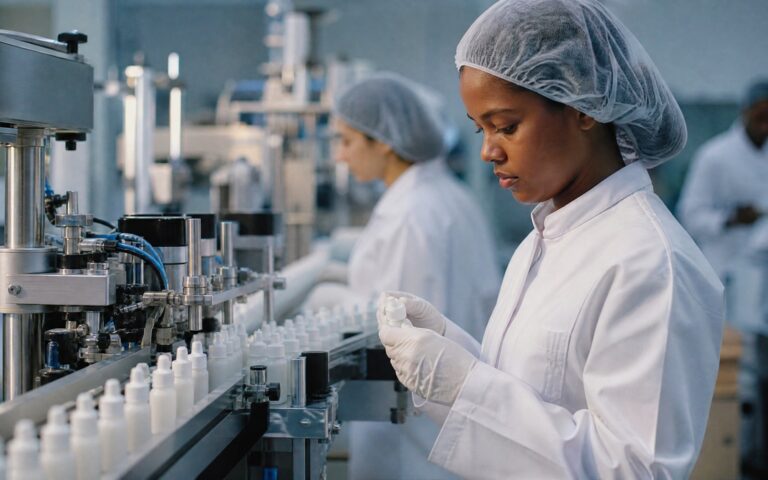
- Packaging: Products are packaged with appropriate materials before reaching the end user. Packaging ensures the product’s shelf life and safety.
Quality Management System and Regulatory Compliance
Quality management systems in tablet manufacturing are critical to ensuring quality at every stage of the production process. These systems should comply with standards such as GMP (Good Manufacturing Practices) and HACCP (Hazard Analysis and Critical Control Points). Additionally, regulatory compliance is also important, especially for manufacturers in the pharmaceutical sector, and is a mandatory requirement. Regulations cover not only production processes but also product labeling and distribution.
Cost and Duration
The setup costs for a tablet manufacturing factory vary depending on the size of the facility, production capacity, and the technology used. CAPEX (Capital Expenditures) planning is crucial for accurate budgeting. The process can typically be completed in a range of a few months to a year. The duration depends on factors such as construction, equipment procurement, and installation.
Common Mistakes
Common mistakes made during the establishment of tablet manufacturing facilities include inadequate planning, ignoring regulatory requirements, and lack of qualification processes. These mistakes can lead to delays and increased costs in the production process. Particularly, adopting the Turnkey Manufacturing Facility approach can help prevent such issues.
Tablet manufacturing factory: step-by-step production process
The steps below summarise the typical workflow we follow in tablet manufacturing factory projects. In every project the sequence is adapted to the product portfolio and the capacity target.
- Product and formulation analysis: properties of the active ingredient, dose, tablet type (film-coated, effervescent, chewable, etc.) and target capacity are defined.
- Weighing and dispensing: raw materials are weighed in controlled dispensing rooms with dust containment.
- Granulation or direct compression: wet granulation, dry granulation (roller compaction) or direct compression is chosen according to the formulation.
- Drying, sizing and final blending: granules are dried, milled and blended homogeneously with lubricants.
- Compression: tablets are pressed on a rotary press with continuous monitoring of weight, hardness and thickness.
- Coating (where required): film or sugar coating for appearance, taste masking or release profile.
- Packaging and release: blister or bottle packaging, batch record review and QA approval.
Key equipment and systems
Equipment is selected according to the formulation, target capacity, level of automation and cleaning validation requirements. A typical facility includes the following main groups:
- Dispensing booths and dust collection systems
- High-shear granulator and fluid bed dryer, or a roller compactor for dry granulation
- Mills and sieves
- Bin blenders or V-blenders
- Rotary tablet press, tablet deduster and metal detector
- Coating machine
- Blister and cartoning line; tablet testers (hardness, friability, disintegration, dissolution)
GMP and regulatory notes
Tablets produced as medicines require a manufacturing authorisation and GMP certification from the national competent authority; facility design follows EU GMP and the principles for preventing cross-contamination. If tablets are produced as food supplements, food business registration and an HACCP-based food safety system apply. For potent or dust-intensive processes, operator protection and an ATEX assessment must also be part of the design.
How is the project timeline planned?
Installation time depends on variables such as whether the building is ready, lead times for imported equipment, cleanroom requirements and the workload of licensing authorities. Rather than quoting a fixed duration, we split the project into clear phases and define the deliverable of each one:
- Feasibility and definition of the product portfolio
- Concept and detailed engineering (layout, personnel and material flows, HVAC and process water)
- Equipment procurement and construction works
- Installation, commissioning and qualification (DQ, IQ, OQ, PQ)
- Process validation, documentation and licensing
- Staff training and transition to commercial production
When work that can run in parallel (for example equipment orders and construction) is planned correctly, the overall schedule shortens noticeably. The critical path is usually long-lead equipment and official approvals.
Factors that drive the cost
Every investment budget is different; the items below have the greatest impact on total cost:
- Process route: direct compression, wet or dry granulation
- Number and capacity of presses
- Need for coating
- Size of controlled areas and HVAC classification
- Product type: medicine (GMP) or food supplement
- Validation, laboratory and packaging automation
At Envora we quantify these items for your specific project during the feasibility stage and also evaluate options for phasing the investment.
Frequently Asked Questions
Should we choose direct compression or granulation?
If the powder blend has good flow and compressibility, direct compression means fewer steps and lower investment. Otherwise granulation is required. The decision is made through formulation work and pilot trials.
Can medicines and supplement tablets be made in the same facility?
It may be technically possible, but regulation, cross-contamination risk and inspection expectations must be assessed in detail. Most projects plan separate lines or segregated areas.
Does Envora offer turnkey installation?
Yes. We can manage the entire process under one contract, from feasibility, concept and detailed engineering to equipment supply, installation, qualification and staff training. Consulting-only or engineering-only packages are also available.
Can an existing building be converted into a production facility?
In most cases it can. We assess ceiling height, floor load capacity, utilities and the space available for personnel and material flows on site, and then decide together whether refurbishment or a new building is the better option.
Contact our team to have your project assessed and to receive a roadmap tailored to you. You can find the details of our scope on the Human, Veterinary and Traditional Herbal Medicine Production page.
Related guides: How to Establish an Injection Manufacturing Factory?, How to Set Up a Traditional Herbal Medicine Facility? and How to Set Up a Liquid Pharmaceutical Facility?.