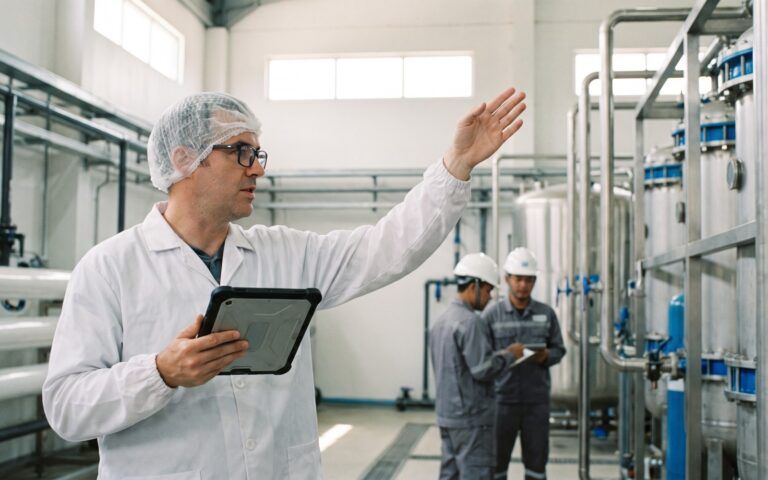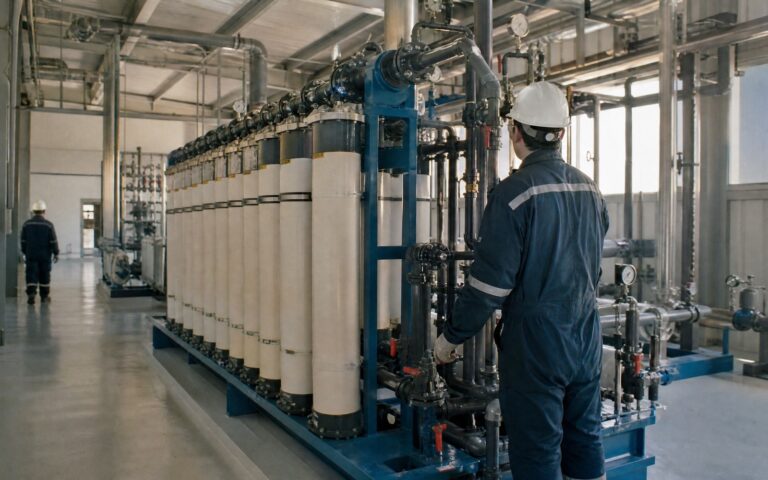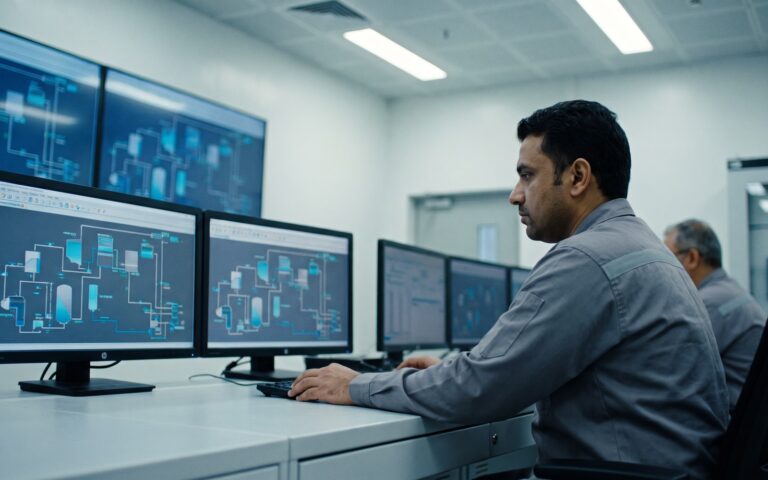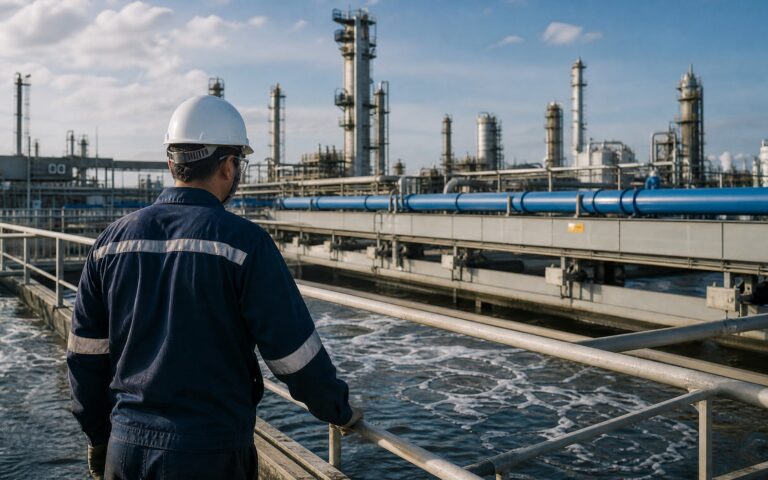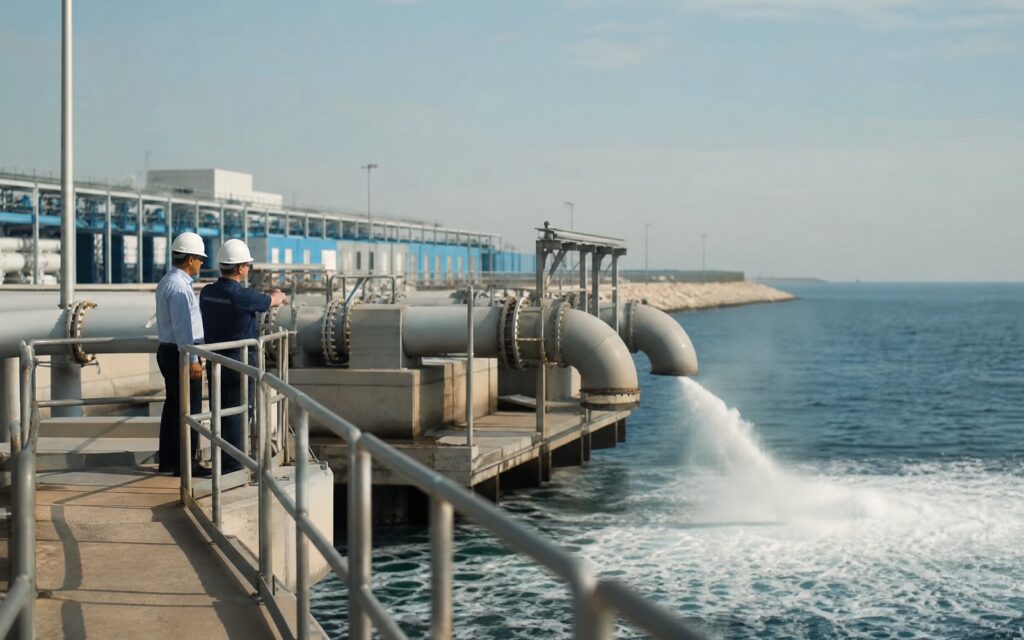
Seawater treatment systems are technologies used to make saline water suitable for drinking water or industrial use. In this process, brine, a by-product in which salt and other minerals are concentrated, is produced. Due to its high salt concentration, brine can create environmental impacts. Therefore, brine discharge management is an important part of seawater treatment systems.
Sectors and Products Covered
Seawater treatment systems are widely used, especially in areas where water resources are limited. These systems are implemented in various sectors such as municipalities, hotels, resorts, and industrial facilities. The products produced include drinking water, industrial process water, and agricultural irrigation water. In particular, facilities in the tourism sector, such as hotels and resorts, require these systems to provide treated water to their guests.
Seawater Treatment Process
The seawater treatment process generally consists of several stages. The first stage is the pre-filtration stage, where the water is purified from coarse particles. Then, salt and other impurities are separated from the water using membrane technologies. The most commonly used technology at this stage is reverse osmosis (RO) systems. Reverse osmosis allows water molecules to pass through a semi-permeable membrane while retaining salt and other minerals.
In the final stage of the treatment process, the pH balance and mineral content of the water are adjusted. This stage is critical for making the water suitable for human consumption or industrial use. Each stage of the treatment process must be carefully managed and continuously monitored. These stages are also carried out under similar principles within the scope of Wastewater Treatment Plant Installation services.
Brine Discharge Management
Brine discharge is a critical issue in terms of the environmental sustainability of seawater treatment plants. Brine with a high salt concentration can have negative effects on marine ecosystems. Various management strategies have been developed to minimize these effects. For example, diluting brine with seawater can reduce the environmental impacts of discharge. Additionally, directing brine to the seabed can protect the ecosystems on the sea surface.
Another strategy is to reassess brine for industrial use. For example, brine can be used in salt production or chemical processes. Such strategies reduce environmental impacts while also providing economic benefits.
Requirements and Standards
Seawater treatment facilities must comply with various international and national standards. These standards are established to ensure the effectiveness and safety of the treatment process. For example, the ISO 14001 environmental management system standard promotes the adoption of a sustainable environmental management approach. Additionally, quality management systems such as GMP (Good Manufacturing Practices) and HACCP (Hazard Analysis and Critical Control Points) guarantee the safety and quality of water.
Compliance with these standards is not only a legal obligation but also necessary to protect the reputation of the business and to develop a sustainable business model.
Cost and Duration
The cost of seawater treatment systems depends on many factors such as the capacity of the facility, the technology used, and local regulations. Typically, high-capacity facilities require larger initial investments. However, such facilities can offer lower operating costs in the long run. In addition to costs, the installation and commissioning of the facility can also be a time-consuming process. Stages such as obtaining permits, project design, equipment procurement, and installation are factors that affect the total duration.
Common Mistakes
Common mistakes made during the installation and operation of seawater treatment systems can negatively impact the efficiency and environmental sustainability of the system. For example, inadequate management of brine discharge can increase environmental harm. Additionally, miscalculating the capacity of the facility or selecting inappropriate equipment can lead to operational issues. To avoid such mistakes, it is important to conduct a detailed pre-feasibility study and obtain expert consulting services.
Finally, subjecting the facility to regular maintenance and monitoring programs ensures the long-lasting and efficient operation of the system. Such measures are key to creating a sustainable business model from both environmental and economic perspectives.
Clean Room and Equipment Selection
Clean room practices in seawater treatment facilities are critical for maintaining water quality. Clean rooms enhance water safety by minimizing particle and microorganism contamination. Such environments are indispensable, especially in industrial applications that require high-purity water production. Equipment selection also plays an important role in this process. Equipment made from high-quality and durable materials ensures the long-lasting and efficient operation of the facility. Regular maintenance and calibration of the equipment optimize the performance of the system.
Example Scenario: Hotel Water Treatment Facility
Let’s consider the establishment of a seawater treatment facility for a hotel. In the initial phase, the hotel’s water needs and available water resources are assessed. Then, the capacity of the facility is determined and suitable technology is selected. Reverse osmosis systems are generally one of the most suitable options for hotels. During the installation process, permits are obtained in accordance with local regulations and project design is carried out. After the procurement and installation of equipment are completed, the system is commissioned. Regular maintenance and monitoring of the facility ensure the quality of the water and the efficiency of the system. This process reduces the hotel’s water costs while also increasing its environmental sustainability.
Advanced Technologies in Brine Discharge Management
Brine discharge management is critical for minimizing the environmental impacts of seawater treatment facilities. In recent years, advanced technologies developed in this field have enabled more effective management of brine. For example, advanced membrane technologies are used to make brine reusable. These technologies recover valuable minerals from brine, providing both economic and environmental benefits.
Additionally, bioreactor systems are used to make brine biologically degradable. These systems break down organic matter in brine through biological processes, reducing the environmental impacts of discharge. The integration of such technologies enhances the sustainability of seawater treatment facilities and alleviates their environmental burdens.
Quality Management in Seawater Treatment Systems
Quality management in seawater treatment systems is a critical process to ensure the safety and quality of water. In this context, quality management systems such as GMP (Good Manufacturing Practices) and HACCP (Hazard Analysis and Critical Control Points) are implemented to minimize risks that may arise during the water production process. These systems ensure monitoring and control of water at every stage, eliminating potential contamination risks.
Quality management is also important for increasing the operational efficiency of the facility. Regular quality control tests and audits optimize the facility’s performance while continuously maintaining high levels of water quality. Such practices ensure compliance with legal requirements and enhance consumer confidence.
Equipment Selection and Maintenance in Seawater Treatment Systems
Equipment selection plays a vital role in the efficient and long-lasting operation of seawater treatment systems. Equipment made from high-quality and durable materials directly affects the performance of the system. For example, reverse osmosis membranes are a critical component for ensuring the purity of water, and therefore, selecting high-quality membranes is important.
Regular maintenance and calibration of equipment are necessary to optimize the performance of the system. Maintenance programs extend the lifespan of the equipment while minimizing the risk of failure. Additionally, regularly monitoring the equipment and conducting performance tests allows for the early detection of potential issues, which prevents operational interruptions.
Environmental Impact Assessment in Seawater Treatment Systems
The environmental impacts of seawater treatment systems should be carefully evaluated from the design phase of the facility. Environmental impact assessment (EIA) is conducted to identify the potential effects of the facility on the environment and to plan measures to minimize these effects. This process is a critical step in ensuring the environmental sustainability of the facility.
The EIA process also includes assessing the impacts of brine discharge on marine ecosystems. This assessment is conducted by considering the ecological characteristics of the area where the brine will be discharged and the existing marine life. EIA reports serve as an important reference point in the development of the facility’s environmental management plans, which include the necessary strategies to minimize environmental impacts.
Permitting Processes in Seawater Treatment Systems
The establishment of seawater treatment facilities requires obtaining various legal permits. These permits are issued by local and national authorities that evaluate and regulate the environmental impacts of the facility. The permitting processes typically begin with the preparation of environmental impact assessment (EIA) reports. EIA reports analyze the potential effects of the facility on the environment and provide recommendations for minimizing these effects.
The permitting processes also cover issues such as the use of water resources, waste management, and energy consumption. Completing these processes can often take several months and should therefore be considered an important time frame in project planning. Obtaining permits is a critical step in ensuring the legal compliance of the facility and guaranteeing environmental sustainability.
Equipment Selection and Technological Innovations in Seawater Treatment Systems
The selection of equipment used in seawater treatment systems is of great importance for the efficiency and longevity of the facility. High-quality and durable equipment increases the effectiveness of the treatment process while reducing maintenance and repair costs. Factors such as material quality and energy efficiency should be considered in the selection of critical components like reverse osmosis membranes, pumps, and filters.
In recent years, significant innovations have occurred in seawater treatment technologies. For example, next-generation membranes that reduce energy consumption and increase water recovery rates are lowering the operational costs of facilities. Additionally, smart sensors and automation systems allow for remote monitoring and management of facilities, enhancing operational efficiency.
Common Challenges Encountered in Seawater Treatment Systems
Common challenges faced during the installation and operation of seawater treatment systems can affect the efficiency and sustainability of the facility. These challenges include inadequate management of brine discharge, equipment failures, and energy consumption. To minimize the environmental impacts of brine discharge, it is necessary to develop and implement appropriate discharge strategies.
Equipment failures often arise due to inadequate maintenance or incorrect equipment selection. To prevent such issues, it is important to implement regular maintenance programs and choose high-quality equipment. Additionally, to optimize energy consumption, the use of energy-efficient technologies and the integration of energy management systems are required.
Cost Management in Seawater Treatment Systems
Cost management of seawater treatment systems is a critical issue for the economic sustainability of the facility. Costs typically vary depending on factors such as the capacity of the facility, the technology used, and local regulations. While high-capacity facilities may require larger initial investments, they can offer lower operating costs in the long run.
Cost management also encompasses energy consumption and maintenance costs. The use of energy-efficient equipment and the implementation of regular maintenance programs are effective ways to reduce operating costs. Additionally, strategies such as the reuse or sale of brine can create additional revenue sources, enhancing the economic sustainability of the facility.