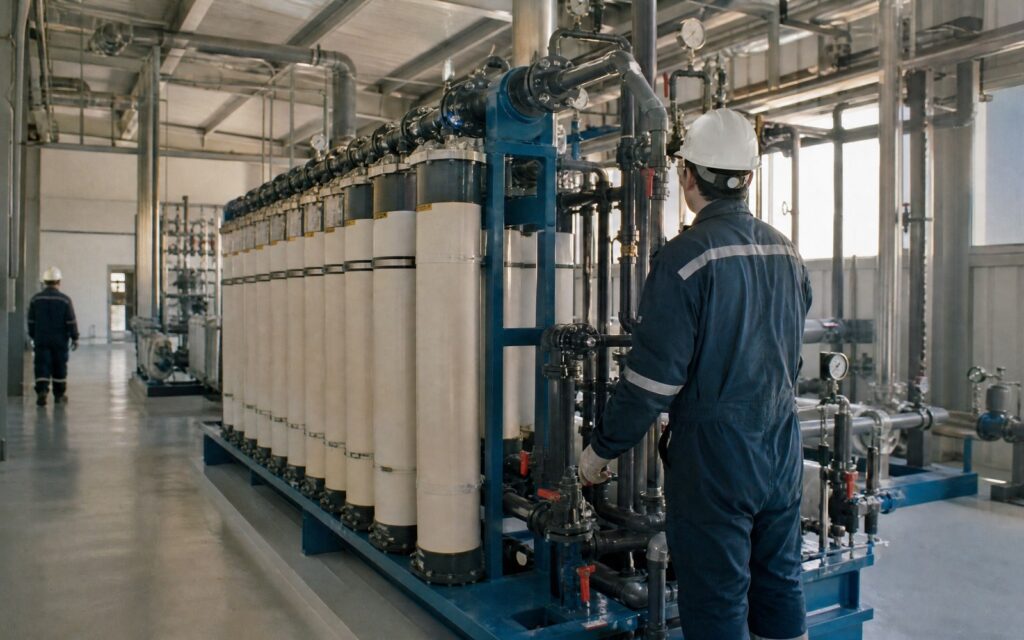
Seawater treatment systems ensure that water is made usable by removing salt and other impurities. These systems are vital, especially in areas where water resources are limited. The different filtration methods used in seawater treatment processes are critical elements that determine the efficiency and cost-effectiveness of the system. In this guide, we will discuss various filtration methods used in seawater treatment systems and the advantages of these methods.
Industries and Products Covered
Seawater treatment systems are widely used in various industries. These systems are particularly prominent in the following sectors and application areas:
- Industrial Facilities: Industrial areas such as chemical plants, power stations, and metal processing facilities benefit from seawater treatment systems.
- Tourism and Hospitality: Hotels and resorts use these systems to provide clean and safe water to their guests.
- Municipalities: Seawater treatment systems are used by municipalities in coastal areas for city water supply.
Products obtained from seawater treatment systems include various types of water such as drinking water, industrial process water, and agricultural irrigation water.
Seawater Treatment Process
The seawater treatment process consists of several critical steps. The first step is the analysis of seawater. This step helps in selecting appropriate treatment methods by determining the chemical and physical properties of the water. Next, the water intake structure and pre-protection systems come into play. At this stage, the water is purified from large particles and marine life.
In the pre-treatment phase, seawater is processed using different filtration methods. These include sand filtration, DAF (dissolved air flotation), and ultrafiltration. After filtration, the seawater is directed to reverse osmosis (SWRO) modules. These modules contain membranes that allow for the removal of salt from the water.
Finally, remineralization, pH adjustment, and disinfection processes are carried out. These steps ensure that the treated water meets drinking water standards.
Requirements and Standards
The equipment and processes used in seawater treatment systems must comply with specific standards. These standards cover issues such as water quality, energy efficiency, and environmental impacts. For example, certain criteria must be met to ensure the longevity of membranes and that brine discharge does not harm the environment.
During the planning and implementation of seawater treatment systems, compliance with national and international regulations is mandatory. Additionally, the operational continuity and maintenance requirements of the system should also be taken into account.
Cost and Duration
The cost of seawater treatment systems varies depending on several factors. These factors include the capacity of the system, the technologies used, and energy consumption. Generally, high-capacity systems require more investment but offer lower operating costs in the long run.
The installation and commissioning of systems can typically take several months. This process may vary depending on factors such as site conditions, permitting processes, and supply chain.
Common Mistakes
Common mistakes made during the design and operation of seawater treatment systems can negatively affect the efficiency of the system. These mistakes include the selection of inappropriate filtration methods, inadequate integration of energy recovery systems, and neglect of maintenance processes.
To avoid such mistakes, it is important to conduct a comprehensive analysis and planning during the project phase. Additionally, regular maintenance of the system and performance monitoring processes are key to success.
Comparison of Filtration Methods
Filtration methods used in seawater treatment systems include sand filtration, ultrafiltration, and reverse osmosis. Each method offers different advantages and disadvantages. Sand filtration is effective in removing large particles and sediments but may be inadequate for smaller particles. Ultrafiltration can effectively remove smaller particles and microorganisms, but energy consumption is higher. Reverse osmosis is one of the most effective methods for purifying water from salt and other dissolved substances, but it requires high pressure and has high energy consumption.
Each of these methods should be selected based on specific application areas and water quality. For example, reverse osmosis is preferred for drinking water production, while ultrafiltration may be more suitable for industrial process water.
Environmental Impacts and Sustainability
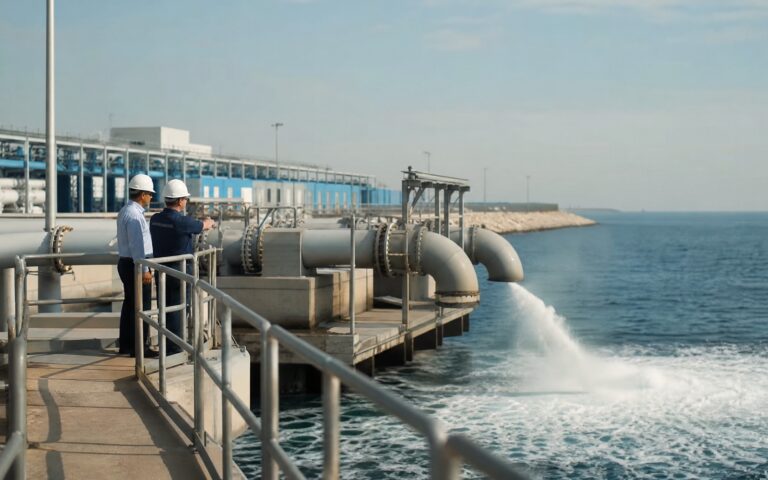
The environmental impacts of seawater treatment systems are particularly related to energy consumption and brine discharge. High energy consumption can increase the carbon footprint, so energy efficiency should be prioritized. Additionally, appropriate discharge methods should be used to ensure that brine discharge does not harm the marine ecosystem. Designing a sustainable seawater treatment system is possible through the integration of energy recovery systems and the use of environmentally friendly technologies.
Permits and Standards in Wastewater Treatment Plant Installation
The installation of a wastewater treatment plant requires compliance with various permits and standards. First, it is essential to obtain the necessary permits from local authorities and environmental ministries. These permits include Environmental Impact Assessment (EIA) reports that evaluate the environmental effects of the facility. Additionally, compliance with international standards, such as ISO 14001 Environmental Management System, must be ensured during the design and operation of the facility.
Standards are not limited to environmental impacts; they also encompass regulations related to water quality and safety. For instance, standards from the World Health Organization (WHO) and the European Union (EU) must be considered for drinking water production. These standards determine the microbiological and chemical properties of water and ensure safe water supply.
Clean Room and Equipment Selection
The selection of equipment used in seawater treatment systems is critical for the efficiency and longevity of the system. Factors such as material quality, energy consumption, and maintenance requirements should be considered in equipment selection. Stainless steel and corrosion-resistant materials are commonly preferred in seawater treatment systems.
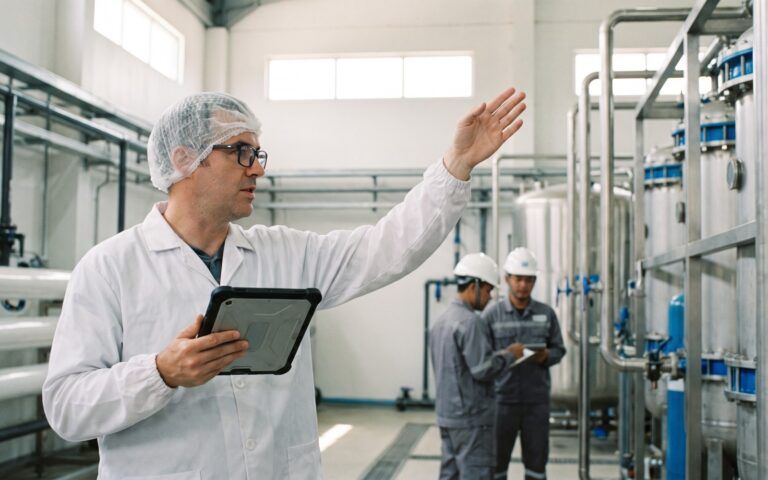
Clean room applications are particularly important for sensitive filtration processes. These areas provide a controlled environment to prevent water contamination. Clean room design should be carried out in accordance with ISO 14644 standards and should be regularly inspected. This is necessary to maintain water quality and enhance the reliability of the system.
Energy Efficiency in Seawater Treatment Systems
Energy efficiency is a critical factor for the sustainability of seawater treatment systems. High energy consumption can increase operational costs and negatively impact environmental effects. Therefore, various technologies and methods should be used to enhance energy efficiency.
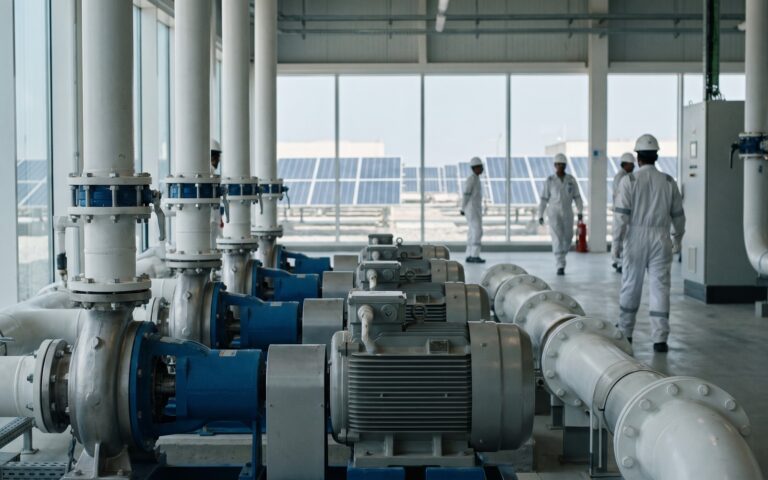
Energy recovery systems are commonly used to reduce energy consumption in reverse osmosis processes. These systems save energy by recovering the energy of pressurized water. Additionally, the integration of renewable energy sources such as solar energy is a way to reduce energy costs and minimize carbon footprint.
Maintenance and Operation in Seawater Treatment Systems
Regular maintenance and operation processes are vital for the effective functioning of seawater treatment systems. Maintenance processes are necessary to maintain the system’s performance and prevent failures. These processes include routine operations such as filter replacement, membrane cleaning, and equipment inspection.
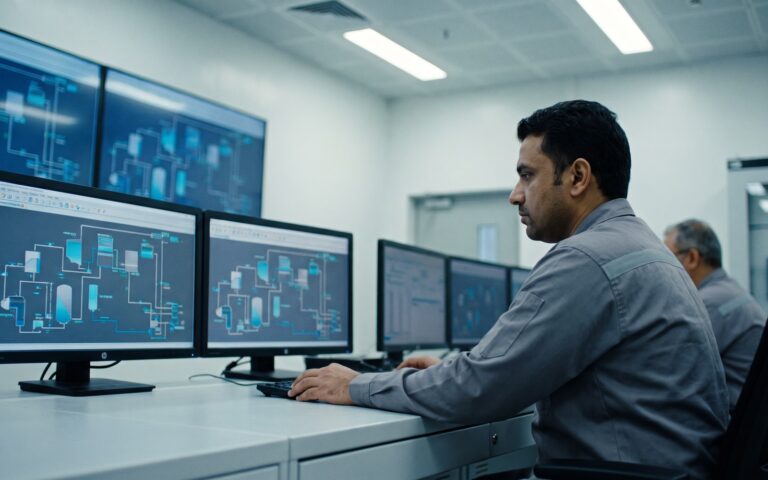
During operation, advanced monitoring and control systems should be used to monitor and optimize the system’s performance. These systems help to detect potential issues at an early stage by continuously monitoring water quality parameters. Additionally, regularly training personnel and keeping them informed about current technologies increases the system’s efficiency and reduces operating costs.
GMP and HACCP Applications in Wastewater Treatment Plants
In wastewater treatment plants, quality management systems such as GMP (Good Manufacturing Practices) and HACCP (Hazard Analysis and Critical Control Points) should be implemented to ensure the safe and high-quality treatment of water. GMP aims to ensure hygiene and quality standards at every stage from the design of the facility to its operation. This includes practices such as regular cleaning of equipment, personnel hygiene training, and continuous monitoring of processes.
HACCP, on the other hand, ensures the identification of potential hazards during the water treatment process and the establishment of critical control points to manage these hazards. For example, points that could affect the microbiological quality of the water are identified, and strict control measures are implemented at these points. These systems guarantee the safety and quality of the water, protecting consumer health.
Advanced Technologies in Seawater Treatment Systems
Advanced technologies used in seawater treatment systems are continuously evolving to increase the efficiency of the systems and reduce their environmental impact. Innovations in membrane technologies allow for water treatment with lower energy consumption. Next-generation membranes offer higher salt rejection and longer lifespan, reducing operating costs.
Additionally, smart sensors and automation systems enable more effective management of water treatment processes. These technologies optimize the system’s performance by monitoring water quality parameters in real-time. Thus, energy consumption is reduced, and the quality of the water is maintained at consistently high levels.
Cost Optimization in Seawater Treatment Systems
Cost optimization in seawater treatment systems is critical for reducing both capital and operating costs. To reduce initial investment costs, modular system designs can be preferred. These designs allow for easy capacity increases and lower initial costs.
To optimize operating costs, high energy efficiency equipment and energy recovery systems should be used. Additionally, regular planning and execution of maintenance processes reduce the risk of failures, providing long-term cost savings. Supply chain management also plays an important role in cost optimization; working with local suppliers can reduce logistics costs.
Common Problems and Solutions in Seawater Treatment Systems
Common problems encountered in seawater treatment systems include membrane fouling, high energy consumption, and the environmental impacts of brine discharge. Membrane fouling can reduce water quality and negatively affect system efficiency. To prevent this issue, regular membrane cleaning and the implementation of appropriate pre-treatment methods are necessary.
High energy consumption can increase operating costs and negatively impact environmental sustainability. To address this issue, the integration of energy recovery systems and the promotion of renewable energy sources should be encouraged. To reduce the environmental impacts of brine discharge, appropriate discharge methods and eco-friendly technologies should be used. These solutions ensure that seawater treatment systems are more sustainable and efficient.