Seawater treatment systems play a critical role in meeting water needs in coastal areas. These systems make seawater suitable for drinking water or industrial use. SCADA (Supervisory Control and Data Acquisition) automation allows for the optimization of these systems in terms of efficiency and reliability. In this article, we will examine the advantages and application areas of SCADA automation in seawater treatment systems.
Industries and Products Covered
Seawater treatment systems are used in various industries and application areas. These systems are vital, especially for industrial facilities, hotels, islands, and municipalities located in coastal areas. The produced water is generally used as drinking water, industrial water, and agricultural irrigation water. Additionally, seawater treatment systems are also commonly used in large-scale industrial complexes such as power plants and petrochemical facilities.
Seawater Treatment Processes
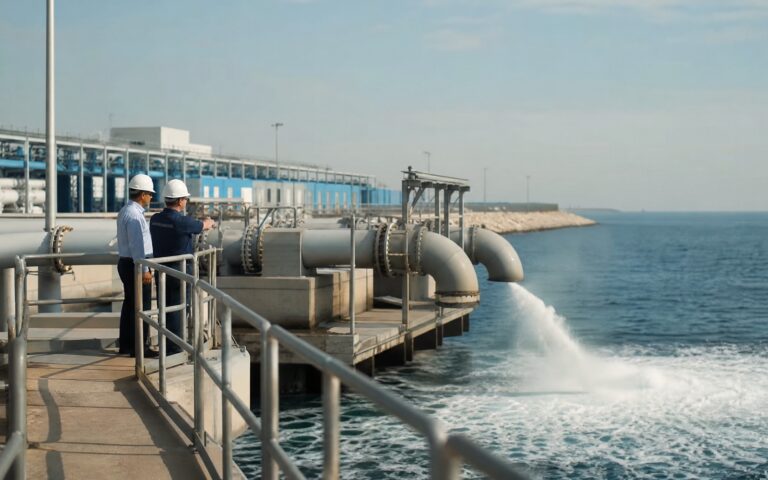
Seawater treatment processes typically consist of several main steps. The first step is seawater analysis and process design. At this stage, the chemical and physical properties of the water are determined, and appropriate treatment methods are selected. Then, the intake structure and pre-protection systems come into play. These systems are used for the intake of seawater and the filtration of large particles.
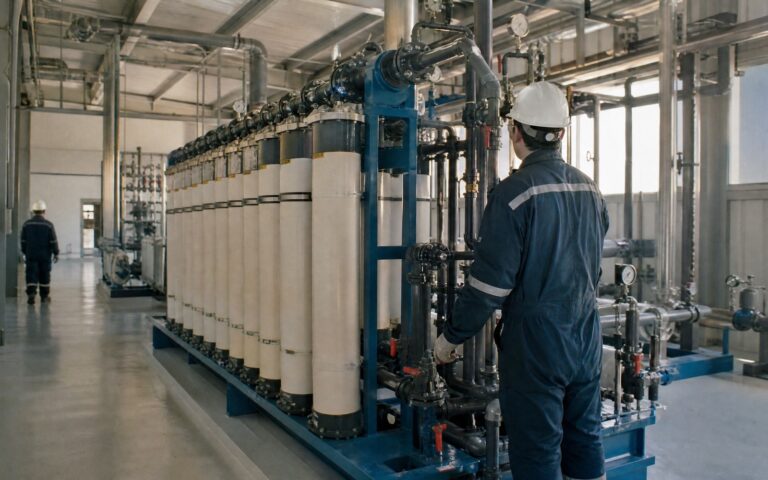
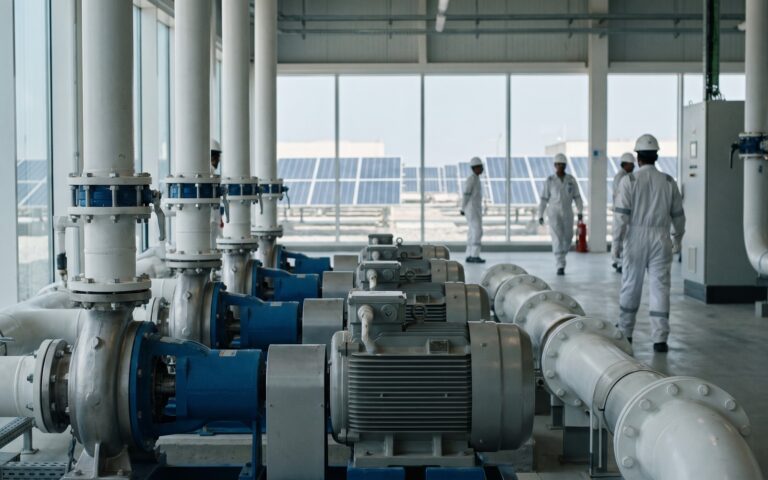
The next step is the pre-treatment process. In this stage, techniques such as filtration, DAF (Dissolved Air Flotation), and ultrafiltration are used to enhance the quality of the water. Subsequently, seawater reverse osmosis (SWRO) modules are activated. These modules operate under high pressure to desalinate the water. High-pressure pumps and energy recovery systems are critical at this stage to increase energy efficiency.
Finally, remineralization, pH adjustment, and disinfection stages are carried out. These stages ensure that the treated water is suitable for human consumption and other uses.
The Role of SCADA Automation
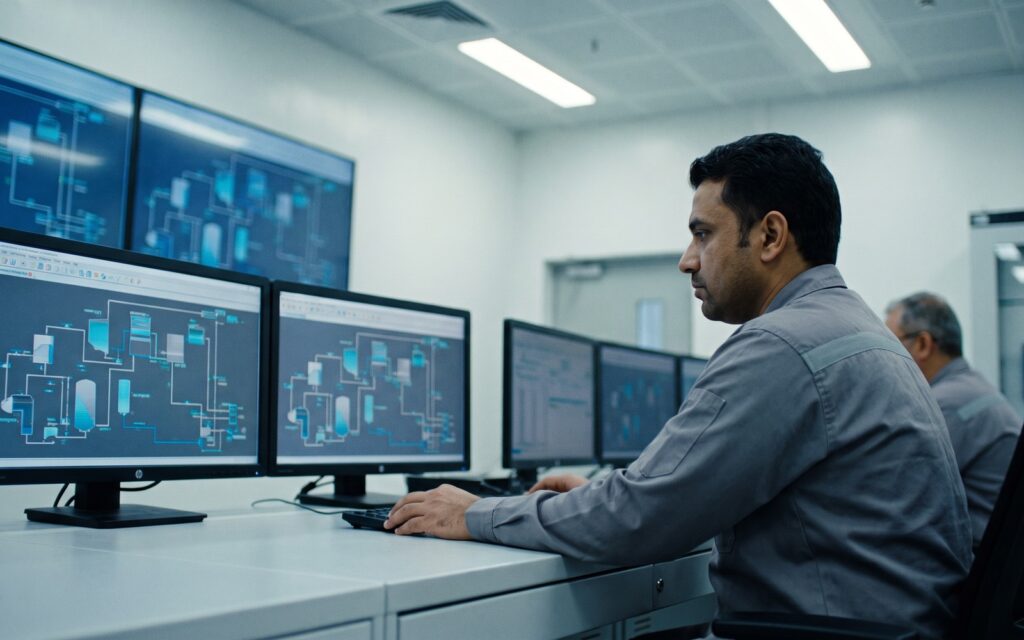
SCADA automation plays an important role in seawater treatment systems. These systems provide a centralized platform for monitoring and controlling processes. SCADA collects, analyzes, and presents data from sensors and other devices to operators. This allows for continuous monitoring of the system’s performance and adjustments to be made when necessary.
SCADA automation is also used to increase energy efficiency. Optimizing energy consumption reduces operating costs and minimizes environmental impacts. Additionally, SCADA systems enable early detection of failures and preventive maintenance. This ensures the uninterrupted operation of the system and minimizes unexpected downtime.
Requirements and Standards
When using SCADA automation in seawater treatment systems, specific requirements and standards must be considered. In system design, factors such as water quality targets, energy efficiency, and membrane lifespan should be taken into account. Additionally, brine discharge management and operational continuity are also important design criteria.
Standards such as GMP (Good Manufacturing Practice) and HACCP (Hazard Analysis and Critical Control Points) can be implemented to ensure the safety and quality of water. These standards aim to maintain hygienic conditions during the water production process and prevent potential hazards.
Cost and Duration
The cost of seawater treatment systems varies depending on the size of the system, the technology used, and energy consumption. SCADA automation may require a high initial investment; however, it compensates for this cost in the long run through energy efficiency and savings in operational costs. The completion time of the project also varies depending on the complexity of the system. Generally, the design and installation processes can take several months.
Common Mistakes and Considerations
Some common mistakes can occur when using SCADA automation in seawater treatment systems. For example, improper calibration of sensors can affect data accuracy and lead to incorrect decisions. Additionally, failure to perform regular maintenance on the system can lead to increased failures and decreased performance.
To avoid such mistakes, it is important to carefully plan and implement processes related to Seawater Treatment Systems. Operators having sufficient knowledge about the operation of the system and receiving regular training is also a critical factor.
SCADA Automation and Environmental Impacts
SCADA automation in seawater treatment systems also contributes to reducing environmental impacts. Particularly, optimizing energy consumption helps to lower the carbon footprint. Additionally, SCADA systems allow for the sustainable management of water resources. This means efficient use of water and minimizing wastewater.
Managing environmental impacts is critical for the success of seawater treatment projects. Therefore, SCADA automation is an important tool for ensuring compliance with environmental standards and contributing to the conservation of natural resources.
The Future of SCADA Systems
The future of SCADA automation looks even brighter with technological advancements. The integration of technologies such as artificial intelligence and machine learning will make SCADA systems smarter and more predictive. This will allow for more efficient management of treatment processes and further increase energy efficiency.
In the future, SCADA systems are expected to be equipped with more automation and data analytics capabilities. This will contribute to making seawater treatment systems more sustainable and efficient.
Equipment Selection for SCADA Automation in Seawater Treatment Systems
The selection of the right equipment for SCADA automation in seawater treatment systems is critical for the efficiency and reliability of the system. First, the choice of sensors directly affects the performance of the system. Sensors that measure parameters such as water quality, pressure, temperature, and flow rate must provide accurate and reliable data. The calibration and maintenance of these sensors should be performed regularly to ensure the continuous and accurate operation of the system.
Control panels and PLC (Programmable Logic Controller) systems act as the brain of SCADA automation. These devices process data from sensors to control various components of the system. PLCs with reliable and fast processing capacity ensure the uninterrupted operation of the system. Additionally, the network infrastructure used for data communication must also be fast and secure. Fiber optic cables and industrial Ethernet solutions are preferred to prevent data loss and ensure rapid communication.
Permits and Standards for SCADA Automation in Seawater Treatment Systems
When implementing SCADA automation in seawater treatment systems, it is necessary to comply with various permits and standards. These systems must adhere to environmental regulations and water quality standards. Especially in cases where the water will be used as drinking water, compliance with national and international water quality standards is mandatory. These standards determine the microbiological and chemical properties of the water and aim to protect human health.
For SCADA automation, compliance with data security and cybersecurity standards must also be ensured. Industrial control systems can be vulnerable to cyber attacks, and therefore, measures such as firewalls, encryption, and regular security testing should be implemented. Additionally, regular audits and updates of the systems are important to close security vulnerabilities.
SCADA Automation and Quality Management in Seawater Treatment Systems
Quality management is vital for the success of SCADA automation in seawater treatment systems. Quality management systems such as GMP and HACCP are implemented to ensure the safety and quality of water. These systems aim to maintain hygienic conditions during the water production process and prevent potential hazards.
SCADA automation supports and improves quality management processes. For example, continuous monitoring and analysis of water quality parameters allow for early detection of potential issues. Additionally, automation systems enhance the documentation and traceability of quality management processes. This facilitates audit processes and helps maintain the water quality at consistently high levels.
Clean Room Requirements for SCADA Automation in Seawater Treatment Systems
Clean room requirements for SCADA automation in seawater treatment systems are particularly important in areas where sensitive equipment and control systems are located. Clean rooms are areas where air quality is controlled and particle counts are minimized. These areas ensure that equipment operates safely and efficiently.
Clean room requirements are determined according to the ISO 14644-1 standard, which provides criteria for the classification and management of clean rooms. For SCADA automation systems, it is crucial that areas containing control panels and electronic components comply with clean room standards for the reliability and longevity of the system. Furthermore, regular inspection and maintenance of clean rooms ensure that the system operates at high performance continuously.
Implementation Steps for SCADA Automation in Seawater Treatment Systems
To successfully implement SCADA automation in seawater treatment systems, specific steps must be carefully followed. The first step is to clearly define the system requirements and objectives. At this stage, factors such as water quality, energy efficiency, and operational continuity should be considered.
The second step is selecting appropriate equipment and software. Choosing the right sensors, control panels, and communication infrastructure for SCADA systems directly affects the system’s performance. The third step is the installation and integration of the system. At this stage, it must be ensured that all components work together harmoniously. The fourth step is testing and commissioning the system. During this process, it must be ensured that all functions of the system operate correctly.
Finally, training operators and regular maintenance of the system are critical for the sustainability of SCADA automation. Operators must have detailed knowledge of the system’s operation and receive regular training to ensure that the system operates efficiently and reliably.
SCADA Automation in Seawater Treatment Systems and Cost Items
SCADA automation in seawater treatment systems may initially seem like a high-cost investment, but it compensates for this cost with the advantages it provides in the long run. Cost items include equipment and software costs, installation and integration costs, training and maintenance costs.
Equipment costs involve the purchase of components such as sensors, control panels, and communication infrastructure. Software costs cover the licensing and updates of SCADA systems. Installation and integration costs include the physical setup of the system and its integration into the existing infrastructure. Training costs encompass the expenses incurred for training operators on the use of the system. Maintenance costs include the expenses for regular checks and updates of the system.
Common Mistakes and Solutions in SCADA Automation for Seawater Treatment Systems
Common mistakes encountered while implementing SCADA automation in seawater treatment systems include sensor calibration errors, data communication issues, and insufficient operator training. Sensor calibration errors can lead to the system collecting incorrect data and making faulty decisions. The solution to this problem is the regular calibration and testing of sensors.
Data communication issues often stem from inadequacies in the network infrastructure. This problem can be resolved by using high-speed and reliable communication solutions. Insufficient operator training can lead to inefficient use of the system. To prevent this situation, operators should be encouraged to participate in regular training programs. Additionally, the system’s user manuals and documentation should be organized in a way that operators can easily access.
SCADA Automation in Seawater Treatment Systems and Comparative Analysis
SCADA automation in seawater treatment systems offers many advantages compared to traditional control systems. SCADA systems allow for monitoring and controlling all processes through a centralized platform. This enables operators to monitor the system’s performance in real-time and intervene quickly when necessary.
In traditional systems, data collection and analysis processes are often done manually, which can lead to time loss and risk of errors. SCADA automation automates these processes and increases data accuracy. Additionally, SCADA systems reduce operational costs by optimizing energy consumption and minimizing environmental impacts. These advantages contribute to the more efficient and sustainable operation of seawater treatment systems.