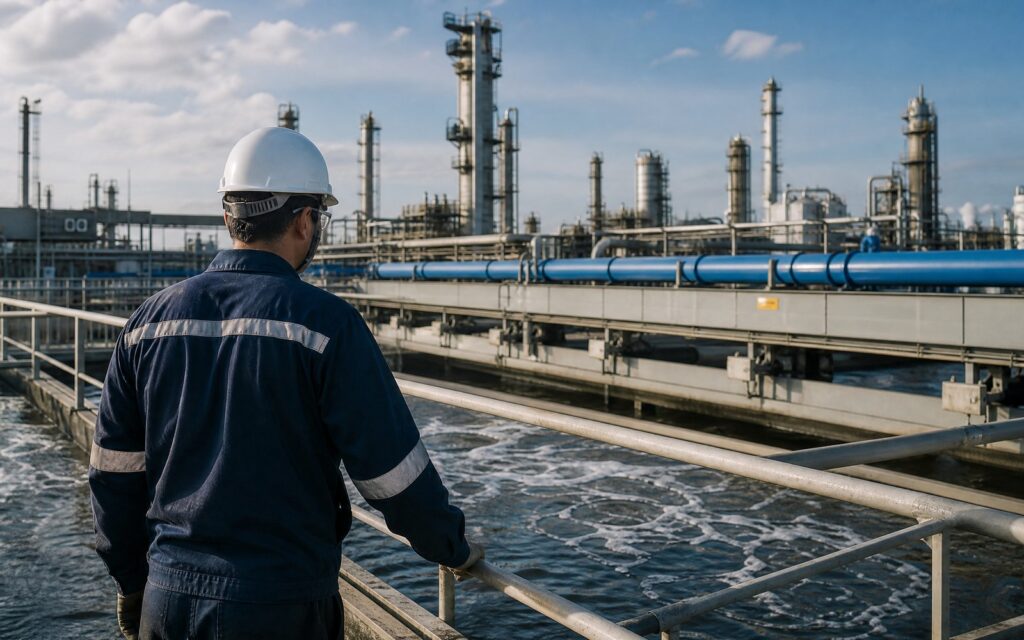
Oil refineries produce large amounts of wastewater, and the treatment of this wastewater is critical in terms of environmental and legal requirements. Refinery wastewater treatment plants aim to dispose of these complex and diverse pollutants effectively without harming the environment. In this article, we will discuss ways to increase efficiency in refinery wastewater treatment plants, which sectors fall under this scope, and which products are used in these processes.
Sectors and Products Covered
Refinery wastewater treatment plants are commonly used, especially in the energy, chemical, and petrochemical sectors. These facilities provide solutions for the treatment of various pollutants arising during crude oil processing. The most common application areas include crude oil processing, petrochemical production, and power plants.
- Sectors: Energy, Chemical, Petrochemical, Environmental Management
- Products: Oil retention systems, physical-chemical treatment units, biological treatment systems, advanced treatment and recovery equipment
Refinery Wastewater Treatment Processes
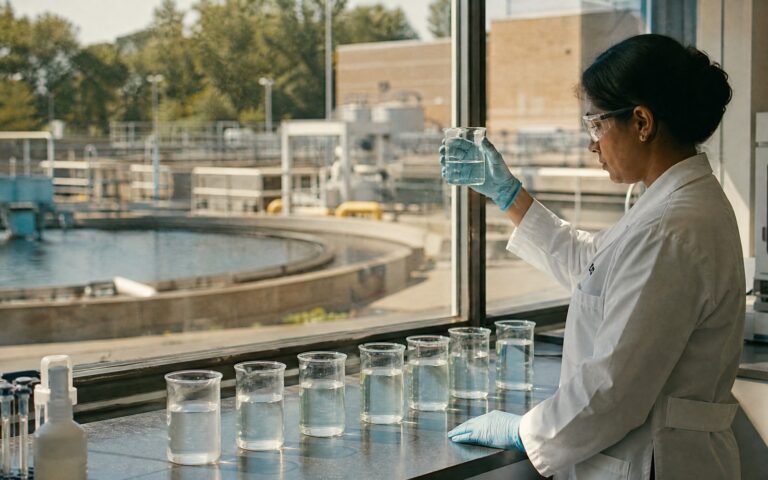
Refinery wastewater treatment processes typically consist of several stages. The first stage is the analysis and characterization of the wastewater at its source. This is a critical step to determine which pollutants are present and which treatment processes are necessary. You can find details about these processes on the Oil Refinery Wastewater Treatment Plants page.
Oil Retention and Pre-Separation Systems
The first step is the separation of oil and other floating substances from the water. API and CPI separators are commonly used for this process. Additionally, DAF (Dissolved Air Flotation) systems also provide an effective solution. These systems collect and separate the oil and solid substances that rise to the surface of the water.
Physical-Chemical Treatment
This stage involves the addition of chemicals that alter the chemical properties of the water and precipitate pollutants. Through methods such as coagulation and flocculation, small particles form larger masses, facilitating the sedimentation process.
Biological Treatment
Biological treatment allows for the breakdown of organic matter present in the water by microorganisms. Systems such as activated sludge systems, SBR (Sequencing Batch Reactor), and MBR (Membrane Bioreactor) are commonly used in this stage. This process enables the biological treatment of water and the biological degradation of pollutants.
Advanced Treatment and Recovery
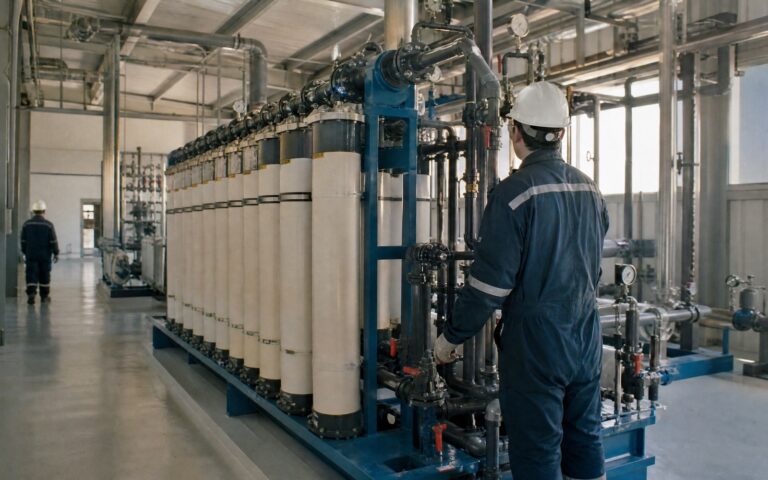
Advanced treatment is the final stage necessary to make the water reusable. In this stage, technologies such as reverse osmosis, ultrafiltration, and nanofiltration are used. These methods enhance water quality by removing dissolved substances and micro-pollutants from the water.
Requirements and Standards
Oil refinery wastewater treatment plants must comply with strict environmental regulations and industry standards. These standards determine the quality of the treated water and its condition before discharge into the environment. Quality management systems such as GMP (Good Manufacturing Practices) and HACCP (Hazard Analysis and Critical Control Points) can also be applied during the design and operation of treatment plants.
Cost and Duration
The cost of refinery wastewater treatment plants varies depending on the technology used, the capacity of the facility, and local regulations. CAPEX and OPEX costs are important factors to consider during the installation and operation of the system. The project duration can vary depending on the size and complexity of the facility.
Common Mistakes and Precautions
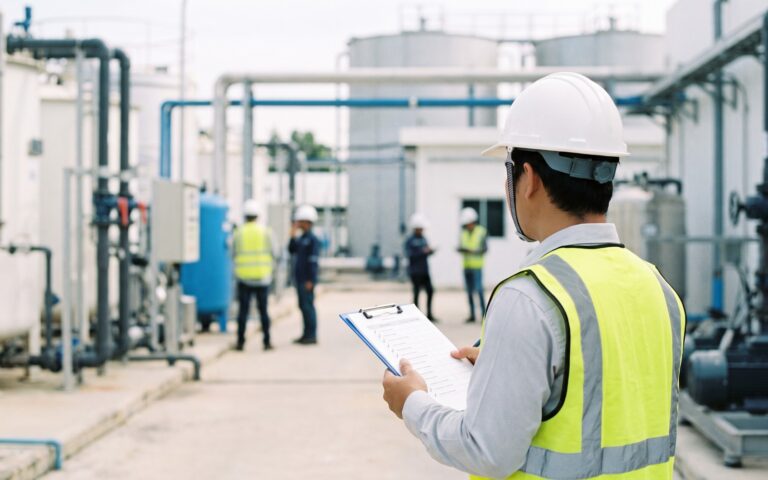
Common mistakes encountered in refinery wastewater treatment plants include incorrect equipment selection, inadequate pre-treatment processes, and imbalances of microorganisms during the biological treatment phase. To avoid these mistakes, a comprehensive analysis should be conducted during the design phase of the facility, and the right equipment should be selected. Additionally, regular maintenance and monitoring processes can enhance the efficiency of the facility.
Clean Room and Equipment Selection
Clean room practices in oil refinery wastewater treatment plants are particularly important in sensitive biological treatment processes. Clean rooms are designed to minimize microorganism contamination. In such environments, air quality, temperature, and humidity control are maintained to enhance the effectiveness of biological processes. Equipment selection also plays a critical role in this process. The right equipment not only increases treatment efficiency but also reduces operating costs. For example, energy-efficient pumps and low-maintenance filter systems provide cost savings in the long run.
Example Scenario: Successful Facility Setup
The first step in establishing a successful refinery wastewater treatment facility is to conduct a comprehensive feasibility study. This study assesses the needs of the facility, local regulations, and environmental impacts. Next comes the selection of appropriate technologies and a detailed design process. During the installation phase, experienced engineers and technicians ensure that the project is completed on time and within budget. In the operational phase, regular training programs and maintenance procedures help maintain the facility’s effectiveness in the long term.
Techniques for Extending Membrane Life in Seawater Reverse Osmosis Modules
Seawater reverse osmosis (RO) systems are one of the critical components of water treatment plants, and the lifespan of the membranes directly affects the overall efficiency of the system. Various techniques and strategies can be implemented to extend membrane life. First, regular maintenance and cleaning procedures are necessary to maintain the performance of the membranes. Chemical cleaning should be performed periodically to prevent issues such as scaling and biological fouling.
Secondly, the effectiveness of pre-treatment systems should be enhanced. The quality of the water entering the reverse osmosis system directly affects the lifespan of the membranes. Therefore, adequately cleaning the water during the pre-treatment phase ensures that the membranes last longer. Pre-treatment methods such as coagulation, flocculation, and microfiltration help reduce the particles and contaminants in the water.
Thirdly, the operating conditions of the system should be carefully monitored. Parameters such as pressure, temperature, and pH levels can affect the performance of the membranes. Keeping these parameters at optimal levels reduces the wear and tear on the membranes. Additionally, by using automatic monitoring systems, abnormal conditions can be quickly detected and addressed.
Quality Management Systems in Wastewater Treatment Plants
Quality management systems in wastewater treatment plants are critical for increasing the efficiency and reliability of the facility. Systems such as GMP (Good Manufacturing Practices) and HACCP (Hazard Analysis and Critical Control Points) can be implemented to ensure quality and safety in the water treatment processes. These systems allow for the identification of potential hazards at every stage and the development of control measures.
GMP ensures that product quality is consistently maintained at high levels, especially in chemical and biological treatment processes. This system includes elements such as process control, documentation, and personnel training. HACCP, on the other hand, identifies and monitors critical control points to ensure the effectiveness and safety of microorganisms, particularly in biological treatment processes.
The effective implementation of quality management systems also facilitates compliance with environmental and legal requirements for wastewater treatment plants. These systems continuously monitor the quality of the treated water, ensuring that it meets the necessary standards before being discharged into the environment.
The Importance of Equipment Selection in Wastewater Treatment Plants
The correct selection of equipment in wastewater treatment plants directly affects the overall performance of the facility and operating costs. It is important to choose technologies that are suitable for the needs of the facility and the requirements of the treatment processes. For example, energy-efficient pumps and filter systems that require low maintenance provide cost savings in the long run.
Correct equipment selection can also reduce the environmental impacts of the facility. Modern treatment technologies enable more effective treatment of water and minimize pollutants. Additionally, the durability and longevity of the equipment contribute to the continuous and reliable operation of the facility.
When selecting equipment, the warranties and technical support services offered by manufacturers should also be considered. Reliable technical support ensures that potential malfunctions are resolved quickly and that the facility operates without interruption.
Common Mistakes and Precautions in Wastewater Treatment Plants
Common mistakes encountered in wastewater treatment plants can negatively affect the efficiency and reliability of the facility. Incorrect equipment selection, inadequate pre-treatment processes, and imbalances of microorganisms during the biological treatment phase are among the leading causes of these mistakes. To avoid such errors, a comprehensive analysis should be conducted during the design phase of the facility, and the correct equipment should be selected.
Furthermore, regular maintenance and monitoring processes can enhance the efficiency of the facility. During the operation phase of the facility, regularly training personnel and continuously monitoring processes allows for early detection and resolution of potential issues. These precautions help maintain the facility’s effectiveness and reliability in the long term.
Membrane Cleaning and Maintenance Strategies in Seawater Reverse Osmosis Modules
Regular cleaning and maintenance of membranes in seawater reverse osmosis systems are critical for ensuring the longevity of the system. Chemical cleaning processes should be performed at regular intervals to maintain the performance of the membranes. These processes prevent the accumulation of scaling, biological fouling, and other contaminants. The solutions used during chemical cleaning should be selected to avoid damaging the membrane surface. Additionally, the frequency of cleaning processes should be adjusted based on water quality and the intensity of system use.
Physical cleaning of the membranes is also important. This process involves removing particles from the membrane surface using water pressure. When physical cleaning is applied in conjunction with chemical cleaning, it extends the lifespan of the membranes and increases the efficiency of the system. Moreover, the condition of the membranes should be continuously monitored using automatic monitoring systems, and interventions should be made when necessary.
Energy Efficiency in Wastewater Treatment Plants
Energy efficiency in wastewater treatment plants is of great importance for both reducing environmental impacts and lowering operational costs. To increase energy efficiency, the energy consumption of the equipment used in the plants should be carefully monitored, and energy-saving technologies should be preferred. For example, high-efficiency pumps and motors can significantly reduce the energy consumption of the plant.
Another way to increase energy efficiency is through process optimization. Optimizing treatment processes can reduce energy consumption while also increasing treatment efficiency. This can be achieved through the effective use of process control systems and continuous monitoring of energy consumption. Additionally, the use of renewable energy sources can also enhance the energy efficiency of the plants. Renewable energy systems such as solar panels or wind turbines can meet part of the plant’s energy needs, thereby reducing energy costs.
Reducing Environmental Impacts in Wastewater Treatment Plants
Reducing the environmental impacts of wastewater treatment plants is a critical step for sustainable environmental management. For this purpose, the chemicals used in the plants should be environmentally friendly and produce minimal waste. Reducing chemical usage can enhance the effectiveness of biological treatment processes. Biological treatment minimizes harm to the environment by allowing organic pollutants to decompose naturally.
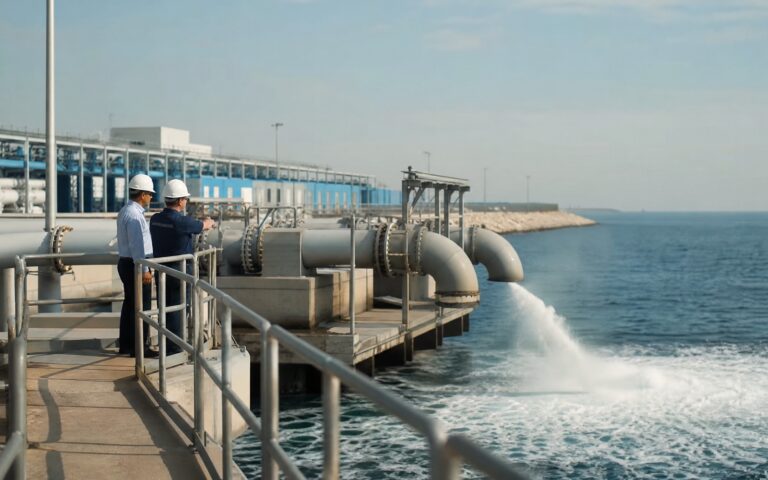
Furthermore, recovery and reuse strategies can be implemented in treatment plants to make water reusable. This contributes to the conservation of water resources and the reduction of water consumption. Recovery processes can improve water quality, making it possible to reuse it for industrial or agricultural purposes. Such practices significantly contribute to reducing environmental impacts and promoting sustainable water management.
Compliance with Permits and Regulations in Wastewater Treatment Plants
The establishment and operation of wastewater treatment plants require compliance with strict environmental regulations and local ordinances. This compliance is essential to minimize the environmental impacts of the plant and meet legal requirements. During the establishment of the plant, it is necessary to obtain the required permits from local environmental authorities and to act in accordance with the conditions of these permits.
Regulatory compliance should be considered from the design phase of the plant. The design of the plant should comply with local and international environmental standards and be planned to minimize environmental impacts. Additionally, regular inspections and reporting should be conducted during the operational phase to ensure continuous regulatory compliance. These processes help enhance the environmental performance of the plant while also maintaining legal compliance.