Seawater desalination plants play a vital role, especially in areas with limited water resources. However, the operation of these plants generally requires high energy consumption. Therefore, increasing energy efficiency is critical for both environmental sustainability and reducing operational costs.
Sectors and Products Covered
Seawater desalination plants are indispensable for industries and regions facing challenges in water supply. These plants are typically used by municipalities, the tourism sector, industrial organizations, and energy production facilities. The products generated include drinking water, water for agricultural irrigation, and process water for industries. Tourist facilities and coastal cities, in particular, have a high demand for such purification systems.
Seawater Purification Process and Energy Efficiency
The seawater purification process generally consists of several main stages: pre-treatment, reverse osmosis, and post-treatment. Each stage has different requirements in terms of energy consumption. Pre-treatment is used to remove large particles and organic matter present in the water. In this stage, low energy-consuming pumps and filter systems should be preferred to achieve energy efficiency.
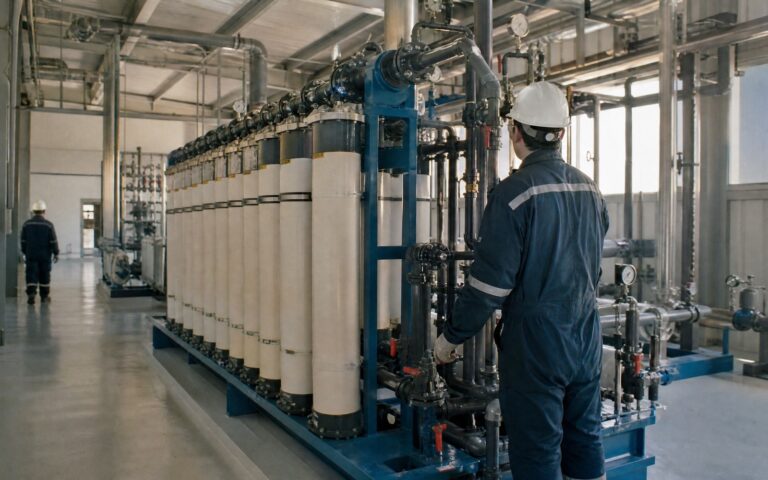
Reverse osmosis is the most commonly used method for desalinating seawater. This process purifies water by passing it through a semi-permeable membrane under high pressure. Energy recovery systems can be utilized in reverse osmosis systems to increase energy efficiency. These systems can significantly reduce energy consumption by recovering a portion of the energy from high-pressure water.
The post-treatment stage includes the final processes necessary to make the water compliant with drinking water standards. In this stage, automatic control systems and energy-efficient equipment can be used to ensure energy efficiency.
Technical Requirements and Standards
The installation and operation of seawater desalination plants are subject to specific technical requirements and standards. These plants must generally operate in accordance with international standards such as ISO 9001 quality management systems and ISO 14001 environmental management systems. Furthermore, the facilities may also need to comply with food safety standards such as HACCP (Hazard Analysis and Critical Control Points), especially when the produced water is used as drinking water.
As in the Wastewater Treatment Plant Installation process, seawater desalination plants must also be in accordance with local regulations and environmental regulations. This is particularly important regarding issues such as wastewater discharge and chemical use.
Cost and Time Management
The cost of seawater desalination plants can vary depending on the plant’s capacity, technologies used, and local regulations. Generally, systems with higher energy efficiency may have higher initial costs but can reduce operational costs in the long run.
The installation and commissioning of the facility can usually take several months. During this time, effective project management and coordination are critical for timely delivery and budget control.
Common Mistakes and Ways to Avoid Them
One common mistake in seawater desalination plants is the inability to properly manage energy consumption. Regular maintenance of systems and continuous monitoring of energy consumption are important for achieving energy efficiency. Additionally, improper equipment selection can also increase energy consumption. Therefore, equipment selection must be appropriate to the facility’s needs.
Another common mistake is non-compliance with local environmental regulations. This situation can lead to serious legal issues and penalties. Thus, it’s necessary to carefully examine local regulations and obtain the required permits during the installation of the facility.
Equipment Selection for Energy Efficiency
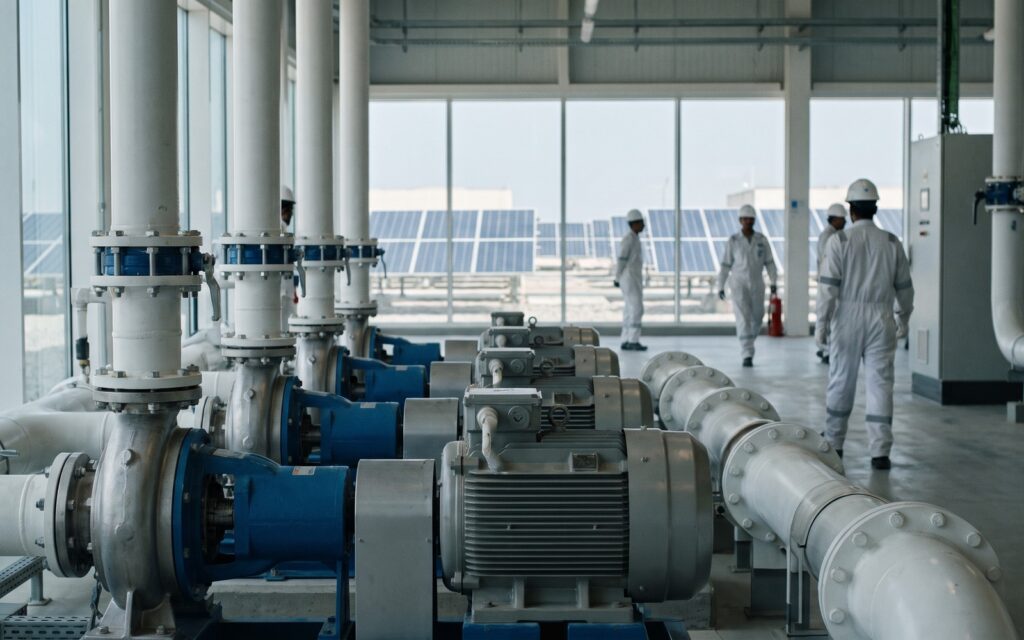
Choosing the right equipment is critical for increasing energy efficiency in seawater desalination plants. High-efficiency pumps, low energy-consuming membranes, and energy recovery systems can significantly reduce energy consumption. When selecting equipment, the capacity and operating conditions of the facility must be considered. Regular maintenance and calibration of equipment can also improve energy efficiency in the long run.
Permits and Regulations
During the installation of seawater desalination plants, it is necessary to obtain the required permits to ensure compliance with local and national regulations. These permits may cover environmental impact assessments, water use permits, and waste management. Ensuring compliance with regulations is important for preventing legal issues and supporting environmental sustainability. The permit processes can be time-consuming; therefore, these durations should be taken into account in project planning.
Energy Recovery Systems in Seawater Desalination Plants
Energy recovery systems in seawater desalination plants are one of the most effective ways to enhance energy efficiency. These systems significantly reduce energy consumption by recovering some of the energy from high-pressure water used in the reverse osmosis process. Energy recovery systems typically employ technologies such as pressure exchangers and turbochargers. Pressure exchangers transfer the energy of high-pressure water to low-pressure water, saving energy. Turbochargers convert the kinetic energy of high-pressure water into mechanical energy, consequently reducing the energy requirements of pumps.
Regular maintenance and calibration are necessary for these systems to operate effectively. Additionally, it’s important that energy recovery systems are selected according to the facility’s capacity and water quality. An incorrectly selected or inadequately sized system may not provide the expected energy savings and could increase operational costs.
Quality Management and Monitoring Systems
Quality management in seawater desalination plants is critical to ensure that water is treated safely and in accordance with standards. International standards such as ISO 9001 and ISO 14001 require facilities to establish and maintain an effective quality management system. These standards ensure the continuous monitoring and control of water quality.
As part of quality management, the physical, chemical, and biological parameters of the water must be regularly monitored. This monitoring is necessary to ensure compliance with drinking water standards. Additionally, compliance with food safety standards like HACCP is particularly important in drinking water production. These standards involve identifying and monitoring critical control points to ensure the safety of the water.
Clean Room Applications in Seawater Desalination Plants
Clean room applications in seawater desalination plants become essential, especially when the water is to be used as drinking water. Clean rooms provide controlled environments designed to prevent water contamination and maintain high hygiene standards. These rooms are equipped with special filtration systems and airflow control to minimize particulate and microbial contamination.
Clean room applications can be used during certain stages of the water purification process. For example, clean rooms may be utilized in the post-treatment stage to ensure that the water meets drinking water standards. These applications improve water quality, reduce health risks, and ensure the facility’s compliance with international standards.
Cost Items in Seawater Desalination Plants
The cost items of seawater desalination plants can vary based on several factors such as plant design, equipment selection, energy consumption, and maintenance requirements. Initial investment costs can be high; however, systems and equipment that provide energy efficiency can reduce operational costs in the long run.
One of the most significant elements among cost items is energy consumption. Energy-intensive processes like reverse osmosis systems can constitute a large portion of operational costs. Therefore, selecting energy-efficient equipment and integrating energy recovery systems is critical for cost reduction. Other cost items include maintenance and repair expenses, personnel costs, and chemical use costs. Effective management of these items enhances the economic sustainability of the facility.
Advanced Technologies for Energy Efficiency in Seawater Desalination Plants
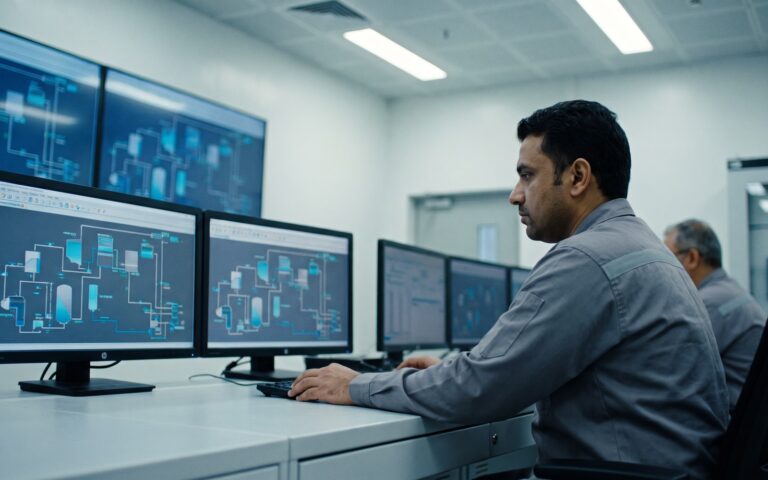
The use of advanced technologies to improve energy efficiency in seawater desalination plants is becoming increasingly common. These technologies include smart control systems, integration of renewable energy sources, and advanced membrane technologies. Smart control systems monitor and analyze the operational data of the facility in real time to optimize energy consumption. These systems can automatically adjust pump speeds and pressure levels to reduce energy consumption.
Integration of renewable energy sources can enhance the energy independence of seawater desalination plants. In particular, solar and wind energy can be utilized to meet the energy needs of the plants. Such energy sources reduce dependence on fossil fuels, lowering costs and supporting environmental sustainability.
Advanced membrane technologies allow for water treatment with lower energy consumption. Next-generation membranes provide higher permeability and lower pressure requirements, enhancing energy efficiency. Integrating these technologies can significantly reduce the energy consumption of seawater desalination plants.
Environmental Impact Assessment in Seawater Desalination Plants
Conducting an environmental impact assessment (EIA) is mandatory during the installation phase of seawater desalination plants. EIA identifies potential impacts of the plant on the environment and outlines measures to mitigate these effects. This process encompasses issues such as the conservation of water resources, the sustainability of marine ecosystems, and waste management.
Environmental impact assessments should be considered from the design phase of the facility. This assessment is crucial to ensure the protection of ecosystems in areas from which water is withdrawn and discharged. Additionally, issues such as chemical use and wastewater management should also be addressed within the EIA framework. EIA reports must be prepared in accordance with local and national environmental regulations and approved by the relevant authorities.
Training and Awareness for Energy Efficiency in Seawater Desalination Plants
Training of personnel and raising awareness is important for improving energy efficiency in seawater desalination plants. Training programs provide facility employees with knowledge about energy efficiency practices. These programs cover topics such as the use of energy-saving equipment, maintenance of systems, and monitoring energy consumption.
Awareness campaigns are an effective tool to emphasize the importance of energy efficiency and raise employee consciousness about it. These campaigns can enhance worker motivation for reducing energy consumption and supporting environmental sustainability. Additionally, performance monitoring systems can be established to set energy efficiency goals and achieve them. Such systems can enhance the energy efficiency performance of the facility by continuously monitoring and reporting energy consumption.