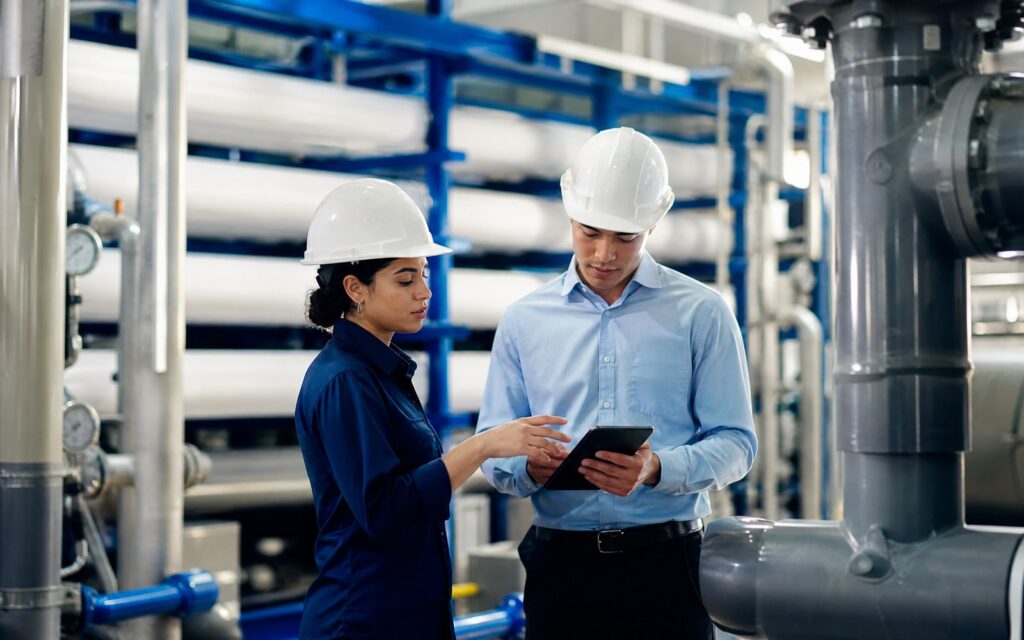
Seawater desalination plants are becoming increasingly important to meet the growing water demand and to protect freshwater resources. The selection of the right equipment is crucial for the efficient operation of these facilities. There are many factors to consider in equipment selection, and this guide will address the processes, standards, and other technical details that should be taken into account.
Sectors and Products Covered
Seawater desalination plants are commonly used in areas with high water consumption, such as hotels, resorts, and industrial facilities located in coastal regions. Additionally, the agriculture sector and power plants are other significant sectors that require seawater desalination technologies. The products produced in these facilities include various forms such as drinking water, industrial use water, and agricultural irrigation water.
Seawater Desalination Process
The seawater desalination process generally consists of several stages. In the first step, the analysis and characterization of raw water are conducted. This stage is critical for determining the salinity, hardness, and other chemical components contained in the water. Then, pre-treatment systems come into play. Chemical processes such as coagulation and flocculation allow for the precipitation of suspended solids in the water.
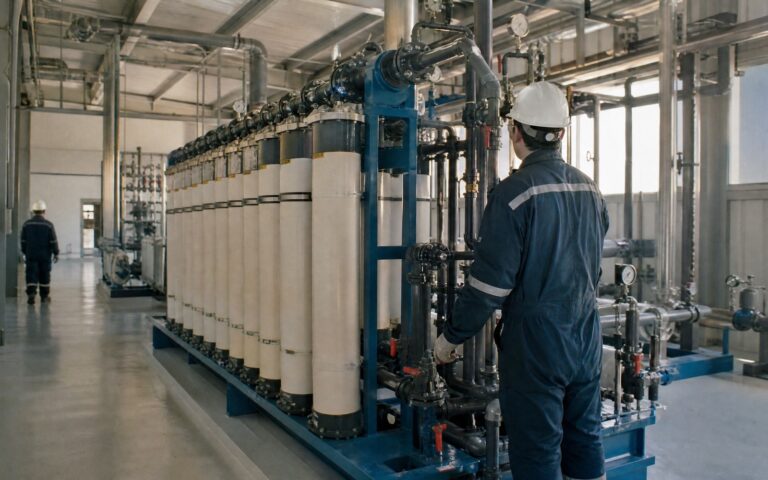
Settling and filtration units further purify the water, while membrane technologies (e.g., ultrafiltration and reverse osmosis) enable the removal of salt from the water. Finally, disinfection and post-treatment processes ensure that the water is microbiologically safe. Each of these processes is a critical stage that must be considered in equipment selection.
Considerations in Equipment Selection
In equipment selection, the capacity of the facility and the chemical properties of the water should be considered first. Capacity planning should be done to meet the daily water needs of the facility. Additionally, the salinity level of the water and other chemical properties play a decisive role in the selection of membranes and other equipment to be used.
Energy consumption and operating costs are also important factors in equipment selection. Equipment with high energy efficiency provides cost savings in the long run. Optimizing chemical consumption is also important for reducing operating costs. Process safety and 24/7 operational continuity are other significant factors that should be taken into account in equipment selection.
Permits and Standards
Obtaining the necessary permits for the establishment of seawater treatment plants is an important issue that should be addressed in the initial phase of the project. Compliance with local and international standards ensures that the plant operates smoothly both legally and operationally. Especially when it comes to drinking water production, compliance with quality standards such as GMP (Good Manufacturing Practices) and HACCP (Hazard Analysis and Critical Control Points) must be ensured.
Common Mistakes
Common mistakes made during the establishment of seawater treatment plants include insufficiently detailed chemical analysis of the water and incorrect capacity planning. Additionally, not giving enough importance to the optimization of energy and chemical consumption can increase operating costs in the long run. In equipment selection, it is important to consider long-term efficiency and maintenance costs rather than making decisions solely based on cost.
Clean Room and Quality Control
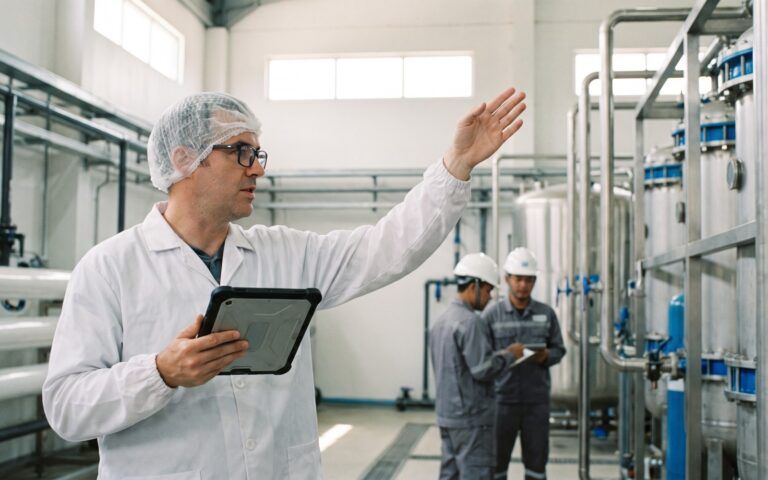
In seawater treatment plants, especially in drinking water production, clean room practices and quality control processes are of great importance. Clean rooms minimize the risk of microbiological contamination and guarantee the quality of the water. In these rooms, air filtration systems and sterilization equipment are used to ensure that the water is produced in accordance with the highest quality standards.
Quality control processes include chemical and microbiological analyses of the water. These analyses should be conducted regularly to determine whether the water meets drinkability criteria. Additionally, quality control processes are critical for evaluating the overall performance of the plant and for early detection of potential issues.
Example Scenario: Treatment Plant for a Coastal Hotel
The establishment of a seawater treatment plant for a coastal hotel is important for meeting the hotel’s water needs and ensuring sustainable water management. In such a facility, a system should be designed and installed that is suitable for the hotel’s daily water consumption. For example, if the hotel’s daily water consumption is 500 cubic meters, the plant should be planned to meet this capacity.
In this scenario, energy efficiency and operating costs should be taken into account in equipment selection. Additionally, advanced sensors and automation systems can be used to continuously monitor the quality of the water. Such a facility not only meets the hotel’s water needs but also contributes to achieving environmental sustainability goals.
Equipment Used in Seawater Treatment Plants
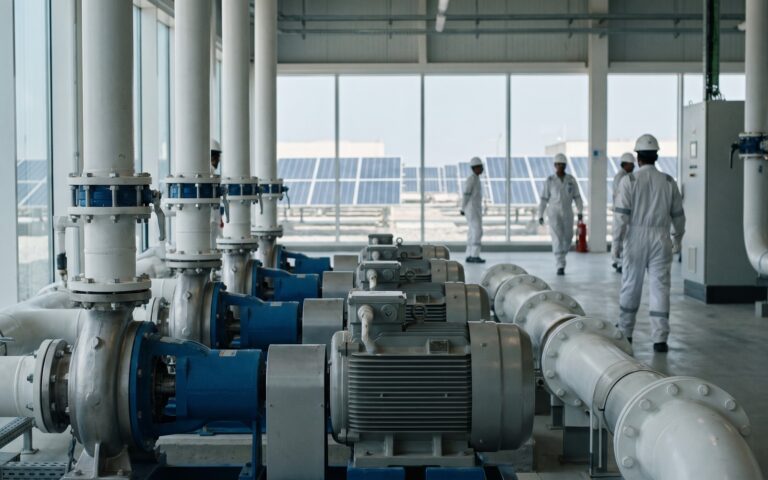
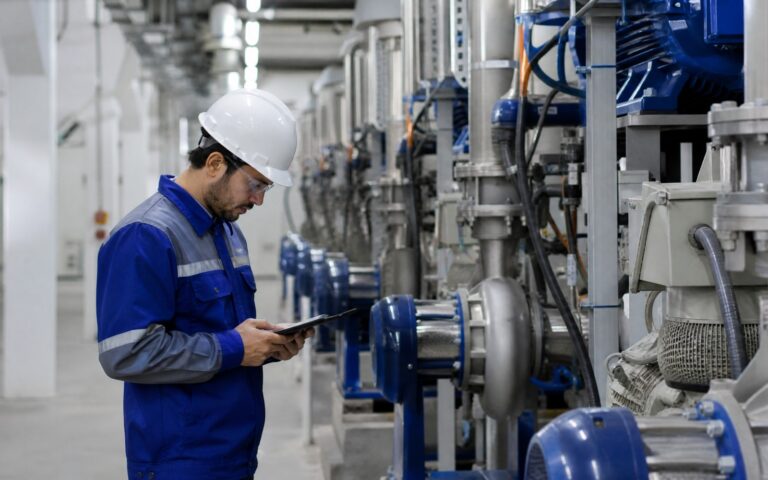
The equipment used in seawater treatment plants is critical for the efficiency of the facility and the maintenance of water quality. This equipment includes pumps, filters, membrane systems, and chemical dosing units. Pumps ensure that water is transported within the facility at the correct pressure and flow rate, while filters help remove particles from the water. Membrane systems, particularly those using reverse osmosis technology, provide desalination of the water. Chemical dosing units allow for the precise addition of necessary chemicals for the pH balance and microbiological safety of the water.
Compliance with Quality Standards and Audit Processes
Compliance with quality standards in seawater treatment plants is important for ensuring product quality and meeting legal requirements. Standards such as GMP and HACCP guarantee that the water is safe and potable. Regular audits and quality control tests must be conducted to ensure compliance with these standards. Audit processes check the adherence to quality standards at every stage of the facility and allow for corrective actions to be taken by detecting possible deviations. These processes are essential for the long-term success and reliability of the facility.
Energy Management in Seawater Treatment Plants
Energy management is an important factor that directly affects the operating costs of seawater treatment plants. Optimizing energy consumption is critical for both environmental sustainability and economic efficiency. Using energy-efficient pumps and motors is one of the most effective ways to reduce energy consumption. Additionally, energy recovery systems provide cost savings by reducing the total energy needs of the facility. These systems recover a portion of the energy used in energy-intensive processes like reverse osmosis for reuse.
Advanced Technologies for Seawater Treatment Plants
Advanced technologies used in seawater treatment plants make the water treatment processes more efficient and sustainable. These technologies include advanced membrane materials, smart sensors, and automation systems. Advanced membranes have a higher salt retention capacity, allowing for more effective water treatment. Smart sensors continuously monitor water quality, enabling early detection of potential issues. Automation systems optimize the operational processes of the facility, reducing the need for human intervention and lowering operating costs.
Equipment Selection Checklist for Seawater Treatment Plants
The selection of equipment in seawater treatment plants is critical for the efficiency of the facility and the provision of water quality. Here are some important factors to consider in equipment selection:
- Capacity and Scale: Equipment should be selected with the capacity to meet the facility’s daily water needs. This is important for meeting both current and future water demands.
- Energy Efficiency: Energy consumption directly affects operating costs. Therefore, equipment with high energy efficiency should be preferred.
- Chemical Resistance: The equipment to be used must be resistant to the chemical components of seawater. Especially, salt and other minerals can have a corrosive effect on the equipment.
- Maintenance and Spare Parts: The ease of maintenance of the equipment and the availability of spare parts are important for long-term operational continuity.
Common Problems Encountered in Seawater Treatment Plants
Common problems encountered in seawater treatment plants can negatively affect the efficiency of the facility and water quality. Among these problems, equipment failures and chemical imbalances in the water are the most significant. Here are some measures that can be taken against these problems:
- Preventive Maintenance: Regular maintenance of the equipment helps prevent failures. This ensures the uninterrupted operation of the facility.
- Chemical Analysis: Regular chemical analysis of the water allows for early detection of possible imbalances.
- Staff Training: Regular training of facility personnel ensures that equipment is used correctly and effectively.
Cost Items in Seawater Treatment Plants
The establishment and operation of seawater treatment plants involve various cost items. Proper management of these costs is important for the economic sustainability of the facility. Here are some cost items to consider:
- Installation Costs: Initial costs such as construction of the facility, equipment purchase, and installation constitute a significant part of the project’s total budget.
- Operating Costs: Operating costs such as energy consumption, chemical usage, and personnel expenses are necessary for the daily operations of the facility.
- Maintenance and Repair Costs: The budget allocated for regular maintenance of the equipment and repair of possible failures is important for long-term operational continuity.
Use of Advanced Technologies in Seawater Treatment Plants
The use of advanced technologies in seawater treatment plants makes the water treatment processes more efficient and sustainable. These technologies include advanced membrane materials, smart sensors, and automation systems. Advanced membranes have a higher salt retention capacity, allowing for more effective water treatment. Smart sensors continuously monitor water quality, enabling early detection of potential issues. Automation systems optimize the operational processes of the plant, reducing the need for human intervention and lowering operating costs.