
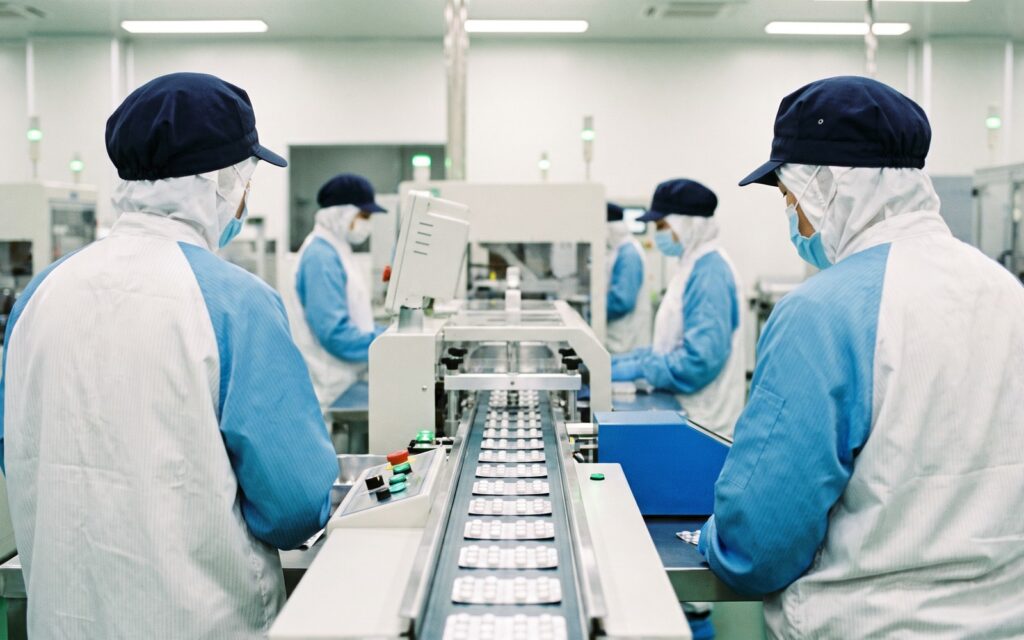
Human Pharmaceutical Production Solutions
Facility setups, filling lines, and hygienic area solutions for human pharmaceutical production. Project scenarios and details specific to pharmaceutical companies.
Get free consulting for your Human Pharmaceutical Production project
Building the right facilities and optimizing production processes are essential for human pharmaceutical manufacturers. Many different organizations such as pharmaceutical companies, generic manufacturers, biotechnology firms, pharmaceutical research laboratories, API producers, contract manufacturing companies, herbal product manufacturers, OTC producers, veterinary drug companies, biological product manufacturers, vaccine producers, and hormone producers are involved in this field.
These companies in the sector require advanced facility infrastructure to produce at high standards. Key solutions include filling lines, hygienic production areas and MEP (mechanical, electrical and plumbing) systems. The correct selection of equipment and technology plays a critical role in ensuring quality and reliability at every stage. Compliance with GMP (Good Manufacturing Practices) standards must also be ensured in these processes.
In human pharmaceutical manufacturing, filling line efficiency directly affects production capacity. Therefore, the design and installation of filling lines ensure that production processes operate seamlessly and efficiently. Additionally, the creation and control of hygienic areas are vital for maintaining product quality.
MEP systems increase the energy efficiency of pharmaceutical production facilities while also reducing operational costs. These systems are specifically designed to meet all operational requirements of the facility. HVAC (Heating, Ventilation, and Air Conditioning) systems provide climate control for production areas, thus preserving the stability of pharmaceuticals.
The procurement and installation of equipment used in drug production, as well as the regular maintenance and calibration of this equipment, are also important. Proper management of these processes is critical for the continuity of production processes and the maintenance of product quality.
- Human pharmaceutical production facility setup
- Integration of filling lines
- Design and setup of hygienic areas
- Development of MEP systems
- Installation of HVAC systems
- GMP-compliant production areas
- Development of laboratory infrastructure
- Optimization of quality control processes
- Integration of automation systems
- Storage and logistics solutions
- Design of R&D laboratories
- Increase in production capacity
Regulatory compliance is the key to success for human pharmaceutical manufacturing facilities. Facility setups in accordance with GMP, FDA, and other international standards increase the reliability of production processes and ensure that products are accepted in the market.
Example Project Scenario
A filling line development project for a pharmaceutical company is designed to increase the production capacity of the facility. The project begins with an assessment of the existing infrastructure and continues with the integration of new filling lines. During this process, the creation of hygienic areas and the updating of MEP systems is ensured.
- Existing infrastructure analysis → Filling line design → MEP system updates → Hygienic area setup → Personnel training → Production starts
In human pharmaceutical manufacturing, managing every process through a single partner is key to project success. By presenting all the solutions you need under one roof, we can make your production processes more efficient and reliable. Please contact us for detailed information and project support.
How We Can Help
Human pharmaceutical manufacturing facility installation
With pharmaceutical manufacturing facility installation projects, the necessary infrastructure and equipment for all production processes are provided. Facilities compliant with GMP standards are created.
Filling line integration
Filling line design and integration are provided to increase production capacity. This project enhances the efficiency of production processes.
Hygienic area design and installation
Hygienic areas are designed and constructed to maintain product quality. These areas enhance the reliability of production processes.
MEP systems development
MEP systems increase the energy efficiency of the facility while reducing operational costs. These projects meet all operational requirements.
HVAC system installation
HVAC systems provide climate control for production areas. These systems preserve the stability of pharmaceuticals and enhance the reliability of production processes.
GMP compliant production areas
By creating production areas that comply with GMP standards, the quality and reliability of products are increased. These projects ensure compliance with regulations.
Laboratory infrastructure development
Laboratory infrastructure projects support R&D and quality control processes. Laboratories equipped with modern equipment and technology are established.
Quality control process optimization
By optimizing quality control processes, the aim is to increase product reliability and improve production processes.
Automation systems integration
Efficiency is increased through the automation of production processes. Automation systems minimize production errors.
Storage and logistics solutions
Storage and logistics solutions ensure continuity and efficiency in production processes. These projects aim for effective use of storage areas.
R&D laboratory design
R&D laboratories support innovative product development processes. Research processes are accelerated with modern and flexible laboratory designs.
Production capacity increase
Facilities are restructured and equipped with modern equipment to increase production capacity. These projects enhance the efficiency of production processes.
Which of these solutions fits your Human Pharmaceutical Production project?
Get a free initial assessment and we'll identify the right solution for your project. We reply within 24 hours.
Frequently Asked Questions
How long does the facility installation process take?
The facility installation duration varies depending on the scope of the project and the size of the facility. It can generally take from several months to a year. A detailed schedule is created during project planning to manage the process.
How are installation costs determined?
Installation costs are determined based on the size of the facility, the equipment used, and the technologies implemented. A comprehensive cost analysis is conducted at the beginning of the project to prepare the budget.
Which regulations are adhered to?
Human pharmaceutical manufacturing facilities comply with GMP, FDA and other international standards. This compliance ensures the reliability of production processes and the acceptance of products in the market.
How is the project initiated?
To initiate the project, a needs analysis is first conducted, and requirements are identified. Then, a detailed project plan is created, and the installation process is started. Expert teams are involved in all processes.
What technologies are used in facility installation?
The latest technologies and equipment are used in facility installation. Modern solutions such as automation systems, MEP, and HVAC are integrated to increase the efficiency of production processes.
How are GMP compliant areas created?
GMP compliant areas are designed and constructed in accordance with regulations. Quality control is ensured at every stage of the production processes to enhance product reliability.
How is filling line integration carried out?
Filling line integration starts with the evaluation of the existing production infrastructure. New filling lines are designed and integrated into the current system. During this process, hygienic areas and MEP systems are also updated.
Why are MEP systems important?
MEP systems optimize the energy efficiency and operational costs of the facility. These systems are designed and implemented to meet all operational requirements of the facility.
What advantages do automation systems provide?
Automation systems increase the efficiency of production processes and reduce error rates. These systems ensure that production processes are carried out more quickly and reliably.
Request a Quote for Your Project
Our experts are ready to design a solution around your requirements.
Contact Get in Touch Our projects →Related Services
Related Guides
Guides on setup, costs and regulations
-
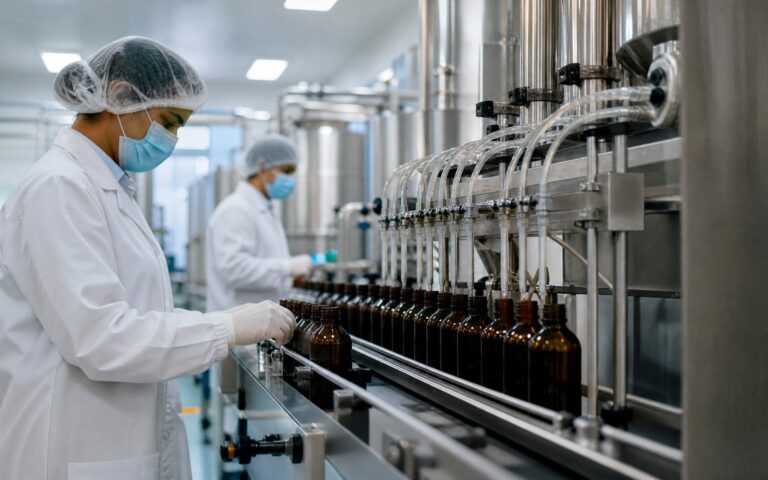 How to Set Up a Liquid Pharmaceutical Facility?
Discover the necessary steps and considerations for establishing liquid pharmaceutical production facilities. Get guidance on quality management systems…
Read more
-
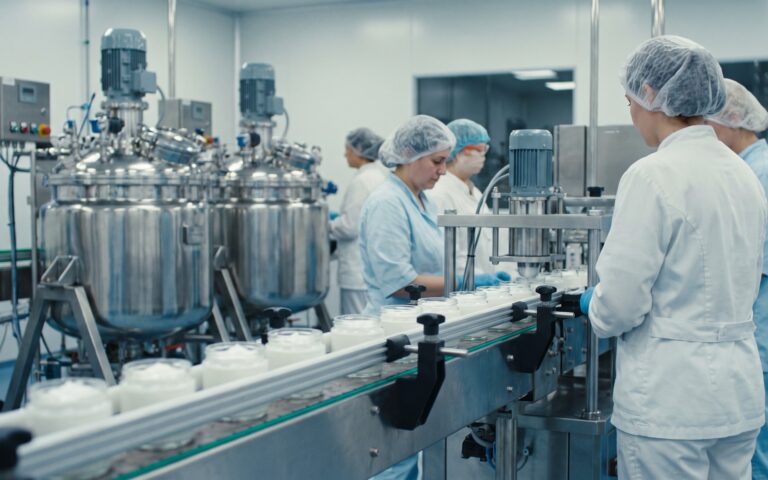 How to Establish a Cosmetic Manufacturing Factory?
How to establish a cosmetic manufacturing factory? A detailed guide with step-by-step processes, requirements, and cost analyses.
Read more
-
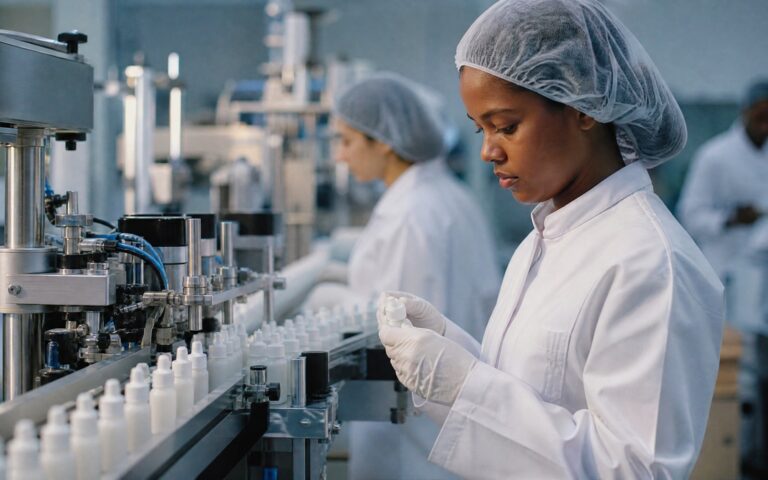 How to Establish a Liquid Filling Production Factory?
Explore the sectors, products, and process steps in the establishment of a liquid filling production factory.
Read more
-
 How to Establish a Plastic Mold Production Factory?
A comprehensive guide on the processes, cost elements, and requirements to consider in the establishment of a plastic…
Read more