Seawater treatment plants play a critical role in providing safe and clean water. In these facilities, HACCP (Hazard Analysis and Critical Control Points) applications are an important process to ensure the safety and quality of water. HACCP helps identify potential hazards in water treatment processes and control these hazards. In this guide, we will discuss the importance and processes of HACCP applications in seawater treatment plants.
Industries and Products Covered
Seawater treatment plants are used in many sectors, primarily for drinking water supply. Particularly, tourist facilities by the sea, hotels, ship and yacht operations, industrial facilities, and municipalities benefit from these systems. Products are produced in various forms such as treated drinking water, industrial use water, and agricultural irrigation water.
Seawater Treatment Processes
A series of processes are applied to make seawater drinkable in seawater treatment plants. These processes include pre-treatment, coagulation and flocculation, sedimentation, filtration, reverse osmosis using membrane technologies, disinfection, and final treatment. Each stage is critical for enhancing the quality and safety of water.
Pre-Treatment
The pre-treatment stage aims to remove large particles and organic matter from seawater. Equipment used in this stage includes sand filters and microfiltration systems. Pre-treatment is necessary to increase the efficiency of subsequent processes.
Coagulation and Flocculation
Coagulation and flocculation facilitate the aggregation of small particles in the water to form larger particles. This process is carried out using chemical substances and reduces the turbidity of the water.
Sedimentation and Filtration
Sedimentation allows solid materials in the water to settle at the bottom, facilitating their separation from the water. Filtration ensures the complete removal of these sediments from the water. Sand or activated carbon filters are typically used in this stage.
Membrane Technologies and Reverse Osmosis
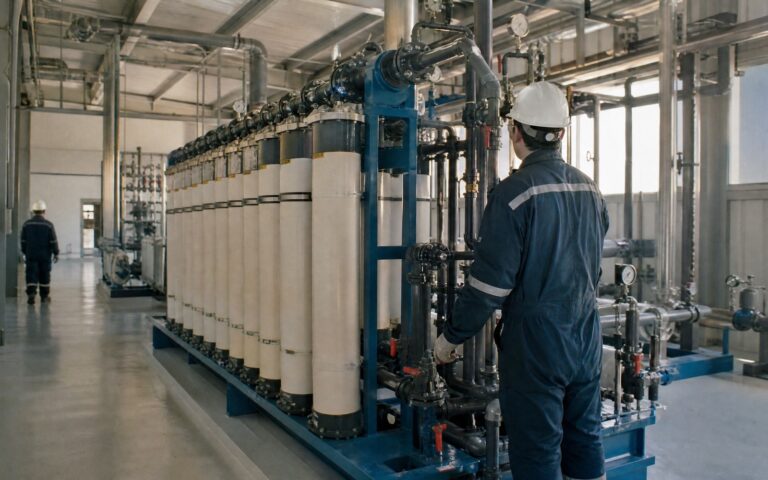
Reverse osmosis is one of the most effective methods used to desalinate seawater. This technology separates salts and other dissolved substances from water by passing it through a semi-permeable membrane under high pressure. This process forms the core of seawater treatment plants and makes the water drinkable.
Disinfection and Final Treatment
Disinfection is a critical stage to ensure the microbiological safety of water. Chlorination or UV disinfection is typically used in this stage. Final treatment is carried out to improve the taste and odor of the water.
Requirements and Standards
In seawater treatment plants, various requirements and standards must be considered along with HACCP applications. These standards include quality management systems such as GMP (Good Manufacturing Practices) and HACCP. These systems ensure the safety and quality of water, protecting consumer health.
Quality Management Systems
Quality management systems are used to continuously monitor and improve the quality of water in seawater treatment plants. These systems are supported by regular audits and tests. Systems like HACCP and GMP ensure that the water is safe and of high quality at every stage.
Permits and Legal Regulations
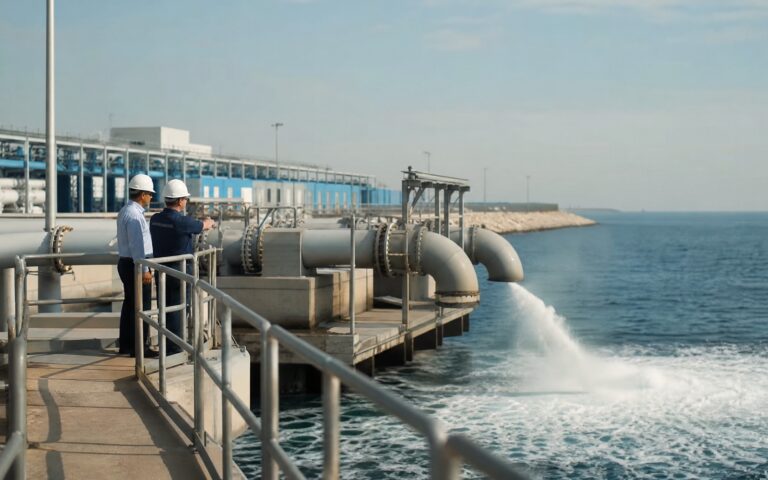
The establishment and operation of seawater treatment plants are subject to various permits and legal regulations. These regulations are implemented to minimize environmental impacts and ensure the safety of water. The plants must be designed and operated in accordance with local and international standards.
Cost and Duration
The cost of seawater treatment plants varies depending on the capacity of the plant, the technology used, and the equipment. The establishment of the plant generally requires a high initial investment, but the benefits it provides in the long term can offset these costs. The installation and commissioning of the plants can typically take several months. During this process, stages such as design, equipment selection, and assembly must be carefully planned.
Return on Investment
Investments in seawater treatment plants can provide significant returns in the long run. Reducing operating costs and ensuring a continuous supply of water can shorten the payback period of the investment. Additionally, factors such as environmental sustainability and the conservation of water resources also increase the value of the investment.
Common Mistakes
Common mistakes made in seawater treatment plants include inadequate pre-treatment, incorrect equipment selection, and lack of maintenance. Inadequate pre-treatment can lead to membrane fouling and decreased system efficiency. Incorrect equipment selection can negatively affect the capacity and functionality of the plant. Furthermore, failure to perform regular maintenance can lead to system failures and unexpected costs. To avoid these mistakes, careful planning and expert consulting at every stage is essential.
Example Scenario: Establishing a Seawater Treatment Plant
Let’s consider the establishment of a seawater treatment plant for a hotel by the sea. In the first step, the capacity of the plant and the water needs are determined. Subsequently, suitable technology and equipment are selected. The design of the plant is carried out in accordance with local legal regulations. During the installation process, assembly and commissioning operations are performed by expert engineers. With the commissioning of the plant, regular maintenance and quality control processes are initiated. This scenario summarizes the steps that need to be considered in the establishment and operation of seawater treatment plants.
HACCP Implementation Steps in Seawater Treatment Plants
HACCP applications in seawater treatment plants are carried out by following specific steps to ensure the safety and quality of the water. The first step is to identify potential hazards. At this stage, biological, chemical, and physical hazards that may be encountered throughout all treatment processes are analyzed, starting from the source of the water. Then, critical control points (CCP) are determined to control these hazards.
After determining the critical control points, critical limits are defined for each CCP. These limits represent the acceptable maximum or minimum values to ensure the safety of the water. For example, the chlorine level used in the disinfection stage may need to be maintained within a certain range.
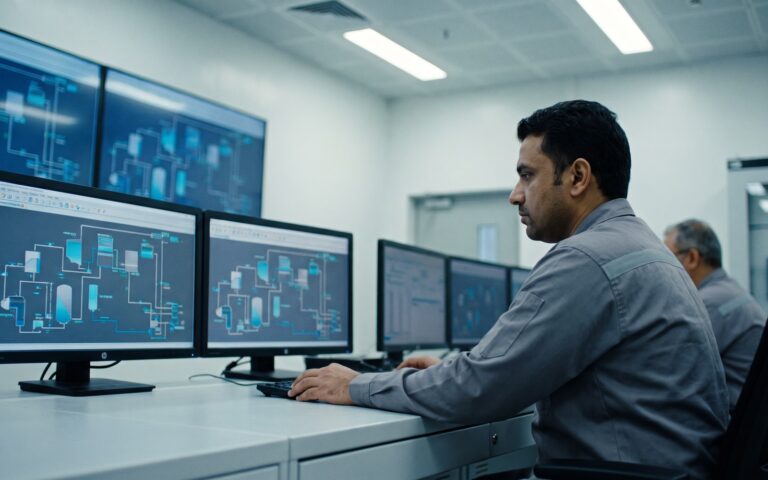
The next step is to monitor and control the critical control points. This process is supported by regular tests and measurements. When any deviation is detected, corrective actions must be taken. These actions should be implemented quickly and effectively to restore the safety of the water.
Equipment Selection in Seawater Treatment Plants
The correct selection of equipment in seawater treatment plants is critical for the efficiency of the plant and the quality of the water. When selecting equipment, the capacity of the plant, the chemical composition of the water, and the treatment goals should be taken into account. For example, more durable and effective membrane systems should be preferred for seawater with high salinity levels.
Additionally, the energy efficiency of the equipment should also be considered. Energy consumption is a factor that directly affects operating costs. Therefore, equipment such as energy-saving pumps and motors should be preferred. The ease of maintenance of the equipment and the availability of spare parts are also important criteria in the selection process.
Clean Room Applications in Seawater Treatment Plants
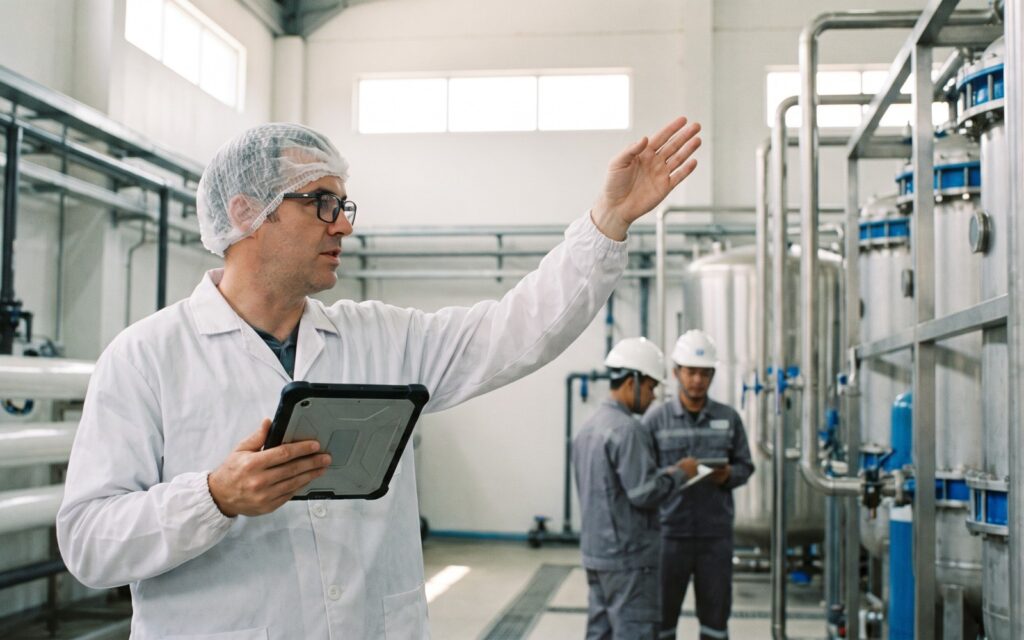
Clean room applications in seawater treatment plants play a critical role in ensuring the microbiological safety of water. Clean rooms are designed to minimize the risk of contamination in areas where water is treated and stored. These areas are constructed in accordance with specific air quality and hygiene standards.
Technologies such as air filtration systems and positive pressure control are used within clean room applications. These systems prevent dust, bacteria, and other pollutants from entering from the external environment. Additionally, access to clean room areas by personnel is strictly controlled, and wearing special clothing is made mandatory.
Comparative Cost Analysis in Seawater Treatment Plants
The cost analysis of seawater treatment plants requires a detailed examination of the cost items that may be encountered during the establishment and operation of the facility. Initial investment costs vary depending on the capacity of the facility and the technology used. For example, reverse osmosis systems typically require high initial costs but offer low operating costs in the long run.
Operating costs include energy consumption, chemical usage, maintenance, and personnel expenses. Energy costs can constitute a significant portion of the total operating costs of the facility. Therefore, using energy-efficient equipment can contribute to reducing costs.
Finally, the environmental impacts of the facility and sustainability goals should also be considered in the cost analysis. Compliance with environmental regulations and the protection of water resources can provide long-term cost advantages.
The Importance of HACCP Applications in Seawater Treatment Plants
HACCP applications in seawater treatment plants are essential for ensuring the safety and quality of water. This system identifies biological, chemical, and physical hazards that may be encountered during the water treatment process and ensures that these hazards are controlled. HACCP guarantees that water is safe and potable at every stage. This application is particularly critical for ensuring the microbiological safety of water.
HACCP applications help in the early identification of risks that may be encountered during the water treatment process and in minimizing these risks. This process encompasses all treatment stages, starting from the source of the water. Potential hazards are analyzed at each stage, and critical control points (CCP) are established to control these hazards. These points are continuously monitored and controlled to ensure the safety of the water.
The Importance of Equipment Selection in Seawater Treatment Plants
The correct selection of equipment in seawater treatment plants is critical for the efficiency of the plant and the quality of the water. When selecting equipment, the capacity of the plant, the chemical composition of the water, and the treatment goals should be taken into account. For example, more durable and effective membrane systems should be preferred for seawater with high salinity levels.
Additionally, the energy efficiency of the equipment should also be considered. Energy consumption is a factor that directly affects operating costs. Therefore, equipment such as energy-saving pumps and motors should be preferred. The ease of maintenance of the equipment and the availability of spare parts are also important criteria in the selection process.
Clean Room Applications in Seawater Treatment Plants
Clean room applications in seawater treatment plants play a critical role in ensuring the microbiological safety of the water. Clean rooms are designed to minimize the risk of contamination in areas where water is treated and stored. These areas are constructed according to specific air quality and hygiene standards.
Technologies such as air filtration systems and positive pressure control are used within clean room applications. These systems prevent dust, bacteria, and other pollutants from entering from the external environment. Additionally, the entry and exit of personnel to clean room areas are strictly controlled, and wearing special clothing is made mandatory.
Comparative Cost Analysis of Seawater Treatment Plants
The cost analysis of seawater treatment plants requires a detailed examination of the cost items that may be encountered during the establishment and operation of the plant. Initial investment costs vary depending on the capacity of the plant and the technology used. For example, reverse osmosis systems generally require high initial costs but offer low operating costs in the long run.
Operating costs include energy consumption, chemical usage, maintenance, and personnel expenses. Energy costs can constitute a significant portion of the total operating costs of the plant. Therefore, using equipment with high energy efficiency can contribute to reducing costs.
Finally, the environmental impacts of the plant and sustainability goals should also be considered in the cost analysis. Compliance with environmental regulations and the protection of water resources can offer cost advantages in the long run.