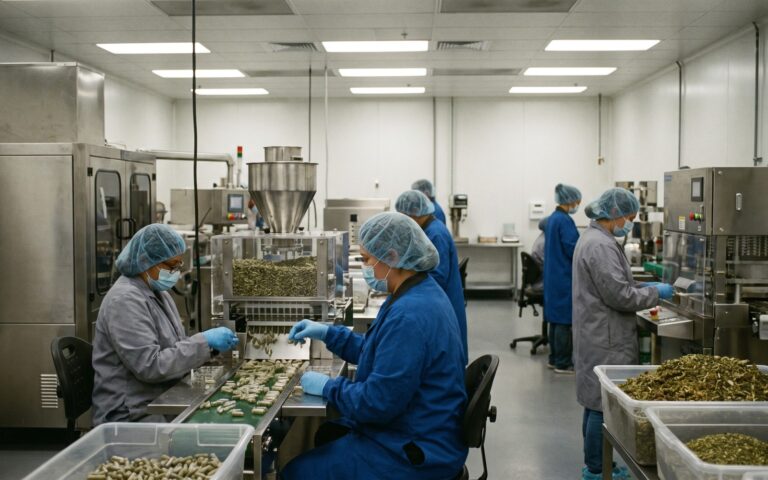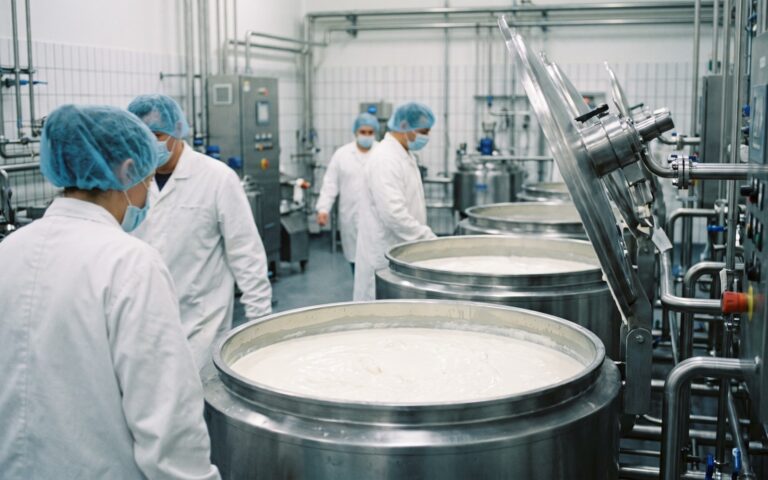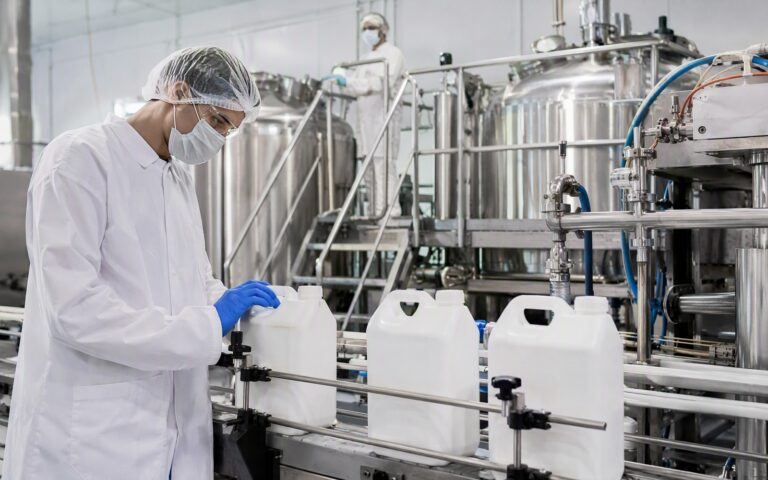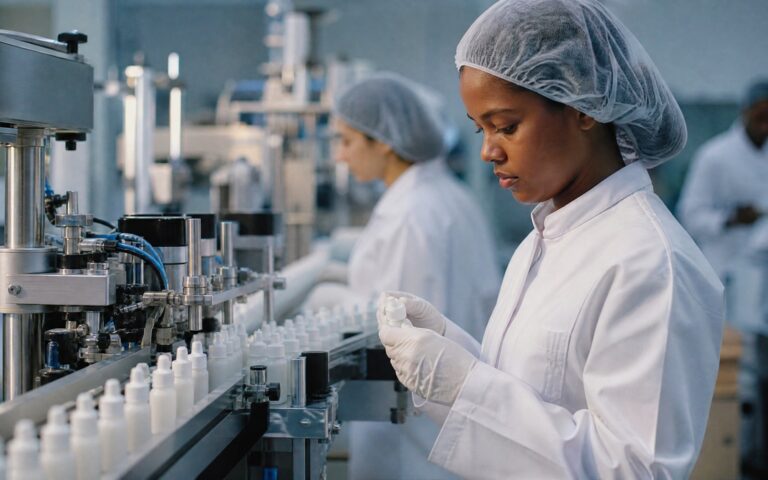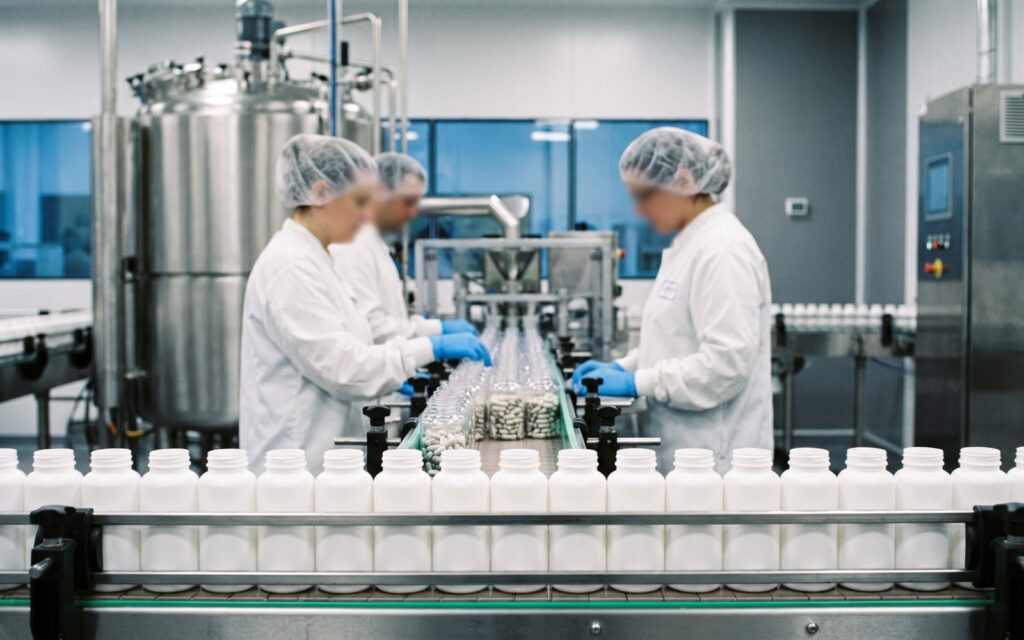
Establishing a food supplement production factory is a complex and meticulous process, especially for businesses looking to operate in highly regulated sectors. The setup of such a facility is not limited to creating physical infrastructure; it also involves the integration of quality management systems, compliance with regulations, and establishing a structure ready for inspections. In this guide, we will discuss the steps, requirements, and key considerations for establishing a food supplement production factory.
You can review the services we provide, from design to commissioning, on our Nutritional Supplement Production page.
Sectors and Products Covered
The establishment of a food supplement production factory can serve various sectors and product types. In this context, the following sectors and product forms stand out:
- Sectors: Health and nutrition, sports nutrition, natural products, vitamin and mineral production.
- Product forms: Tablets, capsules, powders, liquids, soft gels, and effervescent tablets.
Food Supplement Production Factory Setup Process
The setup process of a food supplement production factory involves a series of complex stages. These stages cover topics such as the design of the facility, selection of production equipment, establishment of quality control systems, and ensuring regulatory compliance. Here are the key steps of this process:
Needs Analysis and Planning
The first step in the setup process is to conduct a comprehensive needs analysis. This analysis takes into account factors such as the type of products to be produced, production capacity, market needs, and investment budget. During the planning phase, the size, location, and logistical requirements of the facility are also determined. The needs analysis will also guide which product forms will be produced and which markets these products will be offered to.
Design and Engineering
The design phase includes planning the physical structure of the facility as well as the production flow. At this stage, creating a design that complies with GMP (Good Manufacturing Practices) standards is critical. Engineering work also considers environmental factors such as energy efficiency, water, and waste management. Having an ergonomic and efficient structure for the facility ensures that production processes operate smoothly.
Equipment Selection and Installation
Choosing the right equipment is crucial for production capacity and product quality. When selecting equipment, the characteristics of the products to be produced and the requirements of the production line must be taken into account. During the equipment installation, the integration and testing of the production line are also carried out. This stage is a critical step for the smooth commencement of production processes.
Integration of Quality Management System
The quality management system ensures that products are produced in accordance with established standards. Standards such as ISO 9001 and HACCP help effectively manage food safety and quality control processes. The integration of these systems facilitates inspection processes and increases customer satisfaction. Quality management systems also include continuous improvement and monitoring processes.
Regulatory Compliance and Inspection Readiness
Food supplement production factories are subject to strict regulations. Therefore, the facility must be structured in accordance with relevant regulations and prepared for inspections. The Turnkey Production Facilities approach makes this process more effective and efficient. Regulatory compliance ensures that national and international standards are met and that production is carried out in accordance with these standards.
Requirements and Standards
In establishing a food supplement production factory, it is mandatory to meet certain standards and requirements. These standards are critical for product quality, safety, and efficacy. The main standards to be followed in factory establishment are as follows:
GMP (Good Manufacturing Practices)
GMP standards ensure that production processes are carried out safely and effectively. These standards encompass many elements such as the design of the production facility, maintenance of equipment, personnel training, and hygiene conditions. Compliance with GMP guarantees the consistency and quality of products.
HACCP (Hazard Analysis and Critical Control Points)
HACCP is a system used to ensure food safety. This system identifies potential hazards in the production process and takes necessary measures to control these hazards. HACCP ensures that food supplements are produced safely and protects consumer health. This system includes the identification and monitoring of control points at every stage of the production process.
Cost and Time Management
Cost and time management in establishing a food supplement production factory is critical for the return on investment. Costs may vary depending on the size of the facility, production capacity, and selected equipment. Cost management encompasses both initial investments and operational expenses.
CAPEX and OPEX Management
CAPEX (capital expenditures) includes the initial investments made for the establishment of the facility. OPEX (operational expenditures) refers to the operational costs of the facility. Effectively managing both types of costs is important for the sustainability of the business. CAPEX and OPEX management includes budgeting and cost control processes.
Project Duration and Stages
The duration of the facility setup may vary depending on the scope and complexity of the project. The average setup time for a food supplement production factory can range from 12 to 24 months. During this period, design, construction, equipment installation, and testing phases must be completed. Project management ensures that these stages are completed on time and within budget.
Common Mistakes and Key Considerations
Common mistakes made during the establishment of a food supplement production factory can negatively impact the success of the project. Here are some key points to consider:
- Inadequate Planning: Failing to accurately analyze needs can lead to problems in later stages of the project. Mistakes made during the planning phase can result in cost and time overruns.
- Non-compliance with Standards: A facility that does not comply with standards such as GMP and HACCP may fail inspections. This situation can lead to the revocation of production permits or fines.
- Inadequate Training: Insufficient training of personnel can jeopardize production quality and safety. Training deficiencies can lead to errors in production processes and product recalls.
- Cost Overruns: Poor budget management can lead to increased costs and make the project unsustainable. Cost overruns negatively affect project financing and return on investment.
Areas Requiring Extra Attention
When establishing a food supplement production factory, certain areas require extra attention. These areas can directly affect the long-term success and sustainability of the facility.
- Environmental Impact: Minimizing the environmental impact of the facility is important for both legal compliance and social responsibility. Attention should be paid to issues such as water and energy conservation, and waste management.
- Technological Updates: Continuously updating production technologies provides a competitive advantage. Integrating new technologies can enhance production efficiency.
- Market Changes: Closely monitoring market trends and consumer demands keeps the product portfolio up to date. This helps maintain and increase market share.
Related guides: How to Establish a Protein Powder Production Facility?, How to Establish Powder Production Facilities? and How to Set Up a Supplement Production Facility for Energy?.