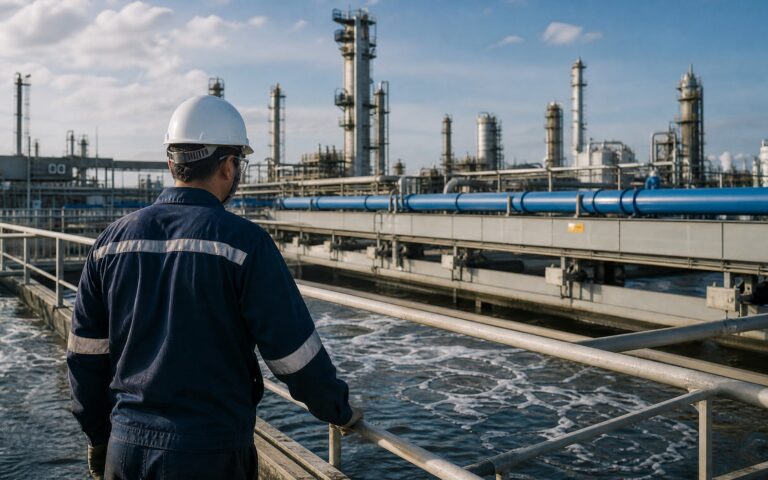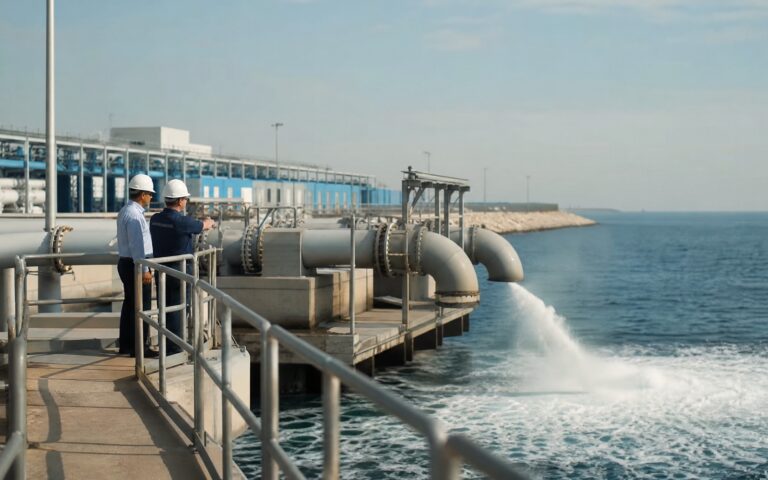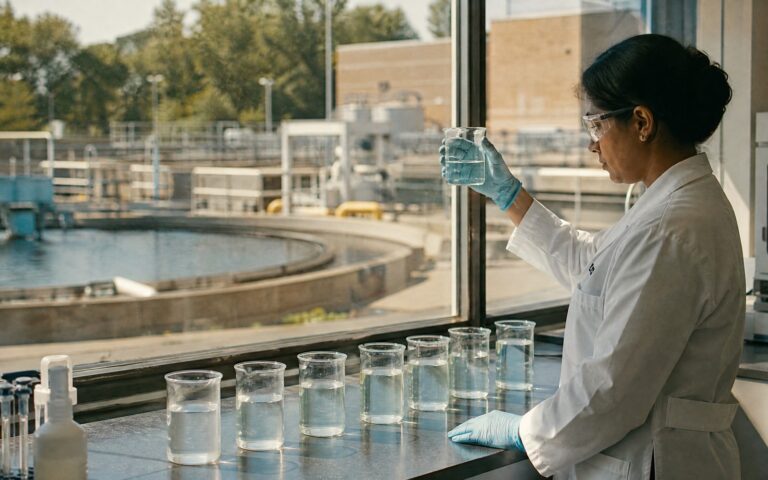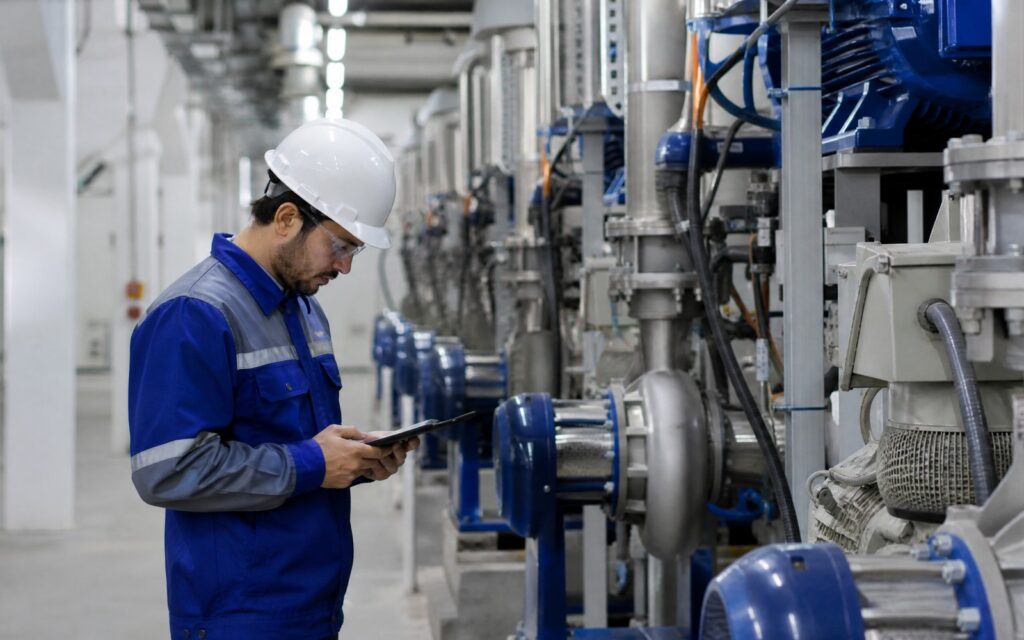
Wastewater treatment plants are vital for ensuring environmental sustainability and contributing to the conservation of water resources. Among the equipment used in these facilities, high-pressure pumps play a critical role in the effective treatment of water. However, making the right pump selection is of great importance in terms of the facility’s efficiency and operational costs. In this article, we will discuss the selection criteria for high-pressure pumps, points to consider, and sectoral applications.
Sectors and Products Covered
Wastewater treatment plants are used in various sectors and application areas. These sectors include industrial production facilities, organized industrial zones, and municipalities. In industrial production facilities, chemical and biological treatment processes are frequently used. When looking at the product basis, wastewater treatment plants are generally designed for the treatment of chemical solutions, industrial wastewater, organic waste, and biological waste.
Particularly, the chemical, food and beverage, textile, paper, and leather industries are areas where wastewater treatment plants are heavily utilized. In these sectors, biological and chemical treatment technologies are used to deal with different types of wastewater. You can find more information about Wastewater Treatment Plant Installation.
Selection Process of High-Pressure Pumps
The selection of high-pressure pumps should be made according to the needs of the facility and operational requirements. There are several important factors to consider in this process:
Flow and Pressure Requirements
The flow and pressure provided by the pump must be suitable for the treatment capacity of the facility. High-pressure pumps should be able to provide a specific flow at a certain pressure. Therefore, the facility’s daily water treatment capacity and pressure requirements should be analyzed in detail.
Material Compatibility
The material of the pumps must be compatible with the chemical composition of the water to be treated. Especially in chemical treatment processes, pumps need to be made from corrosion-resistant materials. Material selection is critical to ensure the pump operates reliably and has a long lifespan.
Energy Efficiency
Energy costs have a significant impact on the operating costs of wastewater treatment plants. Therefore, choosing pumps with high energy efficiency can provide cost savings in the long run. Selecting pumps that minimize energy consumption also supports environmental sustainability.
Ease of Maintenance
The ease of maintenance of the pumps should also be considered in the selection process. Pumps that are easy to maintain increase operational continuity and minimize downtime. Therefore, pumps that have easy access to spare parts and simple maintenance procedures should be preferred.
Standards and Requirements
Wastewater treatment plants must be designed and operated in accordance with specific standards and requirements. These standards ensure the safe and efficient operation of the facility. Here are some standards to consider:
GMP and HACCP Compliance
Especially in the food and beverage sectors, wastewater treatment plants are expected to comply with GMP (Good Manufacturing Practices) and HACCP (Hazard Analysis and Critical Control Points) standards. These standards ensure that water is treated safely and hygienically.
Permits and Licensing
Wastewater treatment plants must be licensed in accordance with local and national environmental regulations. Obtaining the necessary permits is essential for the facility to operate legally. This process is typically supported by environmental impact assessments and compliance audits.
Environmental Impact Assessment
The environmental impacts of the facilities should be thoroughly assessed before installation. The environmental impact assessment identifies the measures that need to be taken to minimize the facility’s effects on the natural environment. This assessment is critical for sustainable operation.
Cost and Time Management
The establishment of wastewater treatment plants requires significant investment. Therefore, cost and time management are critical factors for the success of the project. Here are some points to consider in this process:
CAPEX and OPEX Calculations
CAPEX (Capital Expenditures) and OPEX (Operational Expenditures) determine the total cost of the facility. CAPEX covers initial costs such as construction and equipment purchases, while OPEX includes operating and maintenance costs. Balancing these two cost items is important for the economic sustainability of the facility.
Project Planning and Timeline
A detailed project plan must be prepared to ensure that the facility is completed on time and within budget. The timeline specifies when each phase will be completed and what resources will be used. This planning is critical to prevent delays and unexpected cost increases.
Risk Management
It is necessary to identify potential risks that may arise during the project process and to take measures against these risks. Risk management minimizes adverse situations that could affect the success of the project and ensures that the project progresses smoothly.
Common Mistakes and Precautions
Some common mistakes can be made during the installation of wastewater treatment plants. Avoiding these mistakes is important for the efficient operation of the facility. Here are some common mistakes to watch out for:
- Incorrect Equipment Selection: Choosing equipment that is not suitable for the facility’s needs can reduce efficiency and increase costs.
- Insufficient Training and Operator Errors: Inadequate training of personnel can lead to operational errors and downtime. Therefore, regular training programs should be implemented.
- Neglecting Maintenance: Failure to perform regular maintenance can shorten the lifespan of equipment and lead to frequent breakdowns. Maintenance programs must be strictly adhered to.
- Insufficient Monitoring and Control: Not regularly monitoring the facility’s performance can prevent early detection of potential problems. Therefore, continuous monitoring and control systems should be established.
Example Scenarios and Solutions
Some common scenarios encountered in wastewater treatment plants and the proposed solutions for these scenarios:
- High Energy Consumption: The use of pumps with low energy efficiency can increase operating costs. As a solution, it is recommended to select high energy efficiency pumps and integrate energy management systems.
- Capacity Overload: Treating water beyond the facility’s capacity can reduce system efficiency. In this case, capacity increase or the installation of additional treatment units may be necessary.
- Chemical Balance Issues: In chemical treatment processes, incorrect chemical dosing or unbalanced chemical usage can lead to problems. Automating chemical dosing systems and regular calibration can prevent these issues.
Clean Room Requirements and Applications
In wastewater treatment plants, especially in sensitive industries, clean room applications are of great importance. Clean rooms minimize environmental contamination by controlling the particle count in a specific area. Such rooms play a critical role, especially in biological treatment processes where microorganisms need to be controlled.
Factors to consider in clean room design include controlling airflow, regulating temperature and humidity levels, and using appropriate filtration systems. HEPA and ULPA filters help meet clean room standards by effectively filtering particles from the air. Additionally, personnel must wear appropriate protective clothing and adhere to specific hygiene protocols within the clean room.
Technical Specifications to Consider in Equipment Selection
The selection of equipment used in wastewater treatment plants is greatly influenced by technical specifications. In the selection of critical equipment such as high-pressure pumps, factors such as pump capacity, pressure resistance, and material quality should be taken into account. Pump capacity should be determined to meet the daily water treatment needs of the facility.
Pressure resistance is important for the pumps to operate reliably and for extended periods. Therefore, the maximum pressure values and operating temperature ranges of the pumps should be carefully evaluated. Material quality determines the pumps’ resistance to chemical and physical abrasive effects. Stainless steel or special alloys show high resistance to corrosion and provide long-lasting use.
Quality Control and Continuous Improvement Processes
Quality control processes in wastewater treatment plants are critical to ensure the facility operates effectively and safely. Quality control monitors compliance with specific standards during the water treatment process and allows for quick intervention in case of any deviations.
Continuous improvement processes are implemented to enhance the facility’s performance and reduce costs. These processes are supported by regular performance evaluations and feedback mechanisms. Employee participation and suggestions play a significant role in establishing a culture of continuous improvement. Additionally, the integration of new technologies and methods can increase the facility’s efficiency and reduce its environmental impact.
Digital Transformation in Wastewater Treatment Plants
Digital transformation offers significant opportunities to enhance operational efficiency and optimize management processes in wastewater treatment plants. IoT (Internet of Things) devices and sensors provide the ability to collect real-time data from various points in the facility. This data can be used to monitor the facility’s performance and make instantaneous decisions.
Artificial intelligence and machine learning algorithms can assist in optimizing treatment processes. For example, chemical dosing systems can be managed more precisely and efficiently with AI-supported algorithms. Moreover, digital twin technology allows for the creation of a virtual copy of the facility, enabling the testing of different scenarios and strategies. Such digital solutions enhance the sustainability and competitiveness of the facility.