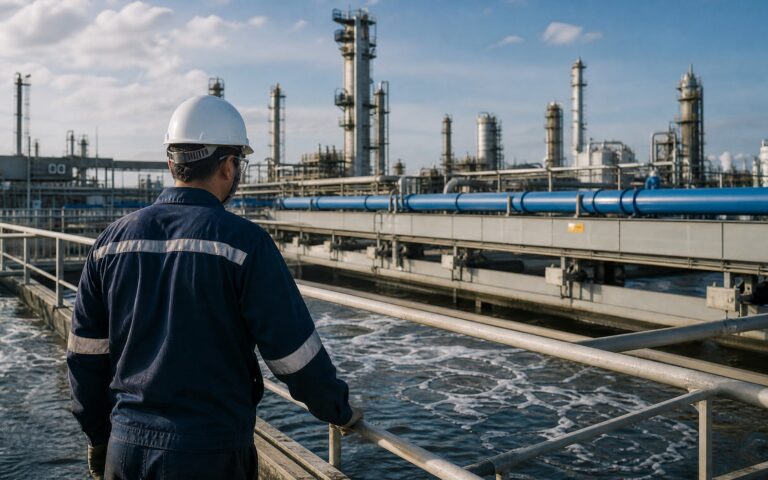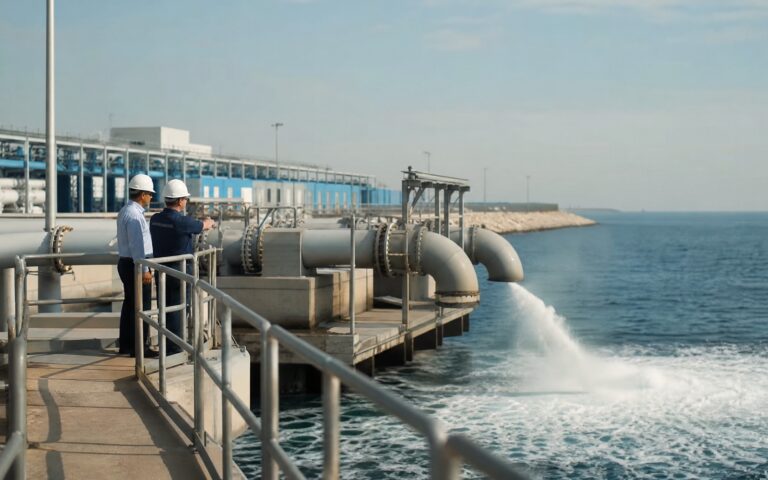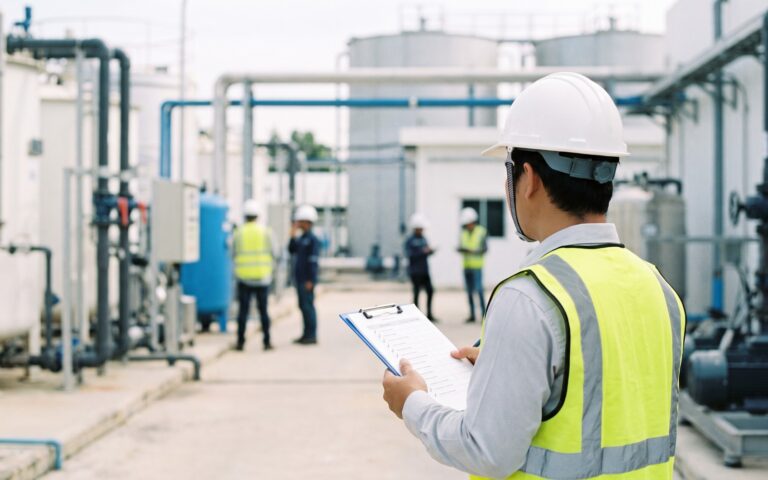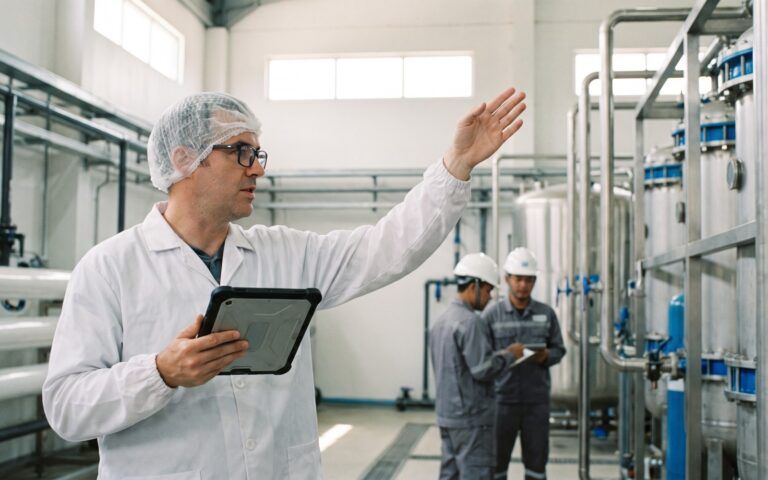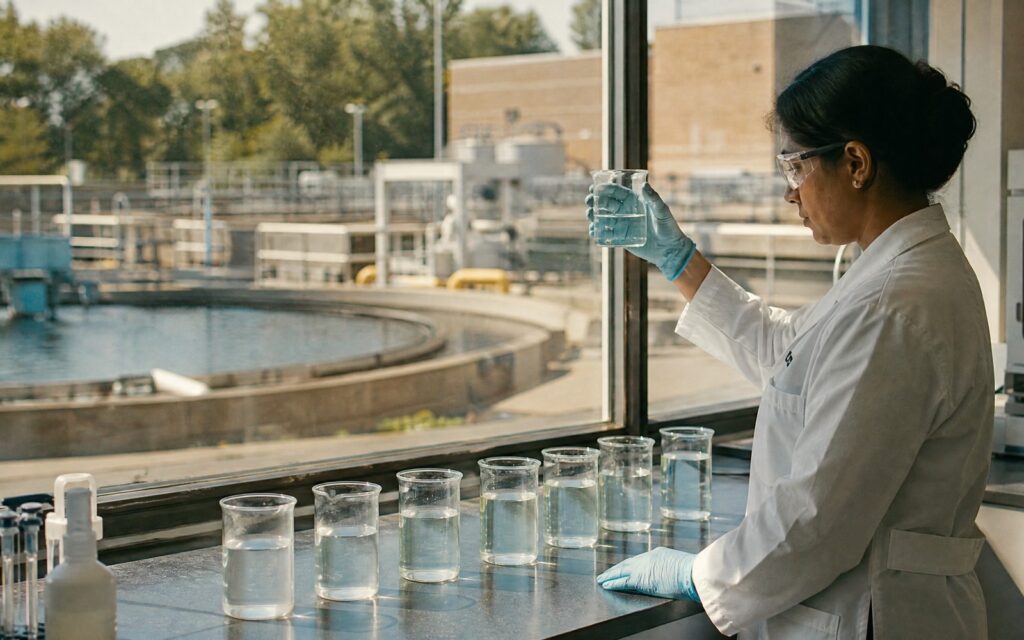
Wastewater treatment plants in oil refineries play a critical role in reducing environmental impacts and efficiently utilizing water resources. The reuse of treated water is one of the primary goals of these facilities. However, specific quality control processes must be implemented to ensure that this water can be reused safely and effectively. In this guide, we will discuss the necessary quality control processes for the reuse of treated water and the importance of these processes.
Sectors and Products Covered
Oil refineries, the chemical industry, and the energy sector are the main sectors that engage intensively in wastewater treatment and the reuse of treated water. The products produced in these sectors include petroleum derivatives such as gasoline, diesel, and jet fuel. Additionally, various chemicals in the chemical industry and electricity generation in the energy sector can also be considered within this scope.
Quality Control Processes
Quality control processes for the reuse of treated water are critical to ensure that the water meets specific standards. These processes involve the continuous monitoring and control of the physical, chemical, and biological parameters of the water. For example, parameters such as the pH value, turbidity, dissolved oxygen level, and concentration of pollutants should be measured regularly.
Quality control processes not only enhance the safety of the water but also improve the efficiency of the facilities. Technological solutions such as automation systems and SCADA integration are utilized to effectively implement these processes. These systems allow operators to monitor water quality in real-time and respond quickly to potential issues.
The Role of Automation and SCADA Systems
Automation and SCADA systems ensure the effective management of quality control processes in water treatment facilities. These systems collect and analyze the data necessary for the continuous monitoring and control of water. Operators can monitor the quality of the water in real-time thanks to this data and can intervene quickly when necessary. Additionally, these systems allow for automatic corrections to be made without the need for manual intervention, minimizing human error.
Standards and Requirements
The quality standards established for the reuse of treated water are subject to various regulations at both national and international levels. These standards ensure that water can be reused without harming human health and the environment. Generally, criteria such as the maximum concentrations of pollutants in the water, microbiological purity, and physical properties are evaluated under these standards.
For example, institutions such as the European Union’s Water Framework Directive and the U.S. Environmental Protection Agency (EPA) set specific criteria for the reuse of treated water. These criteria should be considered from the design phase of facilities and supported by the selection of appropriate equipment. Oil Refinery Wastewater Treatment Plants provide solutions that comply with these standards, ensuring the safe reuse of water.
GMP and HACCP Practices
Quality management systems such as GMP (Good Manufacturing Practices) and HACCP (Hazard Analysis and Critical Control Points) are critical for ensuring the quality and safety of water in treatment facilities. GMP guarantees quality at every stage of the production process, while HACCP identifies and controls potential hazards that could threaten water safety. These systems must be implemented in facilities to ensure the safe reuse of water.
Cost and Time Management
The effective implementation of quality control processes directly affects the operational costs of facilities. Optimizing these processes reduces both energy consumption and maintenance costs. However, the initial costs of these processes can be high. Investment costs vary depending on the size of the facility, the technology used, and the quality of the equipment.
The planning and management of quality control processes also affect the project timeline. During the project management phase, detailed planning and timely implementation of quality control processes ensure the successful completion of the project.
Project Management and Scheduling
Project management plays a critical role in the establishment and operation of water treatment facilities. A detailed project plan must be created to ensure that quality control processes are implemented on time and accurately. This plan outlines the timing of each phase and the necessary resources. Additionally, project management should also include risk management strategies to prevent potential delays and disruptions.
Common Mistakes
Common mistakes made in quality control processes can negatively affect the quality of water and the efficiency of the facility. One of these mistakes is monitoring only certain parameters of the water while ignoring other important parameters. Additionally, insufficient integration or incorrect configuration of automation systems is also a common issue.
Another common mistake is the lack of continuous improvement in quality control processes and the failure to use up-to-date technologies. This situation can make it difficult for facilities to adapt to changing conditions and new environmental regulations.
Example Scenarios and Solutions
For example, if the pH level in a water treatment facility is consistently high, it can negatively affect the quality of the water. In this case, automation systems can enable real-time monitoring of the pH level and automatic adjustments when necessary. Additionally, if the turbidity level of the water is high, it may be necessary to review and, if necessary, renew the filtration systems. Rapid detection and resolution of such issues increase the efficiency of the facility and ensure the safe reuse of water.
Equipment Selection and Technological Innovations
The equipment used in wastewater treatment facilities directly affects the quality of water treatment. Equipment selection should be made according to the facility’s capacity, the characteristics of the water to be treated, and the targeted water quality. For example, membrane filtration systems provide an effective solution to increase the microbiological purity of water. Additionally, UV disinfection systems play an important role in removing pathogens from water.
Technological innovations can make water treatment processes more efficient. For instance, IoT (Internet of Things) based sensors can monitor water quality in real-time and transfer data to cloud-based systems. This allows operators to monitor water quality remotely and intervene quickly when necessary. Furthermore, AI-supported analysis systems can optimize water treatment processes and reduce energy consumption.
Clean Room Applications
Clean room applications are critical for minimizing the risk of contamination of water in water treatment facilities. Clean rooms are specially designed areas to ensure that water is not affected by external factors during the treatment process. In these areas, environmental factors such as air quality, temperature, and humidity are tightly controlled.
Clean room applications gain importance, especially in industries that require high purity water. For example, in sectors such as semiconductor manufacturing or the pharmaceutical industry, water must be of the highest purity. In such applications, the design and operation of clean rooms must be carried out in accordance with international standards. Standards such as ISO 14644 provide guidance on clean room classifications and requirements.
Permits and Regulations
The establishment and operation of wastewater treatment plants are subject to various permits and regulations. These permits are necessary to minimize the environmental impacts of the facility and to ensure the safe reuse of water. Permit processes are generally managed by local and national environmental agencies and should be considered from the design phase of the facility.
For example, in Turkey, the Ministry of Environment and Urbanization regulates and supervises the necessary permits for wastewater treatment plants. In this process, environmental impact assessment (EIA) reports of the facility must be prepared and submitted to the relevant institutions. Additionally, regular inspections should be conducted during the operational phase of the facility, and compliance with established standards must be ensured.
Optimization of Quality Control Processes
Optimizing quality control processes is important for increasing the efficiency of water treatment plants. Optimizing these processes can reduce energy consumption and lower operational costs. Optimization is typically achieved through continuous monitoring and analysis of the processes.
For instance, by using data analysis and modeling techniques, the efficiency of the water treatment process can be improved. These techniques can help identify which parameters need to be more closely monitored during the water treatment process. Furthermore, feedback loops should be established for the continuous improvement of processes, and employees should be regularly trained. This way, facilities can quickly adapt to changing conditions.
Equipment Used in Quality Control Processes
Various equipment is used to effectively carry out quality control processes in wastewater treatment plants. This equipment is necessary to measure and monitor the physical, chemical, and biological parameters of water. For example, spectrophotometers analyze the chemical components of water, while pH meters measure the acidity level of water. Additionally, turbidity meters determine how many particles are present in the water, thus providing information about the cleanliness of the water.
Another important equipment used in quality control processes is biological analysis systems. These systems are used to monitor the microbiological purity of water. For example, coliform bacteria test kits are regularly used to ensure that the water does not contain pathogens. Proper and regular calibration of this equipment increases the reliability of measurements and ensures the safe reuse of water.
Challenges Encountered in Quality Control Processes
Quality control processes can face various challenges in water treatment facilities. One of these challenges is the constantly changing chemical and physical properties of water. For example, the pH value or turbidity level of water can vary depending on weather conditions or industrial activities. This situation requires continuous updating and adaptation of quality control processes.
Another challenge is the cost of quality control processes. High-quality equipment and technological solutions may require high initial costs. However, these investments can pay off in the long term by improving water quality and reducing operational costs. Additionally, regular training is necessary for personnel to manage these processes. A lack of training can reduce the effectiveness of quality control processes and jeopardize the safe reuse of water.
The Future of Quality Control Processes
In the future, it is expected that quality control processes in water treatment facilities will further develop. Technological advancements will allow these processes to be managed more efficiently and effectively. For example, artificial intelligence and machine learning algorithms can be used to predict and optimize water quality. These technologies can increase the efficiency of the water treatment process and reduce energy consumption.
Moreover, IoT-based sensors and cloud-based data analysis systems will be used more to monitor and analyze water quality in real-time. These systems allow operators to remotely monitor water quality and intervene quickly when necessary. This way, water treatment facilities can become more flexible and adaptable, ensuring the safe reuse of water.
Environmental Impacts of Quality Control Processes
Quality control processes play a critical role in minimizing the environmental impacts of water treatment facilities. These processes ensure the removal of pollutants from water and its reuse in a way that does not harm the environment. For example, ensuring the chemical and biological purity of water contributes to the conservation of water resources and the sustainability of ecosystems.
The environmental impacts of quality control processes are also related to energy consumption and waste management. Effective quality control processes can reduce the carbon footprint by optimizing energy consumption. Additionally, improving waste management processes can reduce the amount of waste left in the environment and help conserve natural resources. Therefore, the environmental impacts of quality control processes in water treatment facilities should be taken into account and continuously improved.