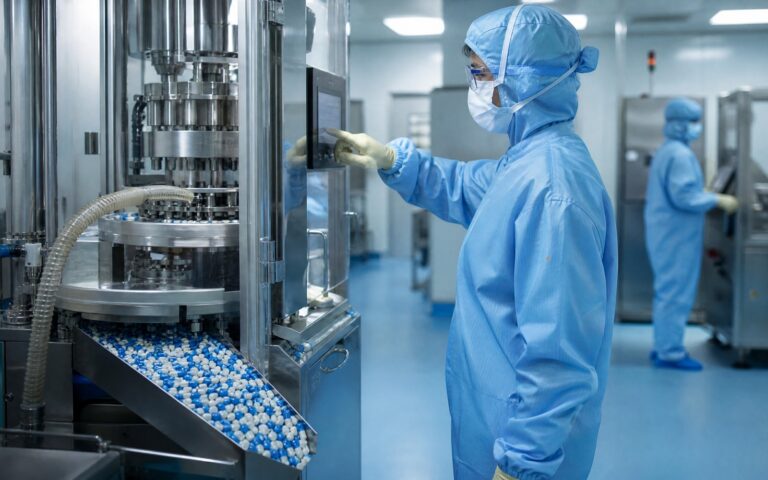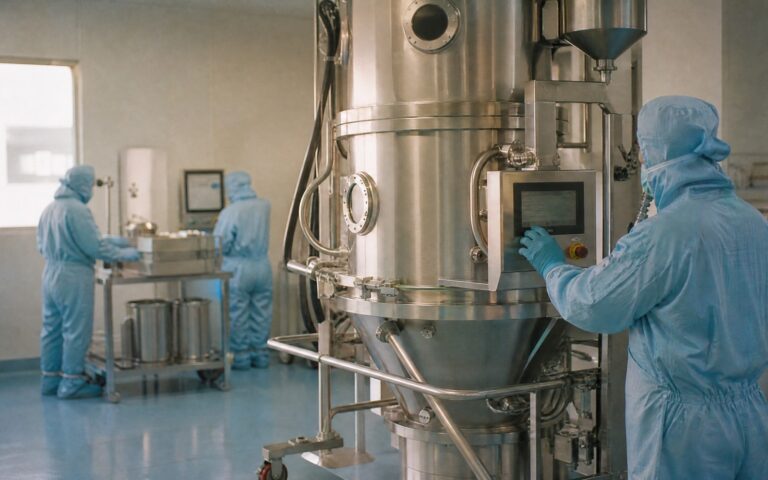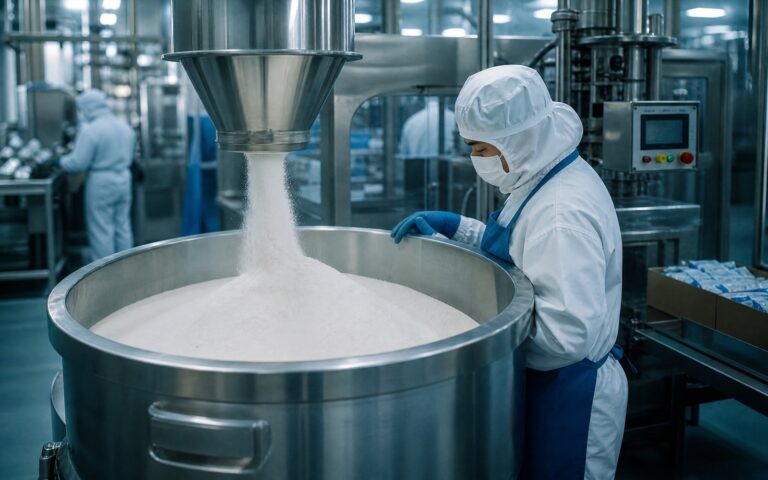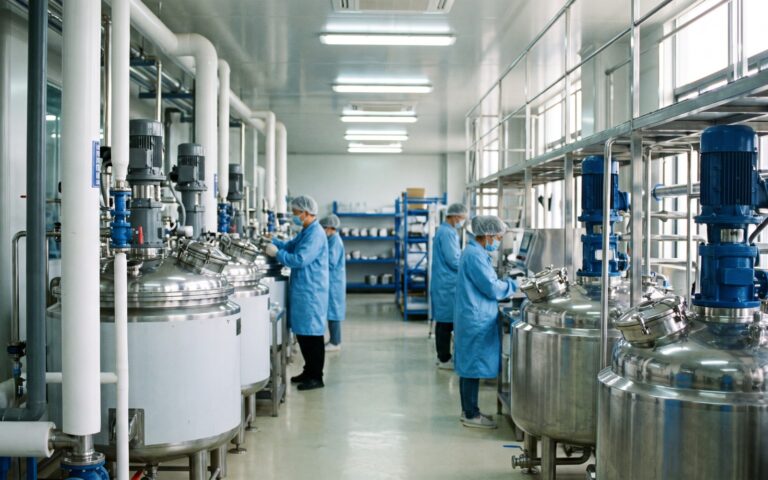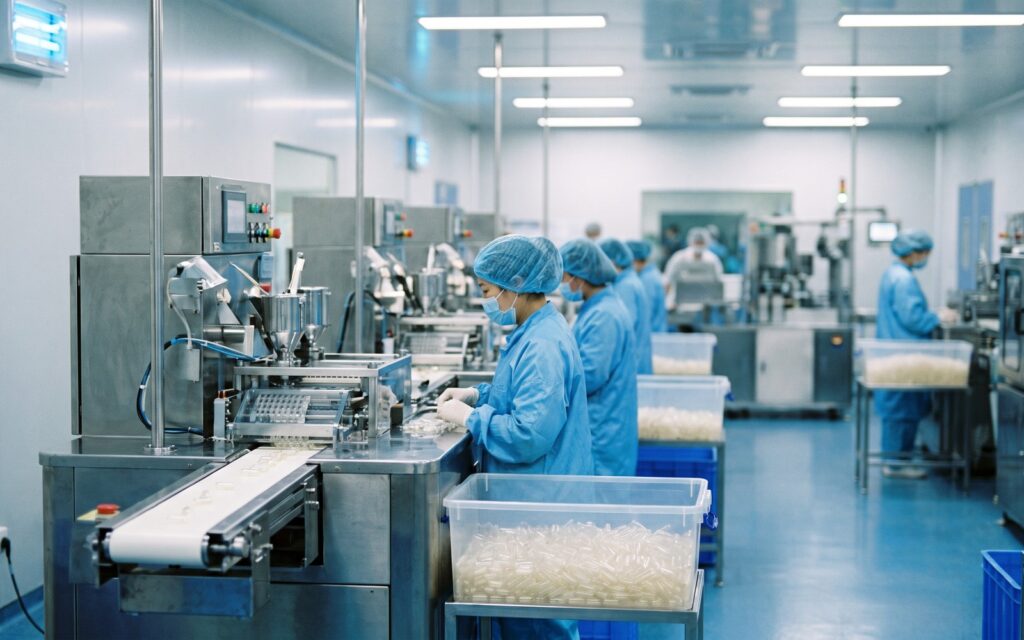
Setting up a capsule production line can be a complex process, especially for companies operating in the pharmaceutical and dietary supplement sectors. This process involves selecting the right equipment, ensuring regulatory compliance, and integrating steps that will ensure the overall efficiency of the facility. Turnkey solutions make this complexity manageable and allow investors to quickly adapt to production processes.
You can review the services we provide, from design to commissioning, on our Nutritional Supplement Production page.
Industries and Products Covered
Capsule production lines are widely used, particularly in the pharmaceutical, dietary supplement, and biotechnology sectors. Various product forms are produced in these sectors. For example:
- Pharmaceutical products: Capsule medicines, tablets, powder filling products.
- Dietary supplements: Vitamin and mineral capsules, herbal supplements.
- Biotechnology products: Capsules containing specific biological components.
The production processes in these sectors are subject to strict regulations, making GMP (Good Manufacturing Practices) compliance critical.
Capsule Production Line Setup Process
The setup process for a capsule production line requires careful planning and detailed implementation. Here are the key steps in this process:
1. Needs Analysis and Planning
The first step is to conduct a needs analysis by determining your production capacity and product variety. This analysis defines what types of capsules will be produced and the daily production capacity. The planning phase also includes the design of the facility, machine layout, and workflow.
- Production Capacity: Determine your daily and annual production targets. This directly affects the size of the facility and machine requirements.
- Product Variety: Identifying the types of capsules to be produced is important for raw material sourcing and machine selection.
- Layout Plan: The physical arrangement of the facility should be designed to optimize workflow.
2. Machine Selection and Purchase
Capsule filling machines form the heart of the production line. When selecting these machines, criteria such as capacity, speed, filling accuracy, and cleanability should be considered. Additionally, it is important that the machines are GMP compliant and easy to maintain.
- Capacity and Speed: Machines should be selected that match your production targets in terms of capacity and speed.
- Filling Accuracy: This factor, which affects product quality, is critical, especially for pharmaceutical products.
- Cleanability: Machines should be easy to clean to ensure compliance with hygiene standards in the production line.
3. Equipment Integration
The integration of selected machines into the production line must be done carefully to enhance efficiency. This process includes necessary adjustments to ensure that the machines work harmoniously together and the establishment of automation systems.
- Automation Systems: Automation systems should be integrated to enhance the efficiency of the production line.
- Compatible Operation: Integration is important to ensure that different machines can work together seamlessly.
4. GMP and Regulatory Compliance
Ensuring that the production facility complies with GMP standards is essential for quality and reliability. This encompasses maintaining hygienic conditions, staff training, and documentation processes. Additionally, establishing a production facility that complies with local and international regulations helps avoid issues during audits in the long term.
- Hygienic Conditions: The cleanliness of the production area and compliance with hygiene standards should be continuously monitored.
- Staff Training: Regular training of personnel is necessary for GMP-compliant production.
- Documentation: Recording production processes is important for traceability and audits.
5. Testing and Validation Processes
After the installation of the equipment, testing and validation processes for the production line are carried out. This step verifies that the production line operates as planned and that product quality meets expectations.
- Functional Tests: It should be tested whether the machines operate correctly.
- Product Quality: The compliance of produced capsules with quality standards should be checked.
Requirements and Standards
There are various standards and requirements to consider when setting up a capsule production line. These are critical for both production efficiency and product quality.
GMP and HACCP Compliant Design
A facility design that complies with GMP and HACCP standards guarantees product safety and quality. These standards require that production processes are kept under control and that each stage is documented.
- Controlled Production: Each production stage should be controlled according to established standards.
- Record Keeping: Detailed records should be maintained for the traceability of production processes.
Staff Training
Personnel working on the production line must undergo regular training to ensure they can operate in accordance with GMP and HACCP standards. This training ensures that production processes are carried out correctly.
- Regular Training: Periodic training should be organized to keep staff knowledge up to date.
- Compliance with Standards: Training should ensure that personnel operate in accordance with GMP and HACCP standards.
Quality Control Procedures
Quality control plays a critical role at every stage of the production line. The compliance of products with established standards is ensured through regular tests and analyses.
- Regular Tests: Regular tests should be conducted to ensure product quality.
- Analyses: Analyses should be performed to verify the compliance of products with standards.
Cost and Time Management
The costs of setting up a capsule production line vary depending on the size of the facility, the type of equipment, and the integration processes. Here are some factors that affect costs:
- Initial Costs: The construction of the facility, equipment purchases, and installation expenses constitute the initial costs.
- Operational Costs: Continuous costs such as personnel salaries, energy consumption, and maintenance expenses.
- Hidden Costs: Unexpected costs may arise, such as the preparation of necessary documents for regulatory compliance and potential audit expenses.
The setup time can vary depending on the size and complexity of the facility. Generally, setting up a comprehensive production line can take several months.
Common Mistakes and Precautions
Common mistakes made during the setup of a capsule production line can negatively impact the efficiency of the process and product quality. To avoid these mistakes, the following precautions should be taken:
- Insufficient Planning: Accurately determining the needs and capacity of the facility prevents potential issues in the future.
- Incorrect Machine Selection: Machines that do not match your production capacity can reduce the efficiency of the production line.
- Non-compliance with Regulations: A facility that does not comply with GMP and other standards may face issues during audits.
- Lack of Training: Personnel who have not received adequate training may cause errors in production processes.
A careful planning and continuous training are required at every step to avoid these mistakes.
Related guides: How to Set Up a Soft Gel Production Factory?, How to Set Up Capsule Filling Production Facilities? and How to Establish a Herbal Supplement Production Factory?.