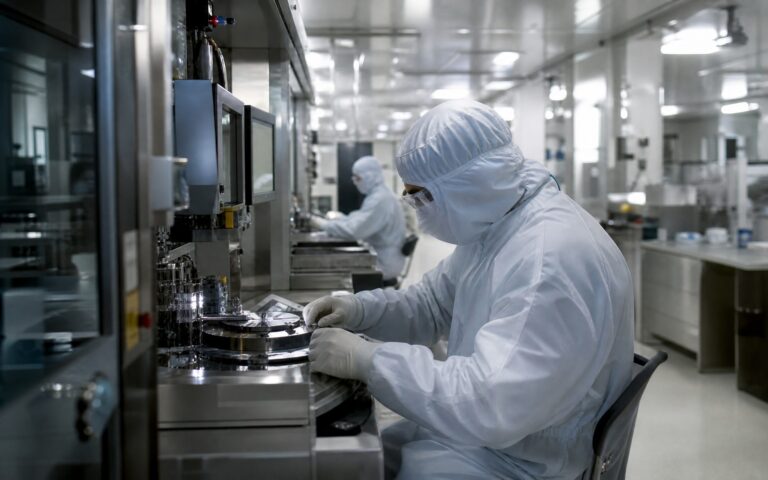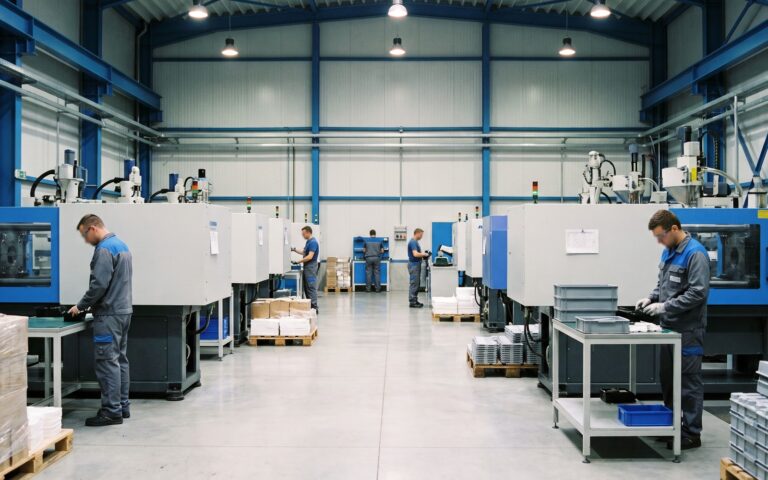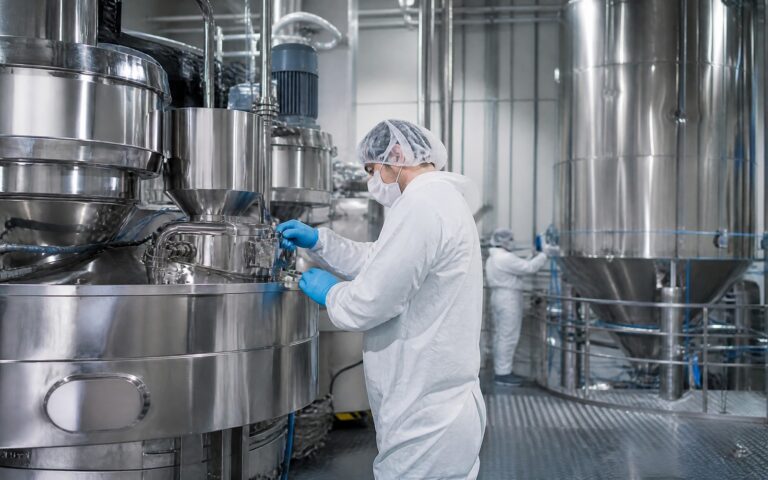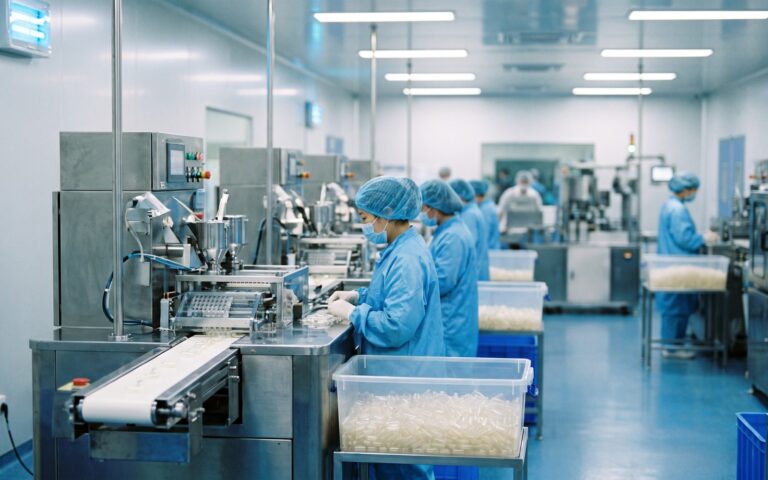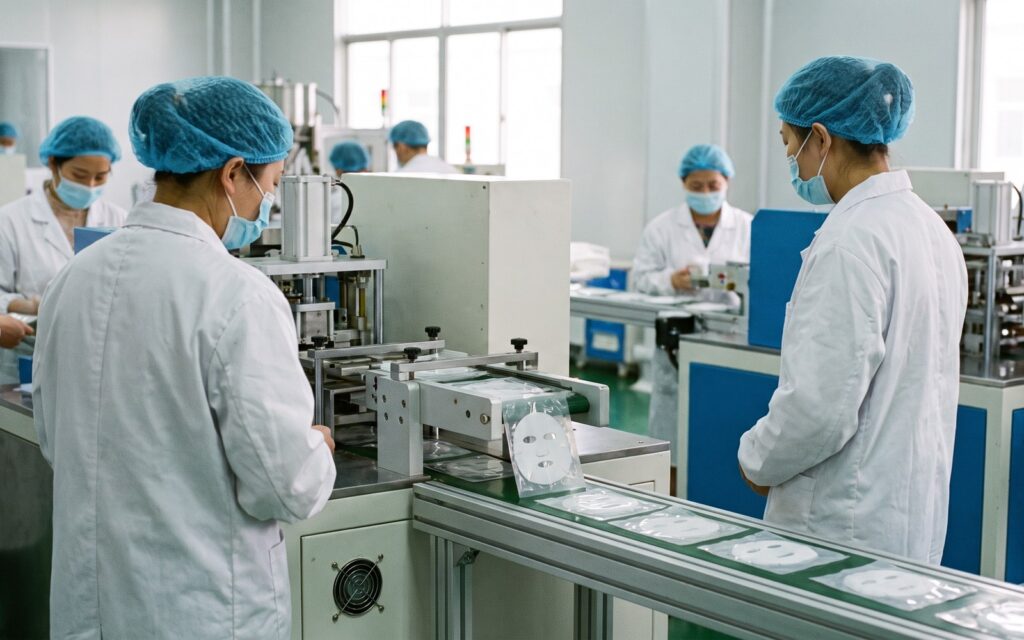
Face mask production facilities have become a significant investment area due to increasing demand and rising health standards. The establishment of these facilities involves not only the physical construction of the production line but also quality management systems, regulatory compliance, and audit preparation processes. In this guide, we will provide a detailed overview of how to set up face mask production facilities.
You can review the services we provide, from design to commissioning, on our Cosmetic Production Facilities page.
Sectors and Products Covered
Face mask production facilities are in high demand, particularly in the personal care and health sectors. The main products produced in these facilities include surgical masks, N95 masks, fabric masks, and other types of medical masks. Additionally, face masks used in the dermocosmetic field are also included in this scope. Key sectors include medical and health services, personal care product manufacturing, and the cosmetics industry.
Face Mask Production Facility Setup Process
The establishment of face mask production facilities requires careful planning and implementation. Here are the key steps in this process:
1. Needs Analysis and Planning
Before starting the facility setup, a detailed needs analysis should be conducted, including factors such as production capacity, product variety, and target market. This analysis helps determine the size of the facility, necessary equipment, and personnel needs. Additionally, market research and competitive analysis should be conducted to position the products.
2. Site Selection and Infrastructure Preparation
Selecting an appropriate location is critical for logistics and operational efficiency. Infrastructure preparation includes water and energy supply, waste management, and assessment of environmental impacts. Factors such as ease of transportation, proximity to raw materials, and access to labor should be considered in site selection.
3. Equipment and Technology Selection
The selection of machines and technologies required for the production line is important for product quality and production efficiency. Automation systems and modern production technologies optimize processes and minimize errors. Criteria such as capacity, energy efficiency, and ease of maintenance should be considered in equipment selection.
4. Quality Management System and GMP Compliance
Establishing a quality management system in face mask production and ensuring compliance with GMP (Good Manufacturing Practices) standards is essential for product safety and regulatory compliance. This stage includes the documentation of production processes and continuous improvement processes. Additionally, the establishment of quality control laboratories and the development of testing procedures are necessary.
5. Personnel Training and Workforce Planning
A trained workforce is necessary for the effective management of production processes. Personnel training should cover GMP compliance, equipment usage, and quality control processes. Training programs should be supported by continuous development and updates.
6. Validation and Audit Preparation
All processes of the facility must undergo validation processes to ensure compliance with product quality and safety standards. Audit preparation involves creating a structure that complies with the requirements of regulatory bodies. In this process, documentation and traceability systems are crucial.
Requirements and Standards
Face mask production facilities must comply with specific standards and regulations. These requirements are critical to ensure product safety and efficacy.
GMP and ISO Standards
Production facilities must comply with GMP and relevant ISO standards. These standards aim to ensure quality and safety at every stage of the production process. Particularly, ISO 13485 presents strict requirements for the production of medical devices. Additionally, the ISO 9001 quality management systems standard contributes to the improvement of general production processes.
Regulatory and Audit Requirements
In face mask production, compliance with local and international regulations is mandatory. Certifications such as FDA and CE may be necessary for products to enter the market. Audit processes should be conducted regularly to ensure the continuity of these certifications.
Cost and Time Management
The establishment of face mask production facilities requires comprehensive budgeting that includes startup costs and operational expenses. CAPEX (capital expenditures) and OPEX (operational expenditures) should be carefully planned.
Startup Costs
Startup costs include site selection, construction, equipment procurement, and infrastructure investments. These costs may vary depending on the facility’s capacity and technological requirements. Additionally, licensing and certification processes should also be included in the startup costs.
Operational Expenses
Operational expenses cover raw material procurement, energy consumption, personnel salaries, and maintenance costs. Effective management of these expenses ensures the sustainability of the facility. Particularly, energy efficiency and raw material supply chain management play a significant role in controlling operational costs.
Common Mistakes and Considerations
Common mistakes encountered in the setup of face mask production facilities can lead to process disruptions and increased costs. Here are some points to consider:
- Inadequate Planning: Insufficient attention to detail during the needs analysis and planning phase can lead to operational issues.
- Non-compliance with Regulations: Failure to comply with GMP and other standards can result in legal issues and serious consequences such as product recalls.
- Lack of Quality Control: Insufficient quality control measures during the production process can reduce product quality and negatively impact customer satisfaction.
- Neglecting Personnel Training: Training deficiencies can lead to production errors and loss of efficiency.
- Inadequate Documentation: Failure to document production processes can lead to traceability issues and challenges during audits.
- Insufficient Energy and Waste Management: Inadequate planning in energy consumption and waste management can lead to increased costs and environmental issues.
Related guides: How to Set Up a Spray Production Line?, How to Establish Emulsion Production Facilities? and How to Establish a Cosmetic Manufacturing Factory?.