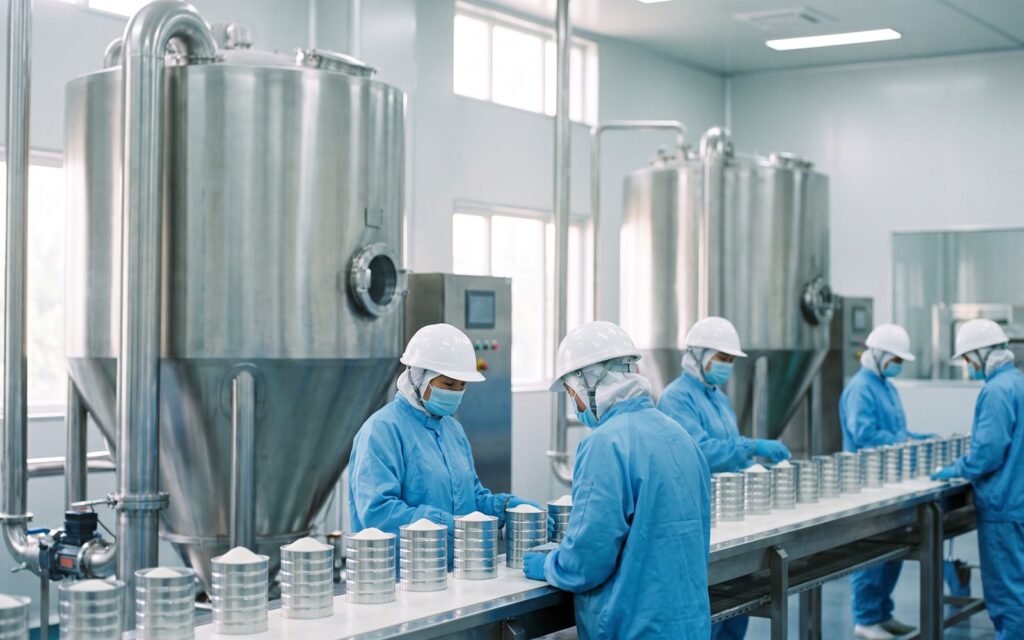
Establishing a baby food production factory is a process that requires maintaining the highest levels of food safety and hygiene standards. The setup of such facilities involves not only the construction of the physical structure but also the integration of quality management systems, compliance with regulations, and creating an audit-ready structure. Turnkey production facilities provide great convenience to investors by addressing these processes as a whole.
You can review the services we provide, from design to commissioning, on our Food & Beverage Sector page.
Sectors and Products Covered
Baby food production factories primarily serve the baby nutrition products sector. The main products produced in these facilities include powdered baby foods, ready-made baby purees, organic baby foods, and baby cereals. These products must be produced in accordance with high quality and safety standards. Additionally, these facilities must operate in compliance with international standards such as GMP (Good Manufacturing Practices) and HACCP (Hazard Analysis and Critical Control Points).
Baby Food Production Factory Setup Process
The setup process for a baby food production facility requires detailed planning and phased implementation. The first step is selecting a suitable location and designing the facility. The location selection should be logistically appropriate and consider environmental factors. The design of the facility is critical for the efficiency of production processes and compliance with hygiene standards.
The second phase involves obtaining the necessary permits. This is mandatory for compliance with local and international regulations. Baby food production, which is subject to strict inspections, must comply with the standards set by health ministries and food safety authorities.
Turnkey Production Facilities manage all these processes with a professional team, minimizing potential risks that investors may encounter.
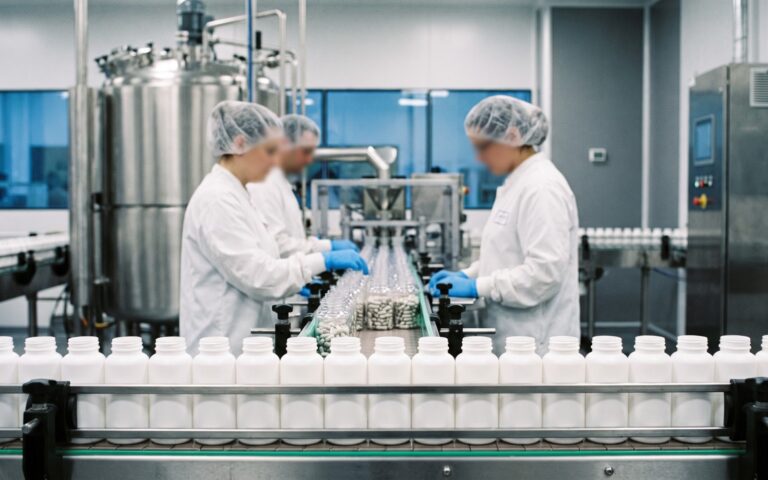
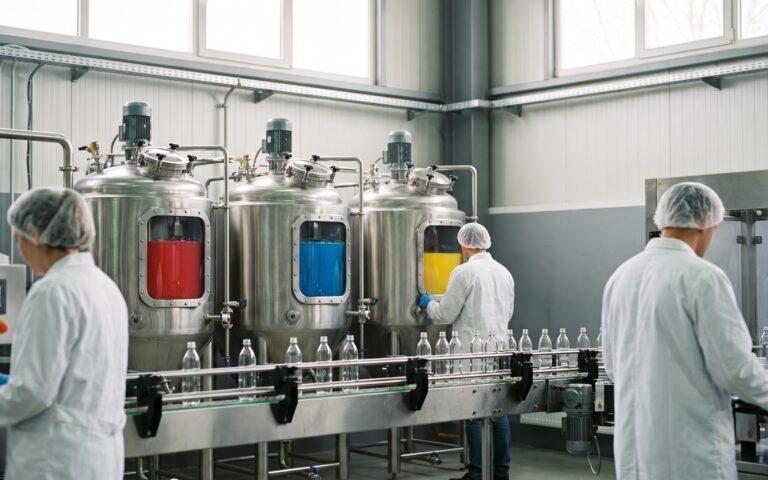
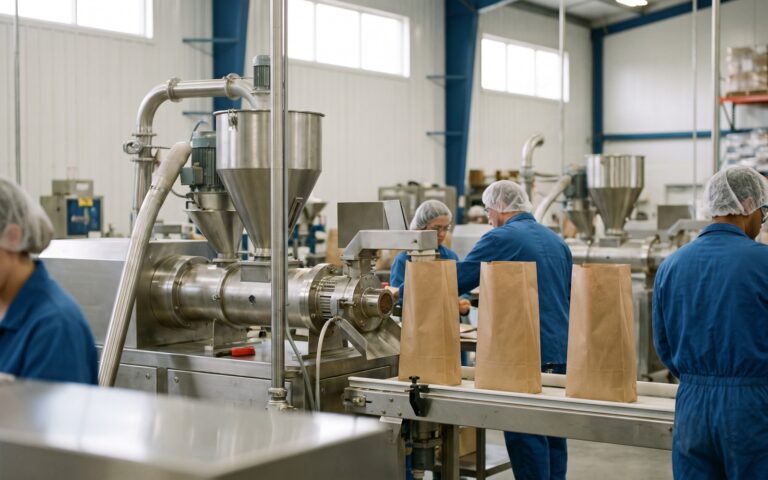
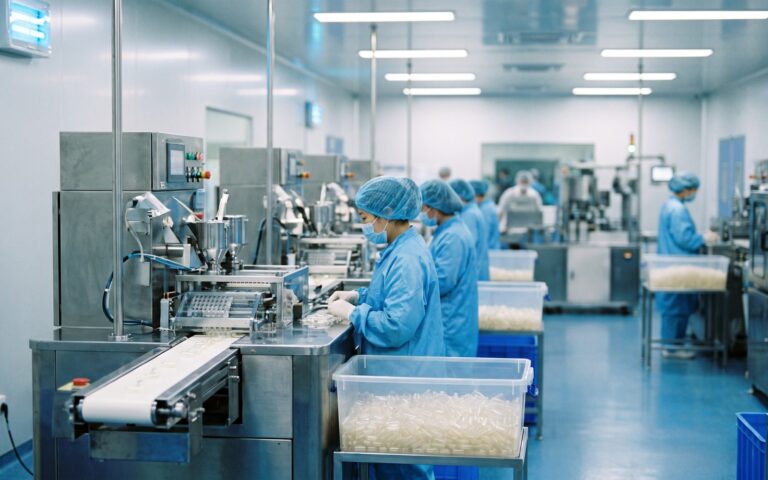
The third phase is the construction of the facility and the installation of equipment. At this stage, the design and layout of the production line must be done in accordance with hygiene standards. The selection of equipment should be suitable for production capacity and quality standards. The efficiency of the production line directly affects the overall success of the facility.
The fourth phase involves training employees and integrating quality management systems. Training employees on production processes and hygiene standards plays a critical role in ensuring product quality and safety. Quality management systems should be applied at every stage of the production processes.
Requirements and Standards
Baby food production facilities must have high hygiene standards. This means both training employees and controlling production processes. Compliance with GMP and HACCP standards minimizes risks encountered during the production process. Additionally, the traceability and quality of raw materials are also evaluated under these standards.
Quality management systems should be applied at every stage of the production processes. This ensures the continuity of product quality and allows for the early detection of potential errors. Furthermore, regulatory compliance should be supported by continuous inspection and validation processes.
The quality of water used in production processes is also of great importance. Water purification systems are necessary to ensure the microbiological and chemical suitability of water. RO (Reverse Osmosis) systems are commonly used to enhance the purity of water.
Cost and Duration
The setup costs for a baby food production factory vary depending on factors such as the size of the facility, production capacity, and level of technology. CAPEX (Capital Expenditures) planning plays an important role in this process. Investors need to plan all cost items they may encounter during the setup of the facility in detail.
The setup duration generally varies depending on project planning and permit processes. However, it typically takes 12-24 months for a baby food production facility to become fully operational. This process includes steps such as construction, equipment installation, employee training, and test productions.
Operating costs should also be taken into account. Factors such as energy consumption, water usage, and waste management in production processes directly affect operating costs. Therefore, energy efficiency and sustainability are critical for the long-term success of the facility.
Common Mistakes and Considerations
One of the common mistakes made during the setup of a baby food production facility is insufficient pre-planning. Mistakes made during location selection and facility design can lead to increased operational costs and decreased production efficiency in the long run.
Another common mistake is not paying enough attention to regulations and standards. Especially, compliance with GMP and HACCP must be meticulously applied at every stage of the production processes. Otherwise, the facility may face serious risks such as issues during inspections and product recalls.
Finally, training employees and integrating quality management systems are critical points that should not be overlooked. Considering these elements at every stage of the production processes will ensure the long-term success of the facility.
The quality and traceability of raw materials used in the production process is another important issue that is often overlooked. Suppliers of raw materials should be carefully selected for reliability and compliance with quality standards. Additionally, the traceability of raw materials allows for the rapid resolution of potential issues that may arise during the production process.
Related guides: How to Establish Vegetable Oil Production Facilities?, How to Set Up an Ice Cream Production Factory? and How to Set Up a Pet Food Production Factory?.