
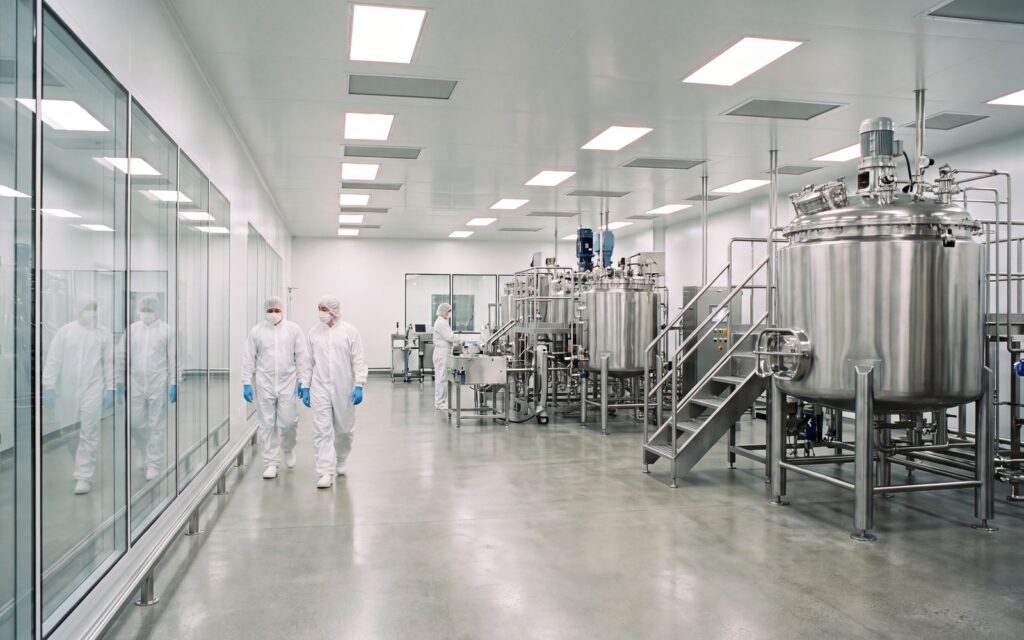
Turnkey Production Facilities
Turnkey production facilities not only represent the establishment of a physical facility but also entail the holistic implementation of a quality management system, regulatory compliance, validation, and a ready-to-audit structure. This approach particularly provides a sustainable and reliable production infrastructure by reducing investment risks in highly regulated sectors.
Turnkey production facilities are not just an investment in construction or equipment in today’s highly regulated industries; they signify a holistic quality management system, compliance with regulations, and a sustainable operational model. Especially in sectors such as pharmaceuticals, biotechnology, dietary supplements, medical devices, and cosmetics, the management of all processes from the design of the facilities to their commissioning in accordance with regulations has become a critical necessity.
At this point, the turnkey approach stands out as an important risk management tool for investors and senior executives. The project should not only create a physical production space but also involve the establishment of a GMP-compliant production facility, documentation infrastructure, validation processes, and a quality system ready for inspection.
Turnkey production facilities provide a professional solution model that minimizes time loss and regulation-related risks by bringing different disciplines under a single strategic roof.
The Sectoral Importance of Turnkey Production Facilities
Investment in production facilities in regulated sectors directly affects time to market and the sustainability of commercial success. Turnkey production facilities are, in this regard, not only an operational but also a strategic investment decision.
Requirements set by authorities such as EU-GMP, ISO 9001, ISO 22000, HACCP, the Ministry of Health, and the Ministry of Agriculture and Forestry must be considered at every stage, from facility design to personnel organization. Integrating these requirements from the very beginning of the project, instead of adding them later, significantly reduces both costs and audit risks.
The turnkey approach shifts regulatory compliance for industry players from being a concern to be “rectified later” to the center of the project.
Product and Sector-Based Turnkey Approaches
Turnkey production facilities include different quality and regulatory requirements based on product form and sector dynamics. Therefore, each project should be structured specifically for the sector rather than based on a standard template.
Solid Form Production Facilities
In facilities established for tablet, capsule, and powder products, cross-contamination control, cleaning validation, and environmental monitoring systems are prioritized. In turnkey projects, these requirements are addressed simultaneously with facility layout and quality documentation.
Liquid Form Production Facilities
Microbiological risks, water systems, and process hygiene are critical in liquid products. Therefore, in turnkey pharmaceutical production facility projects, the qualification of water systems and microbiological control strategies are designed as an integral part of the quality system.
Semisolid Form Production Facilities
Products such as creams, gels, and ointments contain specific quality requirements in terms of process control, homogeneity, and stability. The turnkey approach ensures that these requirements are managed in accordance with validation and inspection processes.
Quality Management System and Regulatory Compliance
The most distinctive feature of turnkey manufacturing plants is that they provide a strong Quality Management System (QMS) infrastructure beyond the physical facility setup.
Quality System Organization
The organizational structure of the quality unit, the definition of authorities and responsibilities, is planned from the very beginning in turnkey projects. This structure lays the foundation for sustainable compliance in audits.
Documentation Structure
- SOPs
- Instructions
- Record forms
- Risk analyses
The documentation system is created in accordance with GMP and ISO requirements and is made actively usable when the facility is commissioned.
GMP / GLP / ISO Requirements
Turnkey manufacturing plants are structured to comply not only with current regulations but also with future audit expectations. This approach enhances the long-term competitiveness of the facility.
Audit Processes
All necessary infrastructure for internal audits, authority audits, and customer audits is planned within the scope of the turnkey project.
Advantages of the Turnkey Approach
Turnkey manufacturing plants provide multi-dimensional advantages to investors and managers:
- Management of regulatory risks at the project's outset
- Reduction of time and cost losses
- A facility and quality system ready for audit
- Interdisciplinary coordination managed from a single center
- Shortening of time to market
These advantages make the turnkey approach a strategic necessity, especially in highly regulated sectors.
Qualification, Validation, and Audit Readiness
In turnkey manufacturing plants, qualification and validation processes are approached as a natural extension of the facility setup, not independently.
- DQ, IQ, OQ, and PQ processes
- Process validation
- Cleaning validation
- Computer system validation
These studies ensure that the facility is not only operational but also auditable and sustainable. Audit readiness is designed as an approach spread throughout the entire process, not as an activity conducted at the end of the project.
Sıkça Sorulan Sorular
What does a turnkey manufacturing facility mean?
A turnkey manufacturing facility is a model where the design, setup, quality system, validation, and audit readiness processes are managed as a single entity.
Is the quality management system delivered ready in turnkey projects?
Yes. In the turnkey approach, the quality management system is created to be actively usable when the facility is commissioned.
Why is setting up a GMP compliant manufacturing facility critical?
GMP compliance is a fundamental requirement for product safety, market access, and authority approvals. Lack of compliance poses serious commercial risks.
Are turnkey facilities ready for audits?
A well-structured turnkey project ensures that the facility is ready for both internal and official audits.
Does this approach increase investment costs?
Although it may be perceived as increasing costs in the short term, it significantly reduces revision, delay, and non-compliance costs in the long term.
Which sectors are suitable for turnkey manufacturing facilities?
They are suitable for all regulated sectors, particularly pharmaceuticals, biotechnology, medical devices, food, dietary supplements, and cosmetics.
Request a Quote for Your Project
Our expert team is ready to provide customized solutions for your needs.
Get in touchCatalog
You can review our catalogs for detailed information about our products and services.
Our Related Services
- FDA Inspection Consulting
- Human, Veterinary and Traditional Herbal Medicine Production
- Clean Room Setup
- Medical Products Medical Devices (Class I & II)
- HACCP Consulting
- Biocidal Product Production
- GMP Consulting
- Aromatherapy Production Facilities
- Cosmetic Production Facilities
- Nutritional Supplement Production
Related Guides
Guides on setup, costs and regulations
-
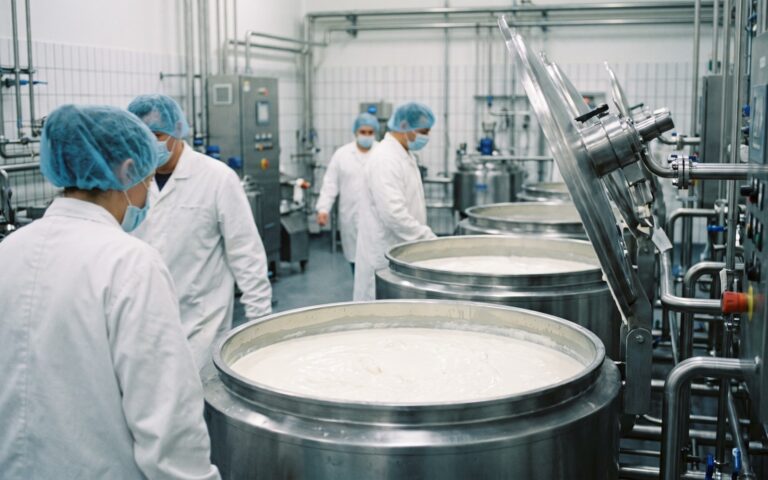 How to Establish Emulsion Production Facilities?
A detailed guide for establishing emulsion production facilities, ensuring quality management and regulatory compliance. The process, costs, and…
Read more
-
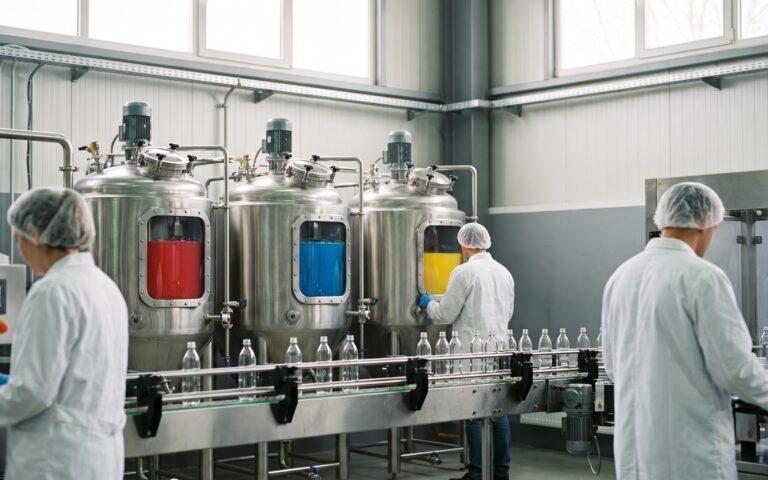 How to Set Up Food Coloring Production Facilities?
A detailed guide on the importance of quality management systems, process steps, costs, and common mistakes in setting…
Read more
-
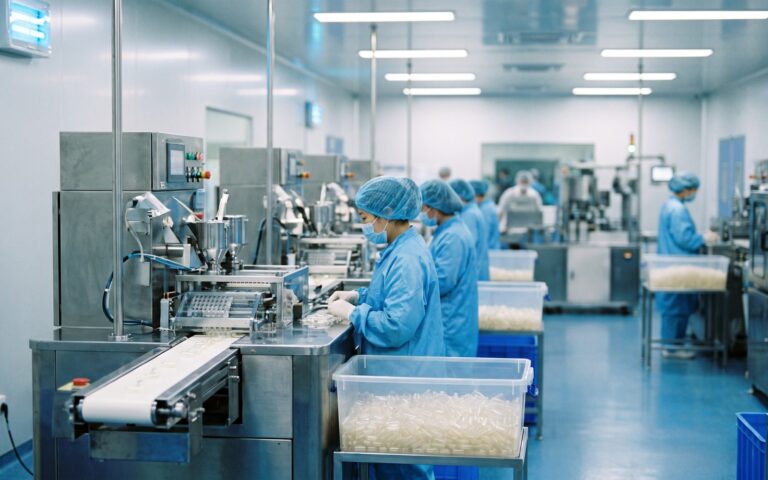 How to Set Up a Capsule Production Line?
A detailed guide on setting up a capsule production line. We focus on equipment selection, integration processes, GMP…
Read more
-
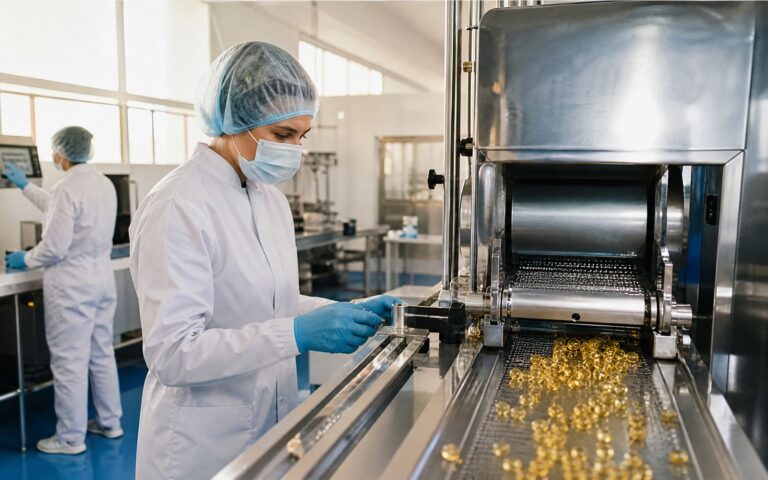 How to Set Up a Soft Gel Production Factory?
How to ensure process optimization and regulatory compliance in setting up a soft gel production factory? Here is…
Read more